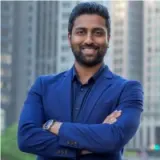
Andrew Ng works on AI education and software development, sharing practical views on AI skills, coding agents, and how AI is changing engineering teams. Ng's work also includes AI courses, a developer conference, and the open-source OpenWorker agent.
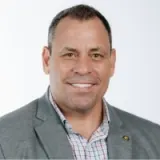
Kevin Nanns creates practical tech explainers and short videos about networking, cybersecurity, and IT careers, drawing on experience moving from teaching into networking.
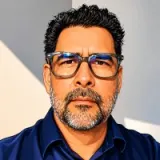
Mike Miller is a cybersecurity professional and founder who helps organizations improve security. Their LinkedIn posts cover cybersecurity culture, AI security, and faster vulnerability remediation.
Artificial IntelligenceCybersecurityAI security and data risk
David Meece is a cybersecurity researcher and educator who shares career resources and practical learning guidance, including material on GRC, information security, and red-team skills.
Jay Chaudhry is a cybersecurity business leader who speaks publicly about Zscaler’s Zero Trust approach and how organizations can secure AI adoption and AI agents.
Steven Wolfe Pereira writes about how companies can govern AI agents, including setting limits on what they can do, independently evaluating their systems, and managing security risks.
Robert M. Lee is a co-founder and CEO of Dragos, a company focused on cybersecurity for operational technology and industrial control systems that support critical infrastructure.
Jane Frankland works in cybersecurity, speaking and writing about security leadership, risk, access governance and AI accountability. Their work also includes mentoring and creating opportunities for people entering the industry.
Amit Sinha writes about cybersecurity and digital trust, with a focus on identity and access controls for AI agents and preparing enterprise cryptography for quantum risks. Sinha's posts discuss DigiCert products and initiatives in these areas.
Erel N. Margalit works with JVP and Margalit Startup City to connect Israeli and international technology companies. Margalit's posts highlight investment and partnerships in vertical AI—AI built for specific industries such as banking, insurance, cybersecurity, and healthcare.
Artificial IntelligenceCybersecurityVenture Capital
Neil McDonnell shares practical guidance for government contractors: tracking federal acquisition opportunities, explaining agency priorities, and showing firms how to prepare for work with agencies such as the Army, Air Force, Navy, and U.S. Transportation Command.
Boyd Clewis teaches people how to enter cybersecurity and build tech careers, drawing on experience solving security problems inside companies. His advice covers hands-on learning, nontechnical routes into security, and helping businesses meet security needs without blocking progress.
Patrick Garrity works in cybersecurity threat intelligence at VulnCheck, sharing evidence of vulnerability exploitation and practical guidance on exposure, patching, and detection. Garrity also discusses VulnCheck’s exploit research and community releases and takes part in security panels and podcasts.
Clint Gibler curates TL;DR Sec, a security newsletter featuring selected writing and projects across application security, cloud security, supply-chain security, blue-team defense, red teaming, and AI security.
Nancy Wang is a technology investor focused on cybersecurity and AI. Wang has led investment in security companies and founded Advancing Women in Tech, a nonprofit that offers practical career education.
Carl G. Fsadni writes about cybersecurity mergers and acquisitions, project management offices and hiring, and is the author of books including I.T. Spy Unleashed: How to Incorporate James Bond into Cybersecurity M&A and PMO PhD.
Shashi Bellamkonda writes about enterprise technology, with a focus on AI infrastructure, cybersecurity, and how organizations can govern AI agents. His posts translate product announcements and security findings into practical questions for IT and business leaders.
Kit Yu shares financial-market research and analysis on LinkedIn, covering private-market lending, AI infrastructure and cybersecurity, and Asian markets and energy.
Lee Odess writes and speaks about physical security technology, access control, industry acquisitions, and the convergence of physical security with cybersecurity. Their work includes LinkedIn analysis and podcast and industry-community content.
CybersecurityB2B MarketingMergers and acquisitions
Jeff Willinger works with organizations on Microsoft technology at Heartland Business Systems (HBS), focusing on Microsoft 365, Copilot and AI, security, Power Platform, and other Microsoft business tools. Their work includes helping businesses plan AI governance and adoption.
Sam Curry discusses cybersecurity, workload identity, and the security and leadership challenges raised by agentic AI. Sam shares these ideas through professional posts, interviews, and conference talks.
Jeff Williams writes about application security, including runtime protection for software and APIs, vulnerability response, and how AI may change secure software development.
Artificial IntelligenceCybersecurityAI security and data risk
Derek Harp works in industrial cybersecurity education and events, sharing training and expert discussions about securing operational technology (OT) and industrial control systems (ICS).
Anand Thangaraju writes about cybersecurity leadership and how security companies can sell to CISO buyers. Thangaraju also hosts CISO Strategy Salon events, bringing security leaders together to discuss practical challenges.
Roy Zur is a cybersecurity and fraud-prevention entrepreneur building AI tools at Charm Security to help teams detect and respond to scams and social engineering.
Mariana Dahan writes about digital identity, privacy, cybersecurity, and the governance of financial and AI systems, with a focus on limiting data exposure and deciding who controls personal information.
Andrea Licciardi writes about industrial cybersecurity, including securing operational technology and using AI in industrial environments. The posts also emphasize practical risk decisions and the people who respond to cyber incidents.
Artificial IntelligenceCybersecurityAI security and data risk
Jay Bavisi works in cybersecurity education and workforce development at EC-Council. Their LinkedIn posts discuss AI governance, cybersecurity training, and offensive security, and they host conversations for the EC-Council Cybersecurity Podcast.
Bill Staples is GitLab’s CEO. The LinkedIn posts discuss how AI is changing software development and how companies can secure, govern, and reliably deliver software built with AI agents.
Omar Ahmed writes about cybersecurity incidents, vulnerabilities, and threat intelligence on LinkedIn, explaining what the technical details mean for security teams and what they can do next.
Paul D'Souza works with business owners and industrial companies on improving operations, sales and revenue, and preparing businesses to run with less dependence on their owners. His posts focus on applying AI, digital twins, and Lean Six Sigma to those challenges.
Antonio Ieranò writes about cybersecurity, data protection and digital governance, with a focus on helping organizations assess EU rules and apply them to technology, vendors and workplace practices.
Vas Georgiou founded Heilsa, a specialist headhunting firm focused on law, cybersecurity and technology, financial services, and healthcare hiring across the US, UK, and EU.
Val Tsanev works on cybersecurity go-to-market strategy, connecting cybersecurity founders with enterprise CISOs. Tsanev also hosts the Execweb Cybersecurity GTM Podcast, where they discuss enterprise sales and security priorities with cybersecurity founders.
Thomas McClendon writes about practical cybersecurity for business owners, including the questions owners should ask, preparation for cyberattacks, and recovery when technology fails. McClendon is the author of 7 Cybersecurity Questions Every Business Owner Should Ask.
Mohamed Mousa writes about cybersecurity, with a focus on securing autonomous AI agents through stronger identity controls, limited permissions, monitoring, and governance.
Michael McLaughlin is a cybersecurity attorney who writes and speaks about the legal and national-security consequences of cyber policy. Their work connects practical issues such as defense contractor compliance and incident reporting with broader questions about AI security and data supply chains.
Artificial IntelligenceCybersecurityDefense industrial base
Beverley Eve shares LinkedIn commentary on enterprise AI, focusing on adoption, trusted data, governance, cybersecurity and how AI changes work. Their posts include event coverage and discussion of business research and technology resources.
Rory Canavan writes about IT asset management (ITAM), software licensing and vendor audits, and the role of asset data in managing security and AI risks. Their LinkedIn posts also promote ITAM resources and consulting services.
Omri Weinberg writes about cybersecurity, with a focus on protecting company data and securing AI. Their posts also discuss DoControl’s work, team, and hiring.
Artificial IntelligenceCybersecurityAI security and data risk
Shawn Edwards works on cybersecurity for communications infrastructure at Zayo Group and serves on the board of the Communications Cybersecurity Information Sharing and Analysis Center (C2 ISAC).
Tori Adams writes about federal AI adoption, with a focus on cybersecurity, agent authority, governance, and testing autonomous systems. Adams's LinkedIn posts also cover digital product passports and supply-chain traceability.
Ajay G. writes about cybersecurity for small and mid-sized businesses, especially endpoint security, compliance, and protecting company data when AI agents use business tools. Ajay's posts also describe building security products at Kitecyber.
Lisa Ryan hosts The Manufacturers Network Podcast and shares practical ideas for manufacturing leaders on workforce development, employee retention, workplace culture, and adopting technology while keeping human judgment in the process.
Zack Tembi teaches enterprise AI strategy and shares CIOsurge interviews and leadership stories about technology, cybersecurity, and digital transformation.
Camille Stewart Gloster writes and speaks about cybersecurity, AI governance, and digital resilience. Their work focuses on how organizations can set boundaries and accountability as AI systems take on more responsibility, while keeping people involved in important decisions. They are the author of The Insider You Built and have shared practical digital-fluency resources for workers, leaders, caregivers, and educators.
Ahmed Sallam is a cybersecurity engineer and founder of DEEPSAFE Technology. Their work focuses on security across computer systems, including Windows kernel security and using AI in cybersecurity and software development.
Chander D. writes and advises on enterprise AI, with a focus on security, governance, and moving AI projects from pilots into production. The posts discuss practical controls for AI systems, including authentication, human review, testing, and operational readiness.
Brandon Monson is a T-Mobile client success manager who supports large retail accounts, with a focus on customer relationships, connectivity, and retail technology.
Alexander Oddo shares practical cybersecurity awareness content, explaining phishing and fraud tactics, human risk, and the security challenges raised by AI.
Athul Jayaram works in cybersecurity and engineering, with a focus on vulnerability research and secure-by-design practices. His posts describe vulnerability disclosure and argue that products should make secure choices easier by default.
Patrícia Souza is a digital-skills and cybersecurity advocate focused on expanding women’s participation in technology. She identifies herself as President of Women4Cyber Luxembourg and founder of GeekGirls ASBL, and describes work on AI skills and women’s pathways into digital careers.
Bohdan Savchuk works in software quality and testing, with a focus on how products behave for real users. His posts also explore security testing for IoT devices and evaluating AI agents on real business tasks.
Carmen Sederino is a public-speaking strategist and the host of Beyond the Keynote, where she discusses keynote craft, audience engagement, and leadership issues such as AI safety.
Aysha Khan works in AI, cybersecurity, and technology leadership, and writes about how leaders can make clearer decisions. Khan also writes books, including What the River Knows, and shares buyer-side perspectives on enterprise technology sales through The Buyer’s Seat.
Tomislav Vazdar writes and comments on cybersecurity, AI security, and digital regulation, connecting technical risks such as software and AI supply-chain attacks to practical questions of resilience and governance. Vazdar's posts also discuss Croatian and EU policy, and describe appearances on Croatian television news.
Yvonne Pilon works with WEtech Alliance on regional innovation programs, including connecting university research with commercialization opportunities and helping startups access cybersecurity expertise and talent.
Jim Manico writes about application security and how AI is changing cybersecurity work, including vulnerability research, software testing, and fixing security issues.
Lindsay Timcke writes about risk management, AI governance, cybersecurity, internal audit, and third-party risk. The posts reviewed focus on practical ways to assess AI agents, test connected controls, and understand risks in technology and vendor supply chains.
Mark Gibson writes about helping B2B and cybersecurity businesses explain why customers buy, build stronger go-to-market plans, and equip channel partners to sell around buyers’ business problems.
Dr. Wayne Pernell hosts the One Sharp Sword podcast, where he discusses leadership, business growth, and technology with guests. He also shares reflections on purpose and personal growth through Wednesdays with Wayne.
Vivek Bharathi Muruganandam hosts The AI People, a talk show featuring conversations with AI and security leaders, and co-hosts discussions on AI trust and governance. Their posts also describe their work as a principal product manager in the technology industry.
Scott Wright hosts discussions for cybersecurity professionals and publishes Human Cyber Security Insights, covering security awareness, human risk, and practical cybersecurity issues. Wright's posts also discuss professional networking and digital legacy planning.
Artificial IntelligenceCybersecurityAI security and data risk
Toby Van de Grift writes about software supply chain security, cybersecurity threats, and supplier risk, with a focus on how organizations can manage risks across their software and vendor networks.
Arnaud Clément writes about payments, digital identity, AI and cybersecurity, with a focus on what these changes mean for banks and financial services in Luxembourg and Europe.
Artificial IntelligenceCybersecurityAI adoption and change management
Lane Cooper covers enterprise technology for BizTechReports, sharing executive interviews and reporting on topics such as enterprise AI, cybersecurity, healthcare technology, and workforce changes. Cooper also emcees CIO events, including the CIO 100 Leadership Live series.
Fernando Oliveira is Semperis’s Area Vice President for Latin America. Oliveira leads regional growth and partner development for the company’s identity-security work, including protection for Active Directory and Entra ID environments.
Darron Makrokanis shares and promotes work on defense cybersecurity, especially CMMC compliance and supply-chain readiness for defense contractors and their suppliers.
Dr. Mack Jackson Jr. is a cybersecurity strategic advisor who shares practical guidance on phishing prevention, cyber decoys, AI risk governance, insider risk, and security basics for organizations.
Michael Tanenhaus writes about helping managed service providers handle complex IT and security work, close operational gaps, and deliver advanced services through white-label engineering partnerships.
Michele Vincenti is a faculty member at University Canada West who writes and presents on AI ethics, leadership, and human accountability in high-stakes decisions. Their work argues that AI can inform decisions, but people must retain responsibility for them.
Steve Vintz shares leadership updates and analysis on cybersecurity, focusing on how AI changes security risks and why organizations need to find and reduce exposure beyond simply patching known vulnerabilities.
Dylan Watkins creates and hosts content about n8n, AI, and workflow automation. Their posts highlight practical builds and interviews with people applying automation to areas including cybersecurity, voice agents, and enterprise AI adoption.
Dr Khalid A. writes about cybersecurity, AI and electronic warfare, including how digital threats and disruptions affect critical infrastructure and global connectivity.
Rob Harrison works at Sophos, where Harrison discusses the company’s cybersecurity products and strategy, including AI-assisted defense, managed detection and response, and security planning for organizations.
Artificial IntelligenceCybersecurityCISOs and security leaders
Roger Collins writes about helping managed service providers grow, improve customer relationships, and develop services in areas such as cybersecurity and AI.
Anuj Goel writes about cybersecurity, threat intelligence, and using AI to help security teams turn threat information into practical defensive action.
Dr Geanie Asante creates practical AI education for business leaders and professionals. Asante's work includes AI Insights, prompts and tool guides, and training on AI agents, automation, and AI-powered apps.
Steve Hunt coaches CISOs and security leaders on building executive credibility, winning budget, and framing cybersecurity in business terms. Hunt also advises security vendors on selling security products through measurable business value.
Ronen Slavin writes about application security, software supply-chain risks, and securing AI-assisted software development. Their posts connect emerging threats—such as AI-driven vulnerability discovery and attacks on build pipelines—to practical priorities for security teams, including remediation, governance, and runtime protection.
Natalie Benamou hosts conversations about AI, leadership, cybersecurity and business change, including the Women Leaders on the Move podcast and NEXT2LEAD AI programming for women leaders.
Carl Patten II shares work on youth cybersecurity education and workforce pathways in Atlanta, including hands-on camps built with Boys & Girls Clubs of Metro Atlanta and Georgia State University.
Fareha Ali is a computer science student and technology builder working on AI and automation ventures, including Somar360, an assistive-technology project for deaf and hard-of-hearing people, and Kaliber Freight. Ali's posts connect AI systems work with firsthand experience in freight and logistics.
Glynis E. Devine works with IT and cybersecurity organizations to develop women leaders, including through leadership programs and work focused on sustainable performance and retention.
Michael Brooks is a cybersecurity professional whose work focuses on assessing whether security controls protect sensitive information, including in defense-related organizations.
Emma Mallett speaks and writes about cybersecurity workforce education and collaboration between industry and academia. Mallett's work includes advocating for cyber skills in education and apprenticeships, and helping businesses understand cybersecurity through digital marketing.
Artificial IntelligenceCybersecurityResponsible AI
Waseem Samaan works in internal audit and risk, with experience building audit, SOX, governance, and risk functions for high-growth SaaS and fintech companies. Posts focus on how organizations can manage emerging risks such as AI, cybersecurity, payments, and regulatory change.
Matt Houldsworth writes about RFID and retail technology, reports on industry developments as editor at RFID News, and runs Voittaa Ltd. Their posts examine how RFID systems work in retail and other settings, and how businesses can manage the security and long-term upkeep of technology such as self-checkouts.
Andy James is CEO of C360RED, where they focus on organisation-specific red-team security testing. Their LinkedIn posts also discuss cloud resilience and responsible AI adoption.
Daniel Kendzior works on cybersecurity at Accenture, with a focus on using AI to strengthen cyber defenses. Their work includes writing about cyber resilience, AI risk monitoring and security transformation, and sharing practical examples of AI in security operations.
Tom Gell writes about practical cybersecurity and compliance, including ISO 27001, security risk, and the everyday business choices that help companies protect themselves and earn buyers’ confidence.
Artificial IntelligenceCybersecurityAI security and data risk
Nick Sullivan works in cybersecurity, focusing on post-quantum cryptography and helping organizations think through its adoption. He also advises and consults with founders and companies on security and privacy technology.
Michelle Woodward Hodges writes about cybersecurity and partner-channel leadership, including practical ways managed service providers can address identity security, AI governance, and customer resilience.
Rusty Carter is an enterprise SaaS and cybersecurity product leader who writes about product strategy, mentoring, and connecting AI development to business outcomes.
Charles Migabo is a product management professional whose work spans digital products in security, fintech and telecommunications. Their posts focus on building security, identity and compliance into product strategy, alongside agile product management.
Eduard Meelhuysen shares practical commentary on NIS2 cybersecurity compliance, focusing on whether organizations are in scope, how to choose risk-based security measures, and how to manage supplier risks.
Dan Haagman works on cybersecurity resilience, bringing together CISO experience, industry practice, and academic research. Haagman is a Research Fellow at the University of Warwick and contributes to the CISO Global Study.
Keith Dunnell leads global go-to-market work for ServiceNow’s manufacturing industry. Dunnell’s posts focus on connecting manufacturing operations, technology, security, and transformation work to business outcomes.
Nataly Garcia is a law graduate pursuing a European master's in law, data and artificial intelligence. Their studies and writing focus on AI governance, digital law, data protection and cybersecurity, including how legal and policy frameworks can be put into practice.
Robert Cain writes about BEAD grant compliance and practical cybersecurity risk management. The posts explain how organizations can document procurement and grant requirements, and how smaller companies can assess security and communicate gaps to leadership.
John Campbell is a healthcare technology leader who writes about cybersecurity, AI governance, patient safety, and digital health from a healthcare CIO perspective.
Rick Catron works at GRIT Technologies, where Catron discusses managed IT, cybersecurity, and technology strategy for businesses. Catron's posts emphasize understanding a company’s needs before recommending solutions, clear ownership of IT and security, and responsible use of AI.
Artificial IntelligenceCybersecurityResponsible AI
Justin Foster writes about cybersecurity, AI, cloud technology, and security operations. Foster's posts explain how security teams can use data and AI to investigate threats, prioritize action, and manage costs.
Robert Horne shares practical commentary on cybersecurity, including network defense, cloud and Kubernetes threats, security operations, and the risks of AI systems.
Juan Pablo Delgado shares commentary on business and technology trends, including generative AI for small businesses, AI adoption in Brazil, cybersecurity spending, and how companies make decisions.
Artificial IntelligenceCybersecurityAI adoption and change management
Ramkumar Sundarakalatharan writes about AI security, application security, and continuous compliance. In Sundarakalatharan's posts, they describe building TraceAI at Zerberus.ai and argue for evidence-based compliance and security controls that limit what AI agents can do.
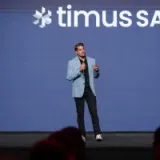
David Nankervis is a cybersecurity sales and channel leader focused on helping technology companies grow through managed service providers (MSPs). His posts cover sales pipeline planning, building relationships in the MSP community, and the Timus SASE platform within CyberFOX.
Sandra Carielli shares cybersecurity research at Forrester, including work on post-quantum security, data breaches and privacy, and questions security leaders can ask technology vendors.
Dario Salice is a co-host of The Inverted Podcast, where Salice discusses cybersecurity, digital identity, and technology with guests. Salice's posts highlight episodes on securing AI agents, updating cybersecurity advice, and applying the Business Model Canvas to security and AI-driven product development.
Josh Rosenberg creates business-focused content about using AI in marketing and operations, including practical applications and risks. They also host the Smart AI Podcast, where they discuss how businesses can apply AI.
Steve S. makes short videos about cybersecurity, with a focus on security culture, human risk, leadership, and real-world security failures in healthcare.
Z Ali Kazmi creates practical content on cybersecurity, data privacy, and GDPR compliance, including how organizations can build privacy into systems, respond to data breaches, and manage security risks from AI tools.
Artificial IntelligenceCybersecurityAI security and data risk
Eric Eskey writes about startup growth, AI and software businesses, and building Arizona’s innovation ecosystem. Eskey’s posts draw practical lessons from founder and industry conversations, including how to test ideas with customers, find durable markets, and scale companies.
Rani Tiwari advises businesses on AI adoption, technology modernization, and growth. Their posts focus on practical choices for private equity and enterprise teams, including measuring AI by business results, managing security and governance risks, and reducing reliance on a few people for sales and client relationships.
Lucas Hathaway shares practical guidance on AI governance and cybersecurity for financial institutions, including credit unions. His posts focus on assessing AI vendors, finding AI tools already embedded in products, and putting controls such as data-loss prevention and human review into practice.
Vanessa Aradia writes and speaks about bookkeeping, payroll, professional education and how finance professionals can work with AI. Their posts discuss skills development, qualifications, assessment, cybersecurity and ongoing professional learning through ICB UK.
Shiraz Nazeer writes about enterprise transformation and the challenges of putting AI to work, from managing organisational change to turning AI product ideas into secure, scalable services. The posts describe work with the Fifth9 team.
Carol Griffin writes about enterprise technology leadership, infrastructure programs, and the governance and security challenges of AI and identity systems.
Huzaifah S. shares cybersecurity work on LinkedIn, including testing web-application vulnerabilities, responsible disclosure, and learning about malware analysis and API hooking.
Brian Scott shares cybersecurity guidance for nonprofits, associations, and small businesses through 501CISO. Scott's work includes practical security advice, webinars, and the CyberRisk-365 newsletter.
Harjot Bambra shares practical advice on enterprise AI implementation and cybersecurity, including identity and access controls, AI-vendor resilience, and defenses against AI-enabled payment fraud.
Charles J. French writes about protecting organizations from phone-based cyber threats, including vishing, voice impersonation and unwanted calls. Their posts connect voice security to healthcare operations and patient safety, and discuss Mutare’s work in this area.
Phill Keaney-Bolland works on branding and marketing for cybersecurity companies, helping them explain what sets them apart and stand out in a crowded market. Keaney-Bolland's posts describe using Blue Ocean Strategy to shape that brand story and highlight clear storytelling and design in startup presentations.
Gaetan Gesret shares cybersecurity analysis and discusses how organizations can manage cyber exposure, vulnerabilities, and risk. Their posts cover Armis threat research and a ServiceNow cybersecurity workshop they moderated.
Travis Bittecuffer writes about technology leadership, cybersecurity, and connecting technology decisions with business goals and the people who rely on them.
Alok Kumar Singh writes about product management and AI, with a focus on finding customer problems, building and reviewing products, and turning AI capabilities into useful business outcomes.
Francesca Giannoni-Crystal writes and presents on space law, including legal responsibility for cyber operations involving satellites and governance of lunar development and resources.
Motti Sorani is a cybersecurity entrepreneur focused on application security, software supply-chain risks, and helping teams fix vulnerabilities—not just detect them.
Christopher Reid helps business owners and teams put AI to work in everyday business tasks. His LinkedIn posts explain practical uses and risks of tools such as Claude and ChatGPT, and he offers hands-on workshops built around teams’ own workflows and documents.
Fern Rojas is a cybersecurity podcast host who discusses security leadership, AI-driven cybersecurity, and the people and pressures behind security work.
Makarand Karanjalkar writes about cybersecurity, with a focus on threat intelligence and understanding attacker behaviour. Karanjalkar's posts explore how behavioural intelligence can complement tools such as MITRE ATT&CK and help defenders make sense of AI-enabled threats.
Artificial IntelligenceCybersecurityAI security and data risk
Scott Gardner writes about AI governance, safety and observability, with a focus on the security and oversight of agentic systems. His posts also describe designing an auditable, agent-assisted forensic investigation of an AI system.
Yoram Friedman writes and teaches about product management and enterprise AI, with a focus on how organizations should design, govern, and supervise AI agents.
Deborah McGinn is a B2B marketing leader and author of Crossing the Divide: How B2C Thinking Is Transforming the Future of B2B Marketing. She is Chief Marketing Officer at Secure Code Warrior.
Carl Owen shares and presents Edge of Intelligence, a show featuring conversations with business and technology leaders about AI, data, cybersecurity, growth, and digital transformation.
Dalibor Lukeš works on cybersecurity at Vodafone Business, contributing to security services and speaking about enterprise cyber risk, artificial intelligence, and resilience during crises.
Anthony Cacciatore works in industrial automation and robotics, helping manufacturers make automation decisions that can be supported and scaled. Cacciatore's LinkedIn posts discuss practical applications such as automated quality inspection, robot cybersecurity, and manufacturing modernization.
Marcel Gradidge is an operator and go-to-market leader whose work covers enterprise networking and cybersecurity, revenue growth, and sales and partnership leadership.
Derek Boxdell shares practical perspectives on cybersecurity, including protecting manufacturing operations, responding to AI-driven threats, and using breach data to guide security decisions.
Artificial IntelligenceCybersecurityManufacturing and industrial leaders
Ian Ure writes about programme control and delivery, focusing on how leaders can spot operational problems early, test progress against evidence, and act before delays, rework or lost value grow. Ian Ure also comments on cybersecurity, artificial intelligence and digital transformation.
Michael Abtar shares practical educational posts about data privacy, regulatory compliance and cybersecurity, including cross-border data transfers and risks facing financial and pharmaceutical organizations.
David Moufarrege writes about cybersecurity, healthcare technology, privacy, and responsible AI adoption, drawing on experience as a healthcare CIO and privacy officer.
Michele Cerreta shares work on cybersecurity research, including automated penetration testing, vulnerability disclosure, AI and cyber threats, and blockchain-based criminal investigations.
Artificial IntelligenceCybersecurityAI security and data risk
Mark Brown writes about applying behavioural science to cybersecurity, using real security incidents to explain why people and workplace processes create risk—and how organisations can design better safeguards.
William Bohler researches the human side of cybersecurity, including how mindfulness and motivation relate to burnout and turnover among cybersecurity professionals. Bohler also promotes a LinkedIn community connecting practitioners with academic research on workforce issues.
Barbara Booth reports for CNBC on cybersecurity, data privacy, and related technology risks, including data brokers, ransomware, online age verification, and election interference.
Raymond Akpan shares practical cybersecurity guidance and career education, including advice on multi-factor authentication, browser-extension risks and phishing. Akpan has also hosted a webinar on cybersecurity career paths and job-ready skills.
Andy Elizaire is a cybersecurity professional who discusses AI in security operations, ransomware readiness, and how organizations can connect cybersecurity decisions to business priorities.
Yasamin Fatemian shares practical perspectives on cybersecurity, risk management, and the ServiceNow ecosystem, drawing on experience in cybersecurity consulting and enterprise sales. Their posts focus on helping organizations clarify business risks, strengthen security fundamentals, and use AI to help security teams prioritize decisions.
Ricardo Camacho shares technical guidance on cybersecurity for automotive and embedded software, including security testing, secure development, and compliance.
Michael Dvorscak shares practical guidance on using AI to improve business processes, with an emphasis on data security and governance. Dvorscak's posts cover small-business workflows, Microsoft Copilot, process improvement, and cybersecurity.
Robert Bimm writes about how enterprises can use AI responsibly, with a focus on governance, data security, and the controls needed for AI agents. He also discusses quantum computing and its potential role in business decision-making.
Serena Montefusco shares research and practical approaches to cybersecurity education in Italian higher education and public institutions. Montefusco's posts highlight work on the Cyber Sapere initiative, including gamified training, digital skills, and building a stronger culture of cybersecurity.
Nir Sofer is Chief Information Security Officer at SysAid, where the work includes securing AI-powered IT service management. Sofer’s posts focus on cybersecurity, identity, shadow IT, software visibility, and connecting security priorities with business goals.
Ellette K. is a marketing leader whose work connects marketing with cybersecurity incident response, communication planning, and legal issues. Their posts draw on their graduate legal studies and explain why marketing should be involved in preparing for and communicating about security incidents.
Harold Mansfield builds and tests practical AI and automation solutions, helping small businesses use the tools while considering their costs, security, and operational risks.
Larry Karatsoreos shares practical LinkedIn content for managed service providers and IT teams about network monitoring, infrastructure choices, cybersecurity, and Microsoft 365 licensing.
Pascal Zaugg shares cybersecurity guidance for Swiss small and midsize businesses, covering risks such as social engineering, ransomware, supply-chain attacks and unsafe use of AI tools. The posts also describe cybersecurity consulting and offer an initial assessment.
Dan Arias is a software engineer focused on security, privacy, and digital identity. Their writing explores how to secure AI systems and why experienced engineering judgment matters when using AI to build software.
Artificial IntelligenceCybersecurityAI security and data risk
Fritz Abelard is a Technical Success Manager at Snyk who works with enterprise customers on developer security. Their posts focus on applying DevSecOps to AI-assisted software development and emerging security risks.
Pamela Feld develops and delivers training on practical AI use, responsible AI, and cybersecurity policy. Feld's work includes training business teams on AI workflows and ethics, and a DEF CON course on cybersecurity and AI policy basics. Feld describes herself as a certified AI ethics specialist and offers AI training, policy development, and AI agent development.
Paola Masman leads Masman Media, a marketing and communications agency whose work includes helping manufacturers, workforce and education programs, and economic development organizations explain their work and attract people to high-tech careers.
Peter Rodenhauser writes about cybersecurity and technology strategy for business leaders, including how to prioritize AI investment and prepare organizations for cyber incidents.
Vinod Sreedharan writes about AI security and governance, arguing that risk often lies in the systems around a model—such as data handoffs, inference endpoints, testing, and oversight. Their posts also address geopolitical risk and business supply chains.
Adrienne Benton hosts the Transformation Station Leadership Podcast, where conversations with guests explore leadership, resilience, purpose, and leading through pressure and change.
James Meeker writes about cybersecurity and networking, connecting technical and policy developments—such as router supply-chain security and AI security—to their wider business and national-security implications.
Chris Matan is a business owner working in precision CNC machining and commercial real estate. Matan also produces The Real Estate Machine Show, covering the overlap between manufacturing, business operations, and real estate.
Artificial IntelligenceCybersecurityCommercial real estate
Michael Weller writes about manufacturing technology, including private wireless, 5G, AI, cybersecurity, and the people and processes involved in modernizing factories.
Matt Canaday builds AI phone agents, business automations, and software systems through SkyRingAI, and writes about applied AI, robotics, chips, and cybersecurity.
David Shultz develops cybersecurity awareness campaigns at Sans Serif, using marketing and creative strategy to encourage behavior change rather than relying on off-the-shelf training modules.
William Stephens shares work on technology training for U.S. diplomacy, including cybersecurity education, zero-trust security and AI. The posts also highlight the Foreign Service Institute’s School of Applied Information Technology and technology careers in the Foreign Service.
Artificial IntelligenceCybersecurityAI security and data risk
Ritoban Mukherjee is a journalist who writes about cybersecurity, AI, and B2B technology. Their work includes practical security explainers and reporting that connects technical issues to business and public-interest questions.
Afzal Rehman shares cybersecurity content about database security, privileged access, and protecting data, applications, cloud systems, and identities. Their posts also promote security services offered under the Trustroid name.
David Daily shares practical commentary on cybersecurity, including open-source software supply-chain threats, AI’s role in defense and attacks, and security patching.
Sandra Roberts writes about enterprise cybersecurity, including how CISOs can connect security decisions to business priorities, prepare for emerging risks, and strengthen incident response and resilience.
Thom Probus writes about coordinating offshore delivery teams and the effects of AI on professional services, organizational decision-making, and security.
Joe Decker writes about cybersecurity, with a focus on exposure management, proactive security, and using context to prioritize risk. His posts discuss asset visibility, vulnerabilities, threat intelligence, and the role and limits of AI in security decisions.
Artificial IntelligenceCybersecurityAI security and data risk
Bharat Sharma is a technology leader who writes about practical uses of AI in cybersecurity and business operations. Sharma also says they are building A1 Logix, exploring AI for logistics, including route planning and delivery visibility.
Maureen O'Donnell is a B2B writer who turns complex technical and business topics into customer case studies, executive guides, and strategic long-form content. Their work focuses on the change a customer made and why it mattered, with technology supporting the story rather than taking it over.
Sonali Chowdhury Roy writes about cybersecurity and the privacy and governance risks of artificial intelligence, using practical examples such as face-upload tools, AI security claims, and changing online behavior.
Faisal Md shares practical software-engineering lessons on using AI coding tools with human oversight, choosing system architectures that fit a team's size, and reducing security risks in backend systems.
Kareem Adebisi shares practical cybersecurity advice for businesses, drawing on examples of phishing, password reuse, unsafe Wi-Fi, malicious USB drives, and outdated software. The posts also describe Forward Velocity’s work building secure software and helping teams stay protected.
James Rounsville writes about enterprise cybersecurity and network infrastructure. Rounsville's posts explain traffic lifetime containment and propagation control as ways to limit how far network traffic can travel and reduce the spread of an attack.
Phillip Shoemaker writes about cybersecurity, digital identity, and how to make AI systems safer and more accountable. Shoemaker is the author of Unbreakable: Secure Your Digital Life in a World Built to Breach You.
Demetri Panici writes about how AI is changing businesses, technology markets, and enterprise work. Panici's LinkedIn posts explain developments such as AI agents in shopping and supply chains, enterprise adoption, and the economics of AI infrastructure.
Alex Jones works with FastForward on revenue operations and go-to-market systems for B2B companies, including automation for lead qualification and sales workflows.
Nikki Festa O'Brien is a communications professional who helps technology companies explain complex developments in healthcare, cybersecurity, energy, and manufacturing through media coverage and thought leadership.
Swati Gupta writes about cybersecurity for small businesses and everyday users, explaining threats such as phishing, identity fraud, ransomware, and AI-enabled scams through practical examples and advice.
Violetta Madej shares practical guidance for small businesses on cybersecurity, AI governance, technology risk, and improving business systems and workflows.
Nick Vyas is a supply-chain educator and commentator who explains how trade policy, geopolitics, technology, and infrastructure shape global supply chains. Their work includes leading supply-chain education and events at USC, hosting Supply Chain Demystified, and discussing industry issues with practitioners.
Lucienne Lacle works on B2B marketing on LinkedIn, helping companies use founder-led content and employee branding to build trust and reach potential buyers. Their posts also draw on their experience in product management and fintech, and they share advice on career development and turning skills into services.
Jeff Beacham hosts Insights4Mfg, a podcast featuring conversations about UK manufacturing, technology, and the challenges facing manufacturers. Topics in the reviewed episodes include robotics, cybersecurity, collaboration, and business growth.
Carlton Brailey shares practical cybersecurity advice for businesses, including small and midsize companies. Brailey's posts explain threats such as malware, password-manager attacks, and fake CAPTCHA scams, then outline steps teams can take to reduce risk.
Cole Grolmus analyzes cybersecurity companies, comparing their financial performance, products, and competitive strategies. Their posts explain topics such as security-company revenue, platform expansion, and the challenges facing companies like Zscaler and SentinelOne.
Artificial IntelligenceCybersecurityAI security and data risk
Patrick Keating shares cybersecurity advice for business leaders, with a focus on board-level cyber risk, security governance, and practical protection for small businesses and financial institutions. The posts connect technical threats—such as email fraud and ransomware—to business risks including financial loss, operational disruption, and customer trust.
Pete Cordero creates cybersecurity leadership education for executives, with a focus on helping leaders question their CISOs about cyber threats, preparedness, and governance. His 2025 program update covers topics including nation-state threats, ransomware, and security frameworks.
Mickey Davis works in cybersecurity, with a focus on CMMC readiness, business partnerships, and helping organizations take practical steps to reduce risk. Davis also writes and reads a children’s book about growing up across cultures.
Dale Gibler writes about cybersecurity and technology, including AI security and election infrastructure. Their LinkedIn posts also cover lead-generation automation and healthcare marketing.
Thomas Ward is an IT and cybersecurity leader who advises organizations on technology strategy, risk, and compliance, including CMMC and NIST 800-171. Ward's work also includes AI governance and nonprofit leadership.
Charlie Mohn is a B2B growth marketer who writes about marketing strategy and shares demand-generation work at Asimily, a healthcare cybersecurity company.
Gilberto Tejeda writes about cybersecurity and enterprise architecture, including supply-chain risk, cloud security, and securing AI systems such as MCP. His posts focus on practical security controls and the business trade-offs behind architecture decisions.
Saket Mohan works on cybersecurity for connected and software-defined vehicles, including vehicle intrusion detection, secure software updates, and cyber-risk management.
Theresa Mazzuco runs Your Business Blueprint, where they help business owners plan and improve their businesses. Their advice draws on experience in cybersecurity and supporting managed service providers, as well as a varied career across other industries.
Daniella Pontes writes about quantum computing and cybersecurity, including how quantum technologies may move from research into industrial use. Their posts also cover AI security and DevSecOps, and they publish the Intriguing Quantum newsletter.
Nash Fayyad writes on LinkedIn about commercial electric vehicles, fleet charging and the shift to electric transport, often drawing on industry news and events.
Kyser Clark is a cybersecurity professional and creator of The Hacker’s Cache, where Clark discusses cybersecurity careers, certifications, hands-on skills, and lessons from Clark's own career.
Rebecca Murtagh writes about cybersecurity and privacy, focusing on the risks AI systems, data breaches, and digital identity can pose to organizations and individuals.
Keith Mayfield writes about cybersecurity and federal-market requirements, especially FedRAMP and CMMC. The posts explain how cloud providers and defense contractors can prepare for those requirements and compete for government business.
Jonathan Baker works on cybersecurity, focusing on threat-informed defense and continuous threat exposure management (CTEM). Baker's LinkedIn posts describe speaking and workshops on applying these approaches to prioritize exposures and improve security operations.
Artificial IntelligenceCybersecurityAI security and data risk
Mike Takahashi writes about cybersecurity, with a focus on how attackers exploit AI tools and agents. Takahashi's LinkedIn posts explain security incidents as step-by-step breakdowns, including attacks that disrupt AI malware analysis and agent swarms that misuse websites.
Joshua Lewis shares practical LinkedIn advice on business IT, cybersecurity, backups, software updates, and keeping technology reliable as a business grows. Lewis's posts also recommend The Dollar IT Club for businesses seeking reliable technology and predictable costs.
Reilyn Garton shares practical cybersecurity analysis on threat detection, identity-based attacks, and exposure management, with an emphasis on connecting security operations to business risk.
Frank Policastro works in cybersecurity, focusing on cyber resilience, breach readiness, incident response, and risk solutions for businesses. Policastro’s posts discuss Pondurance’s managed detection and response services and partnerships, and coordination among security, legal, insurance, finance, communications, and leadership teams during a breach.
Charles H. Britt is a cybersecurity governance, risk, and compliance professional and a U.S. government civil servant. Britt shares guidance on federal hiring and public-service careers, cybersecurity risk management, and building the cyber workforce.
Kenia Acosta shares practical guidance on cybersecurity, especially identity and access management. Acosta's posts explain security concepts in everyday terms and emphasize account visibility, access controls, preparation, and managing risks such as unmanaged machine identities.
Jason Sproesser covers cybersecurity compliance for small businesses in the defense industrial base, explaining requirements such as NIST SP 800-171, DFARS and CMMC through commentary and show discussions.
Matthew Bagley shares practical guidance on managing technology for small and midsize businesses, including IT planning, ransomware recovery, and responsible AI use. The posts also connect technology planning with the EOS business framework.
Patti Degnan is Chief Information Security Officer at Glow, where Degnan says they are building security and IT as the company develops security products for AI use. Their LinkedIn posts also show them hosting Andreessen Horowitz cybersecurity events and supporting cybersecurity startups, including Socket.
Arun Menon is building LXMQ, a platform for connecting credit-card decisions such as card choice, rewards, repayment, fees, and credit health. His work also focuses on protecting sensitive financial data as AI systems use it.
Bill Sieglein works with CISOExecNet, which brings chief information security officers together with cybersecurity vendors in regional roundtables. His posts describe moderating discussions, gathering members’ views on issues such as AI governance and identity security, and encouraging vendors to listen before presenting.
Brian Fontanella shares practical guidance for small businesses on using AI and managing cybersecurity risks, including advice on Microsoft 365, AI tools, and managed IT.
Craig Adams is a product leader building AI software for insurance. As Chief Product Officer at Gradient AI, he focuses on tools that help insurers make decisions about risk, pricing and claims. His posts also draw on experience at Rapid7 and discuss cybersecurity, product strategy and leadership.
Fletus Poston III writes and speaks about cybersecurity, with a focus on securing AI systems, model supply chains, and the risks of relying on models and data organizations do not control.
James Berthoty writes about cybersecurity, with a focus on AI security, software supply chains, and protecting developers and their tools. His posts explain security tradeoffs and offer practical guidance for security teams.
Joseph P Jensen is the CIO at Nailor Industries. Jensen writes about cybersecurity and AI governance, shares examples of technology work at Nailor, and teaches cybersecurity and AI through hands-on activities.
Katie Soper shares perspectives on cybersecurity and hosts Cyber Confersations, a series of conversations with cybersecurity founders, executives and investors.
Kayla Elliott writes and shares practical commentary on cybersecurity, including breach reports, zero-trust security, and NSA guidance. Her posts also cover operational resilience and the service supply chain.
Supply ChainCybersecuritySupply-chain resilience and reshoring
Noopur Davis writes about cybersecurity, connected-home protection and responsible access to advanced AI. Their posts draw on Comcast cybersecurity work and explain how organizations can prepare for emerging risks.
Valerie Perlowitz works in cybersecurity and supports women building careers and businesses in deep technology. Her posts describe speaking about AI, Zero Trust and critical infrastructure, organizing the WiCyS Florida community, and starting WiDTH, a LinkedIn group for women who own or want to own deep-tech companies.
Vatsal Shah writes about preparing factory data for AI, including how manufacturers can make plant-floor systems understandable and secure enough to use.