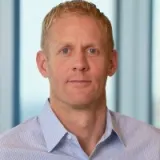
Craig Adams is a product leader building AI software for insurance. As Chief Product Officer at Gradient AI, he focuses on tools that help insurers make decisions about risk, pricing and claims. His posts also draw on experience at Rapid7 and discuss cybersecurity, product strategy and leadership.
Craig is most useful for cybersecurity thought leadership on AI security outcomes, response, remediation, and leadership.
Best for
Cybersecurity software brands seeking podcast or advisory work on AI security outcomes and leadership.
Not for
Consumer family, children's literacy, or paid parent creator campaigns needing disclosed sponsorship and purchase content.
Key takeaways
Security tools should help customers respond and fix problems, not just find threats.
Insurance decisions cover risk, pricing, claims, renewal analytics, and choices for underwriters and renewal teams.
Ownership means deciding what to improve next.
Check first: Confirm if they have a commercial partnership offer and audience data for your target roles.
Main ideas
Technology matters when it improves decisions and outcomes · Security tools should help customers respond, not just find problems · Ownership means deciding what to improve next
Craig Adams is a product leader whose public writing connects AI to practical decisions in insurance and cybersecurity.
In posts about joining Gradient AI as Chief Product Officer, Adams frames insurance as a business of decisions about risk, pricing and claims.
In cybersecurity, Adams argues that finding threats is not enough: technology should help customers respond and fix problems.
Adams’s writing also covers product strategy, leadership and community causes, including literacy in Waltham and support for children in state care.
Adams makes broad technology claims concrete by linking them to decisions and outcomes.
The insurance examples move from risk scoring, retention and peer comparisons to the choices underwriters and renewal teams need to make.
The cybersecurity argument draws a clear line between detecting more threats and helping customers remediate them.
Alongside this professional focus, posts asking for local literacy support explain the program, costs and funding goal, showing a practical, specific way Adams communicates about community priorities.
The supplied material establishes these themes, but does not establish whether Adams has signature books, shows or earlier work that also explains name searches.
Craig Adams returns to a practical test for technology: does it help people make better decisions or complete useful work, rather than simply produce more alerts or automate a step?
Read more
His posts apply that test to insurance and cybersecurity, and connect it to how teams take responsibility. Separate community posts show a personal priority: making specific, manageable ways to help children easier to act on.
Technology matters when it improves decisions and outcomes
Adams describes insurance as a business built on decisions about risk, pricing, claims and resources.
Read more
He argues that AI should improve the quality and economics of those decisions, not just automate workflows.
In a separate post about health insurance costs, he connects better risk prediction, underwriting and claims management with the possibility of lower costs and better care.
That connection is his argument, not independent proof that the products achieve those results.
When he joined Gradient AI as Chief Product Officer, Adams pointed to the company's insurance expertise, proprietary data and industry-specific AI. He later described renewal analytics features including a risk score combining claims data with third-party signals, a group termination model and peer benchmarking.
Security tools should help customers respond, not just find problems
Adams argues that faster detection is not enough: customers need help completing response and remediation workflows.
Read more
His reasoning is that finding threats was never the end goal; the value is in helping an organization act on what it finds. This is a clear, testable view of where he thinks cybersecurity products should compete.
In a post summarizing his appearance on The Cybersecurity Recruiter Podcast, Adams says AI can uncover exposures, vulnerabilities and threats faster, but predicts a shift from discovery and detection toward response and remediation. The post reports Adams's account of the discussion; it does not establish what the podcast guest or host said.
In another post, Adams says he discussed how AI may change cyber offense, defense and security roles, and made predictions he offered to revisit. The post does not list those predictions.
Adams's leadership advice emphasizes curiosity, clear purpose and action.
Read more
He says curiosity matters in a fast-changing technology landscape and describes strong team culture as built through repetition, clarity, ownership and shared purpose. His definition of Extreme Ownership is not simply accepting blame: it is identifying what is within your control, what you can improve and what to do next.
In the same podcast reflection, Adams lists attitude, work ethic and curiosity as factors he considers when evaluating talent, and explains his distinction between taking ownership and accepting blame.
Answers the first question a newcomer asks: what does Craig Adams do now, and how does Adams describe the problem their product solves?
Read more
Start here for the current role and the framing that runs through the rest of the writing.
Adams announces joining Gradient AI as Chief Product Officer and explains the reasoning: insurance is a data-and-decision business, and insurers make millions of daily decisions on risk, pricing, claims and where to spend resources. The pitch for the company is industry-specific AI built on proprietary data and insurance expertise, used by hundreds of insurers across health, property and casualty, and workers' compensation, with the aim of improving the quality and economics of decisions rather than only automating workflows.
For brands planning a campaign
Useful as a first look at how Adams positions AI: outcome quality and decision economics rather than feature lists.
For a podcast or advisory engagement on AI-driven outcomes, this is the post that shows the frame they would likely bring.
Because it is a company announcement, treat it as a statement of their own positioning, not independent evidence about the product.
Shows how Adams builds a case: a market problem stated with third-party numbers, then a specific role for AI.
Read more
Read it to see the argument style they use when advocating for a technology.
A few days into the role, Adams cites Aon and WTW projections of 9.5% to 11% cost increases for U.S. health insurance in 2027, described as the steepest rise in more than 20 years, with average costs expected to exceed $19,000 per employee and a fourth consecutive year of near double-digit growth. Adams connects those figures to insurers predicting risk, making underwriting decisions and managing claims, and argues better decisions lower costs and improve care.
For brands planning a campaign
If the brief needs a spokesperson who grounds AI claims in market data and human consequences, this is the clearest example. It also shows the limits: the numbers are cited from named sources but the link between AI adoption and lower costs is asserted, not demonstrated, so a campaign should treat it as a positioning argument to test.
Answers what Adams sounds like when describing software in detail.
Read more
Read it to judge whether they can carry a technical or product-specific segment without losing a general audience.
Adams outlines three additions to Gradient AI's Renewal Analytics platform: a blended risk score combining a group's own claims data with third-party signals for newer or high-turnover groups; a group termination model that rates retention risk before a rate action is set; and peer benchmarking down to condition prevalence and drug utilization. The stated goal is earlier visibility, sharper peer context, and the ability to act rather than just report.
For brands planning a campaign
This is the strongest sample of Adams translating features into a buyer's workflow.
A campaign aimed at underwriters, actuaries or benefits consultants can use this register.
It also reads close to vendor marketing, so pair it with an independent example before relying on it for editorial credibility.
The closest single source to a cybersecurity thought-leadership engagement, and the easiest place to see Adams's range: security, AI, hiring and team culture in one conversation.
Read more
Start here if the interest is a security audience rather than an insurance one.
Adams summarises an appearance on The Cybersecurity Recruiter Podcast.
The argument: security teams have become good at finding problems, with AI speeding up discovery of exposures, vulnerabilities and threats, but customers buy outcomes, not alerts, so the focus should shift from detection to response and remediation.
On hiring, Adams weighs attitude, work ethic and curiosity, with curiosity increasingly important.
On teams, Adams argues people need to understand why their work matters, and describes Extreme Ownership as identifying what you can control and improve rather than accepting blame.
For brands planning a campaign
Directly usable for the stated brief on AI-driven security outcomes and leadership. Note that this is Adams's summary of a conversation; the podcast itself is not in the supplied material, so claims about how the discussion actually unfolded should be checked against the episode before quotation.
Answers whether Adams is willing to take falsifiable public positions, which matters for an advisory or podcast role.
Read more
It also shows the lighter, more informal side of their voice.
Adams describes a discussion with Mehul Revankar on the Noise2Signal channel about the future of cyber offense and defense and how roles will change in the age of AI. Adams says they made predictions on the podcast and offered to return with a bottle of wine if and when those predictions come true.
For brands planning a campaign
A good hook for a recurring or follow-up format: public predictions create a reason for a second appearance and a natural measurement point. The predictions themselves are not listed in the post, so the episode has to be reviewed before any specific claim is repeated.
Answers where the cybersecurity experience comes from.
Read more
Read it for the career context behind the security posts, and to see how Adams handles a transition in public.
Adams announces leaving Rapid7 and says a new chapter is coming. The retrospective lists integrating and opening the platform, creating new products, improving existing ones, and a customer-first approach to protecting customers, plus confidence in the leadership team and thanks to colleagues, customers and friends.
For brands planning a campaign
Useful background when explaining why a security audience knows Adams, but the post is deliberately vague about what comes next, so it should not be used to claim a specific role or plan at that point. It also gives a measured, non-critical tone for transitions, which is worth knowing before inviting comment on competitors.
Answers what causes Adams will spend personal effort on and how they ask for support.
Read more
Read it to see the community side of the profile, separate from the product and security material.
Adams marks Dolly Parton Day by campaigning to bring the Imagination Library to Waltham, Massachusetts, where about 3,200 children aged 0-5 cannot participate for lack of a local sponsor.
The post explains the monthly free-book model, the funding role of community donors, a cost of roughly $3 a month per child or about $60 a month per classroom, partial two-year commitments already secured, and a goal of distributing 50,000 free books within five years.
Adams asks readers to pledge or share, and gives a direct email address.
For brands planning a campaign
Shows a concrete civic commitment with a specific ask and a measurable target, which is a useful signal if a campaign wants a creator who will speak about community work credibly. Any partnership should respect that this is a donation drive with named conditions, not a sponsored placement.
A second community example, and the clearest statement of Adams's personal priorities.
Read more
Read it alongside the literacy post to see a consistent thread rather than a one-off.
Adams writes about foster children and children in state care, notes the trauma many experience before and during state care, and points to The Wonderfund's back-to-school kits. The ask is deliberately small, with items starting at $8.29 sent through an Amazon wish list, and Adams invites readers to repost for visibility.
For brands planning a campaign
Confirms a pattern of practical, low-friction asks for causes rather than brand tie-ins. For a campaign, this is material about values and audience trust, not a sponsorship format; there is no commercial offer documented in this post or the other community post.
Across three posts, Craig Adams frames insurance as a data-and-decision business: insurers make millions of decisions about which risks to take, how to price them, how to manage claims and where to spend.
Read more
He cites outside figures to make the pressure concrete — U.S. health insurance costs projected to rise 9.5% (Aon) to 11% (WTW) in 2027, with average costs above $19,000 per employee — and describes the Gradient AI products he now leads: a blended risk score combining a group's own claims with third-party signals, a group termination model that rates retention risk before a rate action is set, and peer benchmarking down to condition prevalence and drug utilisation.
Anchors the argument in named third-party cost figures, then maps them to specific product capabilities rather than general AI claims.
For brands planning a campaign
For a brief on AI-driven outcomes, Craig Adams offers an insurer-decision framing and speaks to underwriting, renewals and cost pressure. A host or client can push him on where better decision quality actually shows up in pricing and claims, rather than on AI as a theme.
On The Cybersecurity Recruiter Podcast, Craig Adams argued the industry has become good at identifying risk — AI now surfaces exposures, vulnerabilities and threats faster — but that finding problems was never the goal.
Read more
He expects a shift from discovery and detection toward response and remediation, and says companies that help customers complete workflows, not just flag issues, will create the most value. On the Noise2Signal channel he discussed how cyber offence, defence and roles change in the age of AI, and made predictions he offered to revisit later.
States a directional prediction and ties it to a commercial argument about which vendors create value.
Both items are LinkedIn posts describing podcast appearances. The episodes themselves were not reviewed here, so the topics are known from Craig Adams's own summaries, not from the full conversations.
For brands planning a campaign
This is the closest fit to a cybersecurity thought-leadership podcast or advisory engagement on AI-driven security outcomes: he brings an operator's view from Rapid7 plus a clear, debatable thesis about where value moves.
In the same podcast reflection, Craig Adams named attitude, work ethic and curiosity as what he looks for when evaluating talent, and said curiosity matters more as the technology landscape moves.
Read more
He describes mission-driven teams as ones where people understand why their work matters, and says cultures are built through repetition, clarity, ownership and shared purpose. His reading of Extreme Ownership is that taking ownership means identifying what you can control, what you can improve and what to do next — not accepting blame.
Turns each point into a short, checkable list rather than a general statement about leadership.
For brands planning a campaign
Gives leadership-focused content or advisory work concrete, quotable positions on hiring and accountability, with a stated link between ownership and long-run performance.
Reflecting on his time at Rapid7, Craig Adams says the team integrated and opened the platform, created new products, improved existing ones and did it with a customer-first approach.
Read more
Announcing his move to Gradient AI, he set out why: the combination of deep insurance expertise, proprietary data and AI purpose-built for the industry, and a customer base of hundreds of insurance organisations across health, property and casualty, and workers' compensation. He said his focus would be building on the existing foundation, accelerating product innovation and helping customers operate at speed.
Uses role-change posts to state what was built, what drew him to the next company and what he intends to do there.
For brands planning a campaign
Useful for product-strategy content and for judging how he talks about his own track record. He names results and rationale plainly rather than trading in broad claims.
One supports the Dolly Parton Imagination Library in Waltham, Massachusetts, where he says 3,200 children aged 0-5 cannot take part because the town lacks a sponsor; he explains the programme, puts the cost at about $3 per child per month or $60 per classroom, sets a goal of 50,000 free books within five years, and offers a pledge that only becomes due if enough is raised to launch. The other asks for back-to-school kits for children in state care through The Wonderfund, with items from $8.29 on an Amazon wish list and a four-click donation path.
Names the organisation, gives unit costs, and makes the ask small and specific so a reader can act in a few clicks.
These are personal cause posts. No company partnership, sponsorship or commercial relationship is implied by them.
For brands planning a campaign
Shows a willingness to run public campaigns with explicit asks and threshold conditions. It is not evidence of brand-partnership terms, but it is relevant if a campaign wants a community or CSR component.
Craig Adams writes in first person, credits named collaborators and teams, and thanks the people he worked with.
Read more
He flags where numbers come from, lists product capabilities as checked points, and shared a personal contact address on a fundraising post. Posts reference podcasts and product announcements through links rather than reproducing them.
Short posts built around a claim, a few supporting specifics and a named next step or link.
For brands planning a campaign
A host or editor can expect a collaborator who names sources and people, and who can carry a short, structured argument in writing. The trade-off is that his writing leans on external links; the underlying material should be checked before a campaign depends on it.
Craig Adams's retained posts document one current employer, one former employer, and several nonprofit and media appearances they promoted or took part in.
Read more
Gradient AI is their current employer; Rapid7 is a former employer. The Wonderfund, the Dolly Parton Imagination Library, The Cybersecurity Recruiter Podcast and the Noise2Signal channel appear as causes or outlets Adams highlighted rather than as commercial partners.
Gradient AI
Employment
Adams states they joined Gradient AI as Chief Product Officer, leading product for insurance-focused AI, and later posts promote the company's Renewal Analytics platform for group health underwriting.
Adams describes leaving Rapid7 after a chapter in which they say they integrated and opened the platform, built new products and improved existing ones with a customer-first approach.
Adams asks readers to buy back-to-school supplies for children in state care through The Wonderfund's Amazon wish list, framing it as a cause they are passionate about rather than a commercial relationship.
Adams is trying to raise local sponsorship so children in Waltham, Massachusetts can receive monthly books through the Imagination Library, and asks readers to pledge or share the effort.
Craig Adams writes about technology through a single question: does it help someone make a better decision or finish useful work?
Read more
On insurance, he argues AI should improve the quality and economics of underwriting, pricing and claims decisions rather than just automate steps, and he names the products he leads and the external cost figures behind the argument.
On cybersecurity, he argues the industry is now good at finding problems and that value will move to response and remediation, with team culture and ownership as recurring side themes.
Two posts turn to local causes, where he names the need, the unit cost and a small, specific ask.
To explore the work, start with the insurance and cybersecurity posts for the arguments, then read the community posts for a different register.
Browsing the tags below sorts the same material by subject, specialism, format and audience.
The similar creators are drawn from their own retained posts; each comparison names where their approach diverges from Adams's.
AI in insuranceUnderwriting and claims decisionsCybersecurityDetection and remediationProduct leadershipLeadership and team cultureCommunity and nonprofit fundraisingInsurtechSecurity operations and resilienceProduct strategyLinkedIn postsPodcast appearancesInsurance executives and underwritersCybersecurity leaders
Robert E.
Both write about putting AI and security tooling to work on operational outcomes rather than treating detection as the finish line.
Read more
Each uses their own hands-on experience as the example: Robert E. built a home security operations lab to test where AI helps and where it falls short, and Adams describes moving from finding exposures to helping customers complete response and remediation.
Robert E.'s posts are grounded in a laboratory build, direct commentary on threats to water utilities and incident readiness for organisations. Adams writes from a product-executive position, using product capabilities and cost figures to argue where security and insurance technology should compete.
Both use podcast conversations to explain cybersecurity in organisational terms, and both stress that preparation and response matter more than technology alone.
Read more
Each turns an episode into a written short argument for readers who did not listen.
Davison's episodes foreground legal consequences, regulation and crisis management, and are structured around guests he interviews. Adams's summaries foreground product strategy, how AI changes security roles and lessons on leadership and hiring.
Both comment publicly on cybersecurity leadership and what organisations should do about emerging and third-party risk, writing for a business audience rather than a purely technical one.
Read more
Levine's posts are awareness-oriented and position quantum-resistant security for critical industries, with less emphasis on a named product thesis. Adams ties AI to decision quality in insurance and to completing remediation workflows, giving each post a single commercial argument.
Consider Craig Adams for a cybersecurity thought-leadership podcast or advisory brief focused on AI, security outcomes, and leadership: his posts discuss moving beyond threat detection toward response and remediation, and emphasize curiosity, ownership, and team purpose.
Read more
These posts show subject-matter appeal, not who makes up the audience. For a brief that depends on reaching particular job roles or seniority levels, ask whether Craig has audience survey results or another documented source for those professional attributes.
Nothing in the reviewed material sets out a commercial partnership offer from Craig Adams.
Read more
The eight posts cover two things: Craig Adams's work as Chief Product Officer at Gradient AI, where posts describe the company's renewal analytics product and the cost pressure in group health insurance, and guest appearances on other people's shows, including The Cybersecurity Recruiter Podcast and the Noise2Signal channel.
Those conversations show they will discuss AI, cybersecurity, product strategy and leadership at length, but the shows belong to other hosts and nothing presents the appearances as a bookable or paid service.
The one contact route shared publicly is a personal email address offered for a local children's literacy fundraiser, not for commercial enquiries.
No media kit, sponsorship policy, rate information or disclosed paid brand partnership appears anywhere in the material.
For the cybersecurity software brief, treat the shape of any paid engagement — sponsored podcast, advisory work or paid speaking — as unverified; confirming it needs direct outreach or primary material this review did not have.
The stated brief — a cybersecurity software company seeking a thought-leadership podcast or advisory engagement on AI-driven security outcomes and leadership — is a close match.
Read more
Craig Adams brings an operator's record rather than a commentator's: he spent a chapter at Rapid7 integrating and opening the platform, creating new products and improving existing ones, and now leads product at Gradient AI, where he applies AI to insurance decision-making.
That combination matters for the brief because he argues about outcomes, not technology in the abstract.
His clearest thesis is that security teams have become good at finding problems, with AI surfacing exposures, vulnerabilities and threats faster, but that customers buy results rather than alerts, so value shifts from discovery and detection toward response and remediation — and vendors that help customers finish workflows, not just flag issues, will win.
A host or client can push him on where better decision quality actually shows up, in pricing, claims or remediation time, which makes for a real conversation instead of a product pitch.
He is also a practised guest: he has appeared on The Cybersecurity Recruiter Podcast and the Noise2Signal channel, discussed how cyber offence, defence and roles change in the age of AI, and made public predictions he offered to revisit later — a natural hook for a follow-up episode.
On leadership he gives checkable positions rather than generalities: attitude, work ethic and curiosity when judging talent, with curiosity gaining weight as the technology moves; mission-driven teams where people understand why their work matters; cultures built through repetition, clarity, ownership and shared purpose; and a reading of Extreme Ownership as identifying what you can control and improve rather than accepting blame.
His writing style suits a producer: first person, credited collaborators, third-party figures named with sources, product capabilities listed as short checkable points.
Two limits belong in the brief.
Nothing in the reviewed material sets out commercial terms — sponsored podcast, advisory or paid speaking — so the shape of any paid engagement needs direct confirmation.
And the podcast conversations themselves are known here only from Adams's own summaries, so anyone quoting him should check the episodes first.
When to choose a specialist
A consumer-family brief is a poor match.
Read more
Take a children's literacy or family lifestyle brand that wants a paid creator campaign reaching parents of young children, with purchase-driving content and a disclosed sponsorship.
The reasons are concrete.
First, no commercial offer appears anywhere in the reviewed material: no media kit, sponsorship policy, rate card or disclosed paid brand partnership, and the one public contact route is a personal email address given for a local book fundraiser.
Second, the two community posts are personal cause campaigns, not brand placements.
The Imagination Library post asks readers to pledge a student, a classroom or more, tells them the pledge is only called if enough is raised to launch with confidence, and sets a five-year, 50,000-book goal; the Wonderfund post points to an Amazon wish list with items from $8.29 and asks for reposts.
Third, there is no evidence of audience composition at all — no survey data, no demographic or professional measurement — so a brief that depends on reaching a particular parent audience cannot be assessed from what exists.
Fourth, the subject matter points the other way: the substantive posts are about group health underwriting, renewal analytics, security operations and product leadership, which would read as off-topic to a family audience.
Fifth, and most important for the brief, treating a personal donation drive as a sponsorship format would misrepresent it; if a family or literacy brand does want to work with Adams, that needs a conversation about terms and a fresh look at whether his audience is the right one, not an inference from the fundraiser.
A worked campaign example
Worked angle for the cybersecurity brief: a three-part podcast episode, with an optional advisory add-on.
Episode title and frame: "From alerts to outcomes — where security value moves when AI does the finding."
The producer's setup, drawn from Adams's own argument, is that AI has made discovery cheap and the industry is still priced on detection; the episode tests whether remediation is where the money and the careers go.
Segment one, the thesis, 15 minutes.
Open with Adams's claim that finding problems was never the goal and that companies helping customers complete workflows, not just identify issues, will create the most value.
Ask for one worked example where a workflow was finished rather than flagged, and what changed for the customer when it was.
Segment two, the buyer's view, 15 minutes.
Push on how to tell an outcome claim from marketing.
Use his own product language as the test case: a blended risk score combining a group's own claims with third-party signals, a retention-risk rating set before a rate action, peer benchmarking down to condition prevalence and utilisation.
Ask which of those buyers actually pay for, and what a security equivalent looks like.
Segment three, leadership, 10 minutes.
Attitude, work ethic, curiosity as hiring criteria; why curiosity gains weight as the tooling changes; cultures built through repetition, clarity, ownership and shared purpose; Extreme Ownership as identifying what you can control and improve rather than accepting blame.
Close on the public predictions he made on Noise2Signal and when he would revisit them, which sets up a return episode.
Deliverable to produce from the recording: a one-page "detection to remediation" decision checklist for security buyers — three questions to ask a vendor about whether it finishes work or just reports it — with the episode as its source. That gives the sponsor a portable asset, not just audio.
What the producer must supply before recording: the actual episodes from The Cybersecurity Recruiter Podcast and Noise2Signal, so the claims quoted are the ones Adams made rather than the summary in his posts; and written agreement on the engagement's commercial shape, since nothing reviewed shows whether a sponsored episode, advisory retainer or paid appearance is on offer. The advisory add-on, if agreed, would be a positioning review with a security vendor's product team using the same detection-to-remediation frame.
Pick Robert E. over Craig Adams when the episode or advisory work needs authority grounded in hands-on security operations rather than product strategy.
Read more
The reviewed posts show someone who built a home SOC lab deliberately to test where AI actually helps in SOC workflows, where it falls short, and where people still matter, and who says plainly that firsthand experience was the point rather than opinions about AI replacing roles.
The same person appears as a media-ready commentator on live incidents: a FOX 5 Atlanta segment on cyber activity against regional water systems, the suspected Iran link, and what utilities should do, with the position that prevention alone is not enough and that detection, rapid response, tested recovery plans and coordination between technology, operations and leadership are what count.
For a cybersecurity software company, that is a strong fit if the campaign wants the detection-and-response argument made by someone who has run the tools, or wants a guest who can carry a critical-infrastructure resilience angle.
The tradeoff is range.
Nothing in the reviewed material covers hiring criteria, team building, culture or product leadership, which is where much of the leadership half of this brief sits, so a leadership-led episode would still need Adams or another voice.
The commentary is also incident- and resilience-focused rather than about how security products get built and sold, so a sponsor wanting to discuss product strategy or decision quality would get less.
The record here is two posts, one dated April 2026 and one August 2026, with the linked broadcast segment not included, so the on-air positions are known from the post summary rather than the segment itself.
Choose John Davison when the company wants a host and convenor rather than a single guest's thesis.
Read more
The reviewed posts come from someone who runs the "In Case of Emergency" podcast and uses it to put specialists in front of an audience: one 2024 episode with two guests on the intersection of cybersecurity and business legality, covering evolving regulation, compliance frameworks affecting multinational companies, and international customer relationships under complex legislation; another episode with a colleague on cyber risk, the overlap between cybersecurity and the Internet of Things, and the need for greater female representation in the industry. That suits a campaign that wants to borrow an existing show brand, pair the sponsor with legal or compliance voices, or build an episode around several speakers instead of one.
The tradeoff is that the posts describe the episodes and the guests rather than setting out Davison's own positions, so a sponsor gets a platform, a format and introductions but not a clear operational argument to build the episode around.
The two posts are also the oldest in this comparison, from January 2024 and July 2023, so current priorities and whether the show still publishes would need checking before any booking.
Nothing here covers AI-driven security outcomes or product leadership in Davison's own voice, which is the centre of this brief.
Consider Tracy Levine when the decision turns on vendor risk governance or post-quantum readiness.
Read more
The reviewed posts argue that cybersecurity leaders cannot secure their own systems in isolation because third-party vendors affect their security posture, and that leaders must hold those vendors to the same standards and get assurances for shared data and systems.
A second post announces that SonKsuru is aligning quantum-proof solutions to be accessible and affordable for critical industries such as law firms and the legal profession, and welcomes a former American Bar Association executive to its advisory board.
For a cybersecurity software company, that makes Levine a credible voice if the brief targets third-party risk, governance frameworks, or the migration to post-quantum security, with a Forbes Technology Council byline attached to the first post.
The tradeoff is promotional proximity.
The material carries SonKsuru product positioning, so a sponsor from a competing security vendor would be sharing the stage with another vendor's message, and the post language is more marketing framing than a tested operational argument.
There is little here on hiring, culture or product leadership, so a leadership-themed episode would get less than it would from Adams.
Both posts date from 2023, June and July, so whether these priorities are still current needs confirming.
This profile draws on eight posts published by Craig Adams on LinkedIn: three on AI in insurance and his role at Gradient AI, two on cybersecurity and leadership podcast appearances, one on leaving Rapid7, and two community fundraising appeals.
The posts arrived without publication dates, so the material is organised by theme rather than chronology and its full time span is unknown.
The podcast episodes and the company product announcement referenced in the posts were not part of the reviewed evidence, so descriptions of those conversations and product features rest on Adams's own summaries rather than the recordings or the announcement itself.
Comparisons with other creators use retained posts by three other people published between June 2023 and August 2026.
No media kit, rate card, sponsorship policy or audience measurement was available, so paid-engagement terms and audience composition remain open questions.
Nothing in the reviewed material indicates whether Adams has books, shows or earlier career chapters that would also explain searches for his name.
Recent engagement
Across their last 8 LinkedIn posts, the median post got 111 reactions and 5 comments. Checked 2026-11-02.