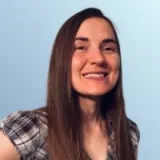
Lisa Wendland leads media and growth work for commerce brands, connecting paid, owned, and earned channels. Wendland also teaches marketing strategy and writes about growth, lifecycle marketing, and brand building.
Lisa Wendland is most useful for operator-focused thought leadership on paid, owned, and earned media, lifecycle marketing, and retention economics.
Best for
A B2B SaaS campaign on retention economics and predictive segmentation for commerce marketers.
Not for
Consumer beverage viral endorsement with guaranteed reach and direct sales from one post.
Key takeaways
Weak offers, purchase-path friction, and low repeat purchasing can stall growth even with strong ads.
Lifecycle marketing should be a primary revenue engine.
Creator partnerships are a discovery and signal layer.
Check first: Confirm audience reach, performance data, partnership willingness, and terms before contacting them.
Main ideas
Profitable paid growth is a full-system problem · Lifecycle marketing should be a primary revenue engine · Paid, owned, and earned media should run as one operating layer
Lisa Wendland leads media and growth work for commerce brands, connecting paid, owned, and earned channels.
Their writing treats growth as an operating system rather than a collection of campaigns, linking acquisition to retention, customer experience, measurement, and the practical work of running teams.
They also teach marketing strategy and use real company cases, including Dang Foods, to show how brand ideas must hold up against packaging, costs, manufacturing, and customer demand.
Wendland links marketing decisions to what happens before and after an ad or campaign.
In their paid-growth writing, they argue that weak offers, purchase-path friction, and low repeat purchasing can stall growth even when ads are strong.
They lay out a sequence from testing creative and offers through conversion, retention, and incrementality measurement.
In their media-leadership writing, that systems view becomes operational: shared standards and decision-ready reporting should improve coordination without stopping live work.
Their teaching on Dang Foods adds a counterweight to abstract growth advice: a strong story or logical product extension is not enough if the pack, economics, manufacturing, or category demand do not work.
Lisa Wendland's ideas center on running media and lifecycle marketing as one system instead of separate channels.
Read more
They argue that retention economics, creator signal, data foundations, and operating standards determine whether paid growth scales, and support those positions with operating experience and company cases.
Profitable paid growth is a full-system problem
Wendland argues that bigger budgets and more creative rarely fix stalled paid performance.
Read more
The causes usually sit before and after the ad: untested offers, landing pages and checkout flows that leak conversion, weak repeat purchasing, and no structured way to predict which creative will work. Their framework combines structured creative and offer testing, full path-to-purchase optimization, retention as a paid media lever, and incrementality measurement.
Wendland cites leading P&L responsibility for more than $50M in annual paid spend across DTC portfolios.
They point to predictive tools such as Neurons AI as a way to cut losing creative tests, while warning that these tools do not replace real-world testing.
For jewelry, fashion, and lifestyle brands, they say demonstration and educational video usually outperform generic lifestyle imagery.
Lifecycle marketing should be a primary revenue engine
Wendland argues that retention is no longer backend support.
Read more
Acquisition costs far more than retention, while privacy limits, weaker third-party signals, and consent rules increase the value of owned-data personalization and predictive decisions. They call for moving from static RFM segments to behavioral velocity, agentic orchestration across email, SMS, push, and RCS, and measuring incremental lifetime value rather than opens and clicks.
In the 2026 lifecycle essay, Wendland cites industry figures from Bain & Company: acquiring a customer costs 5 to 25 times more than retaining one, and a 5% retention improvement can raise profits 25-95%.
They also cite SuperAGI case studies in which AI-powered lifecycle work produced 30%+ CLV increases.
Their recommendations include a unified context engine, predictive orchestration, cross-channel activation, and a measurement reset with holdout tests.
Paid, owned, and earned media should run as one operating layer
Wendland argues that leadership sees activity unless earned, content, commerce, and media investment share one operating layer.
Read more
They stress standards for naming, briefs, ownership, and QA so reporting and attribution run on clean inputs. They also argue against pausing the calendar to rebuild: new channels count only if core paid, owned, and earned work still ships.
Wendland describes serving as Head of Media while owning practice P&L across earned, owned, and paid, and keeping summer campaigns, Labor Day, and product launches moving during an infrastructure rebuild.
In the Blue Wheel anniversary post, they say they founded the Lifecycle Marketing team, evolved it into an Owned Media division, served as Interim Head of DTC Advertising, and now lead earned and owned media while driving TikTok Shop and social commerce.
They brought the DTC paid team into Skai training and used Iterable Academy SMS certification to build channel depth.
Their hiring posts set clear requirements for a junior email graphic designer and a TikTok Shop strategist.
Creator partnerships are a discovery and signal layer
Wendland treats creators as ongoing relationships that produce first-party data and performance signal, not just impressions.
Read more
They ask whether creator spend generates usable signal, whether top-performing assets are systematically extended, and whether TikTok operates as an input to the rest of the growth system. Their growth-stack argument places creators in a connected loop with earned media, owned channels, and AI.
Wendland hosted a 60-minute conversation with Sloane Osmers from TikTok about how beauty shoppers discover and convert in 2026, including full-funnel ad products and partnership approaches. Their Blue Wheel work includes TikTok Shop for household consumer and large food brands, and they have hired a TikTok Shop strategist for enterprise and high-growth DTC clients.
Brand growth should be taught through operating constraints
Wendland assigns students a real company case rather than a framework slide, requiring two takeaways and two questions tied to a specific moment.
Read more
They draw enterprise lessons: an origin story matters only if it changes the SKU, claim, or pack; packaging often acts as the first product; internal favorites should be killed faster; marketing cannot outrun manufacturing; and category math matters more than brand love.
Wendland teaches Dang Foods, the Thai-inspired snack brand that began as a 2011 home-cooking experiment and reached thousands of stores.
Students examine why coconut chips worked while an onion-chip line was discontinued.
They connect the case to 2026 conditions: private label is better, retail space is tighter, and creator demand can spike before supply catches up.
Decision-grade data and standards come before lifecycle scale
Wendland ties lifecycle and SMS performance to unified customer data, consent tracking, and measurement discipline.
Read more
They argue that personalization at scale depends on CDP and CRM foundations, zero- and first-party data, accurate opt-outs, and clean campaign inputs. They favor incrementality and holdout tests, marketing efficiency ratio, and acquisition marketing efficiency ratio over channel-level vanity metrics.
Wendland points to Iterable Academy's SMS learning path and certification as a way to teach teams program architecture, delivery diagnostics, and global cost drivers. In their media leadership work, they pushed for consistent campaign inputs so attribution had clean data to work with, and brought the paid team into tool training.
Wondering how Wendland approaches profitable paid growth?
Read more
The essay lays out the problem and four-part framework.
Wendland argues that paid media can stall for reasons beyond the ads: weak offers, checkout friction and poor repeat purchasing. Their practical sequence moves from creative and offer tests to the purchase path, retention and incrementality measurement.
For brands planning a campaign
For a campaign aimed at improving paid growth, ask Wendland to diagnose the whole customer journey before recommending more spend or creative volume.
This is a direct starting point for Wendland’s argument about retention and predictive orchestration.
Read more
This essay frames lifecycle marketing as more than scheduled email and SMS campaigns. It proposes connecting customer data, predictive signals, channel choices and measurement, with incremental customer value as a better goal than opens or clicks.
For brands planning a campaign
For a retention brief, use this to explore how a brand could test predictive segmentation and measure whether lifecycle activity changes repeat purchasing. Independently check the essay’s specific 2026 benchmarks before reuse.
This essay follows a specific company case and shows the questions Wendland wants marketers to ask.
Read more
Wendland uses Dang Foods to show that a compelling origin story is not enough: packaging must explain the product, costs and manufacturing must work, and an adjacent product can still fail. They contrast the brand’s coconut-chip story with its discontinued onion-chip line.
For brands planning a campaign
For a CPG campaign, use these questions to test whether the proposed story clarifies the product and whether demand can be supported by packaging, production and category economics.
This account describes the standards and coordination Wendland says the role requires.
Read more
Wendland describes media leadership as connecting paid, owned and earned work through shared standards for briefs, naming, ownership and reporting. They emphasize keeping campaigns running while improving the systems leaders use to make decisions.
For brands planning a campaign
For a leadership or operating-model brief, ask how shared inputs and decision-ready reporting could reduce friction across media teams without pausing delivery.
Lisa Wendland argues that paid, owned, and earned media should run as a single system with shared standards, naming, ownership, and decision-grade reporting.
Read more
They describe leading this as Head of Media, owning practice P&L across earned, owned, and paid, and removing friction between teams rather than inventing new models. They connect the work to client outcomes like TikTok Shop and social commerce for enterprise and high-growth DTC brands.
For brands planning a campaign
For a lifecycle retention campaign, Lisa Wendland connects retention to paid acquisition and earned trust rather than treating them as separate campaigns. They bring a P&L-level view of how channels influence each other.
Lisa Wendland argues that lifecycle should move from backend support to primary revenue engine, driven by privacy-first data, predictive behavioral velocity instead of static RFM, agentic AI orchestration, and owned channels like email, SMS, and loyalty.
Read more
They cite cost-to-retain ratios, budget shifts toward retention, and the need to measure incremental LTV lift rather than open rates. They also frame retention as a paid media lever: improving repeat purchase rate makes front-end customer acquisition cost sustainable.
For brands planning a campaign
Directly relevant to retention economics, Lisa Wendland can discuss predictive segmentation, lifecycle stack design, and how retention changes paid payback.
Lisa Wendland treats creator partnerships as ongoing relationships that produce first-party data and signal, not just impressions.
Read more
They ask whether creator spend generates usable signal, whether top-performing assets are systematically extended, and whether TikTok operates as an input to the growth system. They have worked on TikTok Shop for household consumer and large food brands, and host conversations on how beauty shoppers discover and convert.
For brands planning a campaign
For a creator-led B2B SaaS campaign, Lisa Wendland can advise on turning creator content into signals and measuring beyond reach.
After P&L responsibility over $50M+ in annual paid spend, Lisa Wendland says profitable scaling comes from structured creative and offer testing with fast kill-or-scale decisions, conversion path optimization, retention as a paid lever, and incrementality measurement.
Read more
They warn that AI predictive tools reduce wasted spend but cannot fix weak offers or poor post-purchase experiences. They highlight demonstration and educational video for jewelry, fashion, and lifestyle brands.
Lisa Wendland notes that predictive creative tools do not replace real-world testing.
For brands planning a campaign
Lisa Wendland can speak to paid efficiency and creative testing systems, relevant if the campaign includes acquisition or media strategy.
Lisa Wendland assigns students a real company like Dang Foods and asks for takeaways and questions tied to specific moments, then draws enterprise lessons: origin stories only matter if they change the SKU, pack, or claim; the bag is often the first product; kill internal favorites faster; marketing cannot outrun manufacturing; and category math matters more than brand love.
Read more
They translate these lessons to 2026 retail conditions where private label is better and creator demand can spike before supply catches up.
Assigns a real company case, requires two takeaways and two questions tied to a specific moment, then translates them into enterprise filters.
For brands planning a campaign
For thought leadership, Lisa Wendland brings a case-based teaching method that turns real failures and constraints into decision filters, useful for content that needs practical examples.
Lisa Wendland emphasizes unified context engines, zero-party data, CDP and CRM foundations for SMS consent and personalization, incrementality and holdout tests, and marketing efficiency ratio measures.
Read more
They also stress naming, ownership, and QA standards so attribution and reporting run on clean inputs. They brought the paid team into tool training and pushed for consistent campaign inputs.
For brands planning a campaign
Lisa Wendland can contribute to content about measurement, privacy-first personalization, and the operational prerequisites for lifecycle programs.
Lisa Wendland founded a Lifecycle Marketing team and evolved it into an Owned Media division, served as Interim Head of DTC Advertising, and now leads earned and owned media while driving TikTok Shop and social commerce.
Read more
They invest in structured SMS training and certification, design roles around specialists, and hire junior design and TikTok Shop talent with clear requirements. They frame process as something that should outlive any single seat.
For brands planning a campaign
For a campaign that needs an operator who can scale a practice, Lisa Wendland brings team-building and training experience across lifecycle, owned media, and social commerce.
Lisa Wendland says they work at Blue Wheel, where they have held leadership roles across owned and earned media, and teach marketing strategy at Cleary University.
Read more
Ask about any sponsor, affiliate, or client relationships with named brands.
Blue Wheel
Employment
Lisa Wendland says they joined Blue Wheel five years ago, founded its Lifecycle Marketing team, served as Interim Head of DTC Advertising, and now lead Earned and Owned Media.
Read more
A later hiring post says the company is growing and lists them as hiring manager for a TikTok Shop Strategist.
Lisa Wendland’s published work runs on two tracks: short LinkedIn posts about running paid, owned, and earned media as one system, and longer Substack essays on lifecycle marketing, paid scaling, and brand growth.
Read more
Start with the paid-scaling post and the 2026 lifecycle essay for the fullest version of their argument, then turn to the LinkedIn posts for current examples — creator signal in beauty and TikTok Shop, SMS program standards, hiring for social commerce, and classroom cases such as Dang Foods. Follow the case-based teaching posts for growth decisions shaped by real company constraints; follow the lifecycle, data, and measurement threads for retention economics and decision-grade reporting.
Harris writes from hands-on retention and lifecycle work: running email and SMS programs for brands, arguing that email should be the top revenue channel, and treating owned data infrastructure as a way to lower acquisition costs and improve retention.
Read more
Both use short, example-led posts to make the case that retention is a measurable revenue lever, not just a channel task.
Harris stays close to individual programs — mobile email layout, ten fixes to make before peak season, direct client engagements — and writes as an independent practitioner. Wendland writes from inside a media organization, connecting lifecycle marketing to paid, earned, and owned media leadership, as well as hiring, training, and team design.
Yuwen writes about lifecycle timing and measurement integrity: catching disengagement before a customer churns rather than sending a win-back email after they have gone, and deduplicating attribution when several platforms claim the same order.
Read more
Both argue for making retention decisions with numbers marketers can trust, before the relationship ends.
Yuwen gets into implementation details — engagement cliffs, inactivity thresholds, warehouse pipelines, and deduplicated attribution with named revenue figures — one brand at a time. Wendland focuses on operating systems and media leadership, making the case for shared standards, predictive orchestration design, and retention’s effect on paid payback.
Schlau argues that first-party data is infrastructure, not a targeting asset, and that measurement must serve both human advertisers and AI systems.
Read more
Both connect data foundations to the decisions marketing teams can make, and see AI as a connective layer across channels rather than a standalone tool.
Schlau focuses on data ownership, identity resolution, and retail media architecture, including who controls the intelligence layer after large agency acquisitions. Wendland focuses on running the media team and growing lifecycle revenue, with little attention to identity governance or platform ownership.
Audience data supports one placement decision: Lisa Wendland is a plausible fit for a lifecycle- or retention-focused B2B SaaS campaign aimed at practitioners who run paid, owned and earned media for DTC and omnichannel commerce brands.
Read more
The posts do not establish whether readers are lifecycle or retention decision makers or software buyers.
The LinkedIn account carrying these posts reported 3,232 followers on 8 October 2026.
No Substack subscriber figure, per-post reach, engagement or click data, or platform demographic data appear in the posts.
Geography, age, gender, job function, seniority and company size are unverified.
Across 13 posts published 16 March to 8 October 2026, recurring subjects include paid media scaling, retention as a paid lever, lifecycle and SMS programmes, TikTok Shop, peak-season planning, and classroom case teaching on consumer brand growth.
The paid-scaling framework, 2026 lifecycle reset, SMS team-training note, TikTok beauty session and peak-planning recap speak to people running these programmes at commerce brands and agencies, alongside a student-facing teaching strand.
Before booking, request the last 90 days of reach, engagement and clicks on comparable posts, Substack subscriber and open rates, and an audience survey covering job function, seniority and company size.
Platform demographic data can address geography, age and gender, but not employer or seniority; for this campaign, the survey matters more.
LinkedIn followers
3,232
Channel-level follower count reported for the LinkedIn account that carries these posts; not tied to any single post. · 2026-10-08
No public sponsorship or paid-partnership offer appears in the material reviewed.
Read more
Lisa Wendland's posts describe working roles—leading earned and owned media for commerce brands, owning practice profit-and-loss across paid, owned and earned, and teaching marketing strategy and lifecycle topics—rather than a sponsorship page, rate card or disclosure policy.
Their public formats are professional and educational: hosted conversations and panels, including a 60-minute TikTok session with TikTok's Sloane Osmers and a peak-season panel offered with a free replay; classroom assignments built on founder interviews; and Substack essays that end with subscription prompts, not sponsor placements.
Two posts recruit directly—a TikTok Shop strategist search limited to named states and a part-time freelance email designer role—pointing inbound interest toward hiring, agency or teaching work rather than creator sponsorships.
Before committing campaign spend, ask directly about deliverables, pricing, exclusivity terms and the official partnership inquiry route; none are documented publicly.
Strong subject-matter fit; verify audience reach before committing. Wendland connects lifecycle marketing to paid acquisition economics, arguing that retention and repeat purchasing can improve customer acquisition payback. They also discuss moving beyond static RFM segments toward behavioral signals, while stressing data foundations, consent, and measurement. Their posts offer an operator-focused perspective, but the LinkedIn account’s 3,232 followers on 8 October 2026 have no publicly established roles, seniority, or buying authority. Ask for audience and performance data, and confirm their willingness to partner and terms: no public sponsorship package, rates, or partnership inquiry route is published.
Read more
Brief
A B2B SaaS company wants a thought-leadership campaign on retention economics and predictive customer segmentation for commerce marketers.
Reason
The topic closely matches Wendland’s published work on lifecycle marketing, paid profitability, predictive signals, and measurement. Don’t present them as proof that a particular SaaS product works: their posts don’t say they have endorsed a product or offered a commercial partnership.
When to choose a specialist
Poor fit based on Wendland’s published work. Their work focuses on professional commentary, teaching, and media leadership for commerce brands; it doesn’t show a consumer-influencer format, shopper audience, short-form video deliverables, or sales guarantees. Their Dang Foods teaching case discusses packaging, manufacturing, and category economics, but doesn’t say they offer consumer product endorsements. Choose a creator with documented consumer reach, relevant audience data, and a proven short-form sponsored-content offer instead.
Read more
Brief
A consumer beverage brand wants a short-form viral endorsement aimed at general shoppers, with guaranteed reach and direct sales attributed to a single post.
Reason
Wendland’s public material doesn’t support the campaign’s audience, format, or performance requirements. Ask whether they offer paid endorsements, and request sponsorship formats and rates before proceeding.
A worked campaign example
Campaign angle
Retention is part of acquisition economics: test whether better lifecycle decisions make paid customer acquisition more sustainable.
Example
For a B2B lifecycle platform, propose a practical briefing or interview built around one commerce brand’s customer journey. Wendland could explain how to identify a gap between one-time paid buyers and repeat customers, choose a behavioral signal to investigate, and test a lifecycle intervention against a holdout. Distinguish observed results from hypotheses, and don’t promise a lift before the test is run. This angle reflects their posts on retention as a paid-media lever, predictive behavioral signals, and incrementality measurement.
Ask whether Wendland is open to a paid thought-leadership collaboration and which formats they would consider. Request comparable-post reach, engagement, and click data, plus audience information on job function and seniority. Agree on disclosure, deliverables, measurement, and approval terms before booking.
Choose Harris when a campaign needs someone who works inside retention and owned email/SMS programs, not just at the strategy level.
Read more
His posts describe running lifecycle work directly, building owned-data infrastructure, and optimizing mobile email conversion for peak season, with checklists a commerce team can act on the next week. For a B2B SaaS campaign whose readers are lifecycle practitioners seeking execution detail — segmentation setup, owned-data plumbing, mobile conversion — he supplies more operational specificity than Wendland's higher-altitude view.
The tradeoff is scope and framing.
Harris's posts center on email and lifecycle execution, plus owned-data infrastructure.
They don't frame retention as part of paid acquisition economics the way Wendland does, and show less on predictive machine-learning segmentation at the orchestration layer.
Wendland's teaching and cross-channel media-leadership angle speaks to a broader commerce-marketer audience; Harris is a narrower, more executional voice.
Choose Yuwen when a campaign is about proving retention with data: predictive churn signals, attribution overlap, and building a measurement model leadership will trust.
Read more
His post on a $14M outdoor apparel brand’s Klaviyo-versus-Shopify revenue gap is a concrete lesson in deduplicating attribution and rebuilding measurement, and his retention piece describes predictive AI that triggers interventions before a customer visibly churns. For a campaign where predictive segmentation and measurement are the point, he supplies case-level numbers that Wendland's posts don't.
The tradeoff is audience and format.
Yuwen's posts read as analytics-and-infrastructure case studies with a diagnostic, data-repair tone; they cover less on lifecycle program design, channel orchestration, or teaching a broad commerce-marketing audience.
Wendland is stronger when a campaign needs a thought-leadership voice linking retention to acquisition economics for marketers; Yuwen is stronger when the audience is analytics or growth-data practitioners seeking attribution methodology.
Choose Schlau when a campaign is about where customer data lives and who controls it: identity resolution, data collaboration, governance, and the martech architecture behind personalization and measurement.
Read more
Her posts treat first-party data as infrastructure, examine agency and platform ownership of the intelligence layer, and connect retail media and AI-driven commerce to data architecture. For a B2B SaaS campaign aimed at enterprise data, CRM, and martech decision-makers, that strategic framing fits better than a lifecycle operations angle.
The tradeoff is distance from the campaign need.
Schlau's posts operate at the data-architecture and industry-strategy level; they show less on running retention programs, testing predictive segments, or improving paid payback.
Wendland's work speaks more directly to commerce marketers deciding retention tactics; Schlau is a stronger fit when the audience is senior data and platform leaders weighing ownership and architecture choices.
Lisa Wendland published 13 posts on LinkedIn and Substack, collected in October 2026.
The posts are written text: short LinkedIn posts on paid scaling, lifecycle work, SMS programs, social commerce, hiring, and classroom cases, plus longer Substack essays on lifecycle marketing, paid profitability, the growth stack, and media leadership.
Titles and short excerpts do not provide the full text, and the claims in this profile are tied to specific posts.
No video or audio transcripts are published here, and no Substack follower count is published.
The lifecycle essay ends mid-sentence, so its closing argument is not assessed, and the posts cover 2026 work rather than a full career history.
Lisa Wendland's posts do not say that sponsorship packages, rates, or a partnership inquiry route are available, so no paid collaboration offer is described here.
Claims about employers, credentials, and audience are limited to what the posts themselves state.