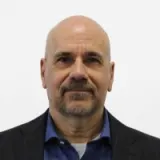
Greg Nanigian shares Sandler sales-training material on selling, customer success, and sales leadership, including advice on qualifying prospects, building client trust, and coaching teams.
They are most useful for practical Sandler sales, customer success, and sales leadership training material.
Best for
B2B sales training firms planning customer success or sales leadership workshops for revenue teams.
Not for
Consumer brands seeking short-form video creators for Gen Z app installs or sponsorships.
Key takeaways
Give the prospect permission to say no.
Customer success is repeated small actions, not one big gesture.
Sales leadership is a different job from selling.
Check first: Ask for recent post results and audience data on job titles and seniority.
Main ideas
Give the prospect permission to say no · Customer success is repeated small actions, not one big gesture · Sales leadership is a different job from selling
Greg Nanigian shares Sandler sales-training material on selling, customer success, and sales leadership.
Across his LinkedIn posts, he returns to a practical idea: good selling depends on deliberate behaviors, not pressure or instinct alone.
He advises sellers to qualify honestly, understand a buyer’s needs before presenting, and let a well-prepared buyer decide without a forced close.
His customer-success posts extend that approach beyond the sale, emphasizing follow-through, direct conversations, and attention to what clients need.
For readers interested in sales coaching, his work offers concise prompts for improving conversations and making team practices more consistent.
Nanigian connects individual sales conversations to repeatable team habits.
For example, he frames trust as a result of small actions—following through, asking rather than assuming, and addressing problems directly—while his leadership posts shift the focus from a manager’s own deals to coaching behavior and reinforcing process.
His posts also include exceptions to a narrow focus on closing: customer success can support renewals and referrals, and leadership should give people autonomy alongside clear expectations.
This makes his work useful to readers looking for practical sales and customer-success behaviors, as well as managers thinking about how to coach them.
The supplied material establishes these themes but does not document a signature book, show, or earlier career work.
Greg Nanigian's retained posts teach a Sandler-style approach to selling and customer success.
Read more
The recurring arguments are that pressure creates resistance and confidence builds trust, that customer relationships are built through small repeated actions rather than one big gesture, and that sales leadership, sales development, and sales performance each require deliberate, coachable behaviors rather than instinct alone. The posts are short teaching pieces tied to Sandler series, videos, a podcast, and a whitepaper.
Give the prospect permission to say no
Greg Nanigian argues that the harder a salesperson pushes for the next step, the more resistance they create, while confidence builds trust and desperation creates doubt.
Read more
The technique he teaches, Negative Reverse Selling, takes pressure off the prospect by making clear that walking away is an acceptable outcome. The claimed results are that prospects open up more, the seller establishes equal business stature, budget conversations feel less intimidating, and the seller builds trust instead of pressure.
In a post promoting Sandler training, Greg Nanigian contrasts salespeople who feel pressure to push for the next step with the practice of making walking away acceptable, lists those four consequences, and closes by inviting readers to a free 15-minute Zoom call.
Customer success is repeated small actions, not one big gesture
Greg Nanigian argues that client trust is not built in one conversation or one large gesture but through small interactions: following through on commitments, asking questions instead of making assumptions, addressing issues directly, and showing clients that their priorities are noticed.
Read more
A related post puts the responsibility on the professional, not the client, for clarity, asking whether teams avoid difficult conversations, assume what clients want, or hold back recommendations because they lack confidence. The posts blend a relationship message with a revenue message: the same closeness that builds trust is what surfaces renewal, expansion, and referral opportunities.
One post lists the small behaviors directly and ties them to Sandler's Customer Success Series.
Another asks whether the reader is avoiding a difficult conversation or holding back a recommendation.
A third states that the sale is not the end of the customer conversation because staying close to what customers need can uncover renewal, expansion, and referrals.
Greg Nanigian argues that the skills that made someone a successful salesperson are not the skills that make them a successful sales leader.
Read more
Once the role changes, the work shifts from closing personal deals to coaching behaviors, reinforcing process, and holding the team accountable for execution.
A related post adds that strong leadership does not control every move but sets clear expectations, builds trust, and gives people autonomy to deliver.
That second post is a podcast promotion, and the leadership lessons in it are attributed to the guest Karen Gibson, who discusses leading with respect, accountability, and purpose.
The leadership post states the salesperson-to-leader shift plainly and connects it to the Sales Leaders Growth Series. The podcast post frames leadership as expectations, trust, and autonomy rather than control, with Karen Gibson as the guest.
Greg Nanigian argues that getting a prospect to agree to a meeting is not the same as creating a sales opportunity.
Read more
Sales development representatives need to uncover pain, qualify honestly, and understand whether there is a reason to move forward before treating the meeting as an opportunity. The Sales Development Series is presented as a repeatable process for building those skills.
The post draws the distinction between a yes to a meeting and a real opportunity, then names uncovering pain, honest qualification, and a reason to move forward as the skills the series develops.
Short numbered rules turn instinct into deliberate technique
Greg Nanigian uses numbered Sandler Rules as compact teaching artifacts, each pairing one idea with a video link or a discussion question.
Read more
Rule #15 says the best sales presentation may be the one a seller never has to give, because strong presentations start after understanding the prospect's needs, pain, and decision process.
Rule #16 says the close should not be a moment the seller has to force when the conversation has already uncovered the problem, impact, and value.
Rule #17 says the professional does on purpose what the amateur did by accident, framing technique as deliberate and repeatable rather than accidental.
There is a mild tension with the program-promotion posts: the rules are short and self-contained, but each one still points to a video or asks readers a practice question.
The Rule #17 post asks readers what one skill they had to make deliberate before it became second nature. The Rule #16 post ends by asking what happens before a team asks for commitment, and the Rule #15 post pairs the rule with a video link.
Goals are easy; consistent action is the hard part
Greg Nanigian argues that setting a sales goal is the easy part and the harder question is what a team will do consistently to reach it.
Read more
The ACHIEVE Framework is presented as a structured approach for turning goals into action, building productive habits, and creating more consistent performance.
The post contrasts the ease of setting a goal with the difficulty of consistent execution, then links to an ACHIEVE whitepaper.
Answers how a seller can reduce pressure and still create trust.
Read more
A newcomer sees the central Sandler idea that confidence, not desperation, moves a sales conversation.
Greg Nanigian frames the problem as salespeople feeling pressure to push for the next step.
The post teaches Negative Reverse Selling: make it clear that walking away is acceptable.
Greg Nanigian lists the consequences—prospects open up more, equal business stature, less intimidating budget talks, trust instead of pressure—and closes with a free 15-minute Zoom call.
For brands planning a campaign
Use this as a workshop segment on qualification and pressure. The session outline can contrast pushing for a next step with permission-to-say-no, then have participants practice language that lowers pressure before budget or commitment conversations.
Answers what customer success looks like day to day and why it belongs in a workshop beyond sales technique.
Read more
A newcomer gets a concrete set of behaviors rather than a slogan.
The post says trust is not built in one conversation or one big gesture.
It is built by following through, asking questions instead of assuming, addressing issues directly, and showing clients that the seller is paying attention to what matters.
Greg Nanigian links those moments to Sandler’s Customer Success Series.
For brands planning a campaign
This is a natural opening or closing module for a customer success workshop. It gives the session a behavior list—follow-through, questions, direct issue handling, attention—that can be turned into a self-assessment or role-play.
Answers how self-limiting beliefs and assumptions interfere with customer conversations.
Read more
A newcomer sees Greg Nanigian’s coaching focus on the seller’s mindset, not only tactics.
Greg Nanigian states that clarity is the responsibility of the professional, not the client.
The post asks whether the seller is avoiding a difficult conversation, assuming what the client wants without asking, or holding back a recommendation because of low confidence.
The Customer Success Series is presented as a way to recognize those beliefs and behaviors.
For brands planning a campaign
Use this in a customer success session on difficult conversations and assumptions. The workshop can ask participants to name one avoided conversation and one assumption, then practice a clear recommendation with a partner.
Answers why strong sellers can struggle as leaders.
Read more
A newcomer sees the leadership transition Greg Nanigian coaches and the specific behaviors that replace personal closing.
The post says the skills that made someone a successful salesperson are not the skills that make them a successful sales leader.
Once the role changes, the focus moves from closing personal deals to coaching behaviors, reinforcing process, and holding the team accountable for execution.
Greg Nanigian connects this to the Sales Leaders Growth Series.
For brands planning a campaign
This is the anchor for a sales leadership workshop. The outline can separate personal production from coaching, process reinforcement, and accountability, then use the source as the starting case for a manager’s weekly operating rhythm.
Answers when a close becomes natural rather than pushy.
Read more
A newcomer gets a compact example of Greg Nanigian’s ethical-selling framing.
Greg Nanigian uses Sandler Rule #16 to challenge the instinct to push for the order.
When the conversation has uncovered the problem, impact, and value, the buyer has what is needed to decide.
The post ends with a question for teams: what happens before your team asks for commitment?
For brands planning a campaign
Use this in a closing or ethical-selling module. The session can map problem, impact, and value before commitment, then ask teams to audit what happens immediately before a close in their own pipeline.
Answers what sales development reps need to do beyond booking meetings.
Read more
A newcomer sees Greg Nanigian’s qualification standard for the front end of the sales process.
The post says getting a prospect to say yes to a meeting is not the same as creating a sales opportunity.
Sales development reps need to uncover pain, qualify honestly, and understand whether there is a reason to move forward.
Greg Nanigian points to the Sales Development Series and a repeatable process.
For brands planning a campaign
Use this in a sales development or pipeline workshop. The session can separate meeting-booked metrics from qualification quality and build a short discovery checklist around pain, honest qualification, and reason to move forward.
Answers how a team moves from a goal to repeatable execution.
Read more
A newcomer sees the structured habit-building side of Greg Nanigian’s sales performance work.
Greg Nanigian says setting the sales goal is the easy part; the harder question is what the team will do consistently to reach it.
The ACHIEVE Framework is presented as a structured approach for turning goals into action, building productive habits, and creating more consistent performance.
The post links to a whitepaper.
For brands planning a campaign
Use this in a sales performance workshop focused on execution habits. The session can take one goal and work backward into consistent behaviors, then assign a weekly check-in that keeps the behaviors visible.
A newcomer gets a direct example of Greg Nanigian’s audience-first sales philosophy.
Greg Nanigian says the best sales presentation may be the one never given.
Strong presentations start long before the slides come out.
When the seller understands the prospect’s needs, pain, and decision process first, the seller has something worth presenting.
For brands planning a campaign
Use this in a discovery or presentation-skills module. The workshop can have participants rewrite a standard presentation after a discovery exercise, showing how needs, pain, and decision process change the content.
Answers how natural instinct becomes repeatable technique.
Read more
A newcomer sees Greg Nanigian’s practice-oriented coaching philosophy in one line.
Greg Nanigian quotes Sandler Rule #17: the professional does on purpose what the amateur did by accident. The post frames the rule as turning natural instincts into deliberate, repeatable technique and asks readers to name one skill they had to make deliberate before it became second nature.
For brands planning a campaign
Use this in a workshop practice or accountability segment. The session can ask each participant to name one skill that must become deliberate, then build a repetition plan and a manager observation checklist.
Answers what customer success can add after the deal.
Read more
A newcomer sees the revenue case Greg Nanigian makes for staying close to customers.
Greg Nanigian says the sale is not the end of the customer conversation.
Customer success can uncover renewal, expansion, and referral opportunities by staying close to what customers need.
The post connects that work to the Customer Success Series.
For brands planning a campaign
Use this in a customer success or account growth workshop. The session can map renewal, expansion, and referral moments to specific customer needs and build a simple check-in that surfaces those needs before they become risks.
Answers what leadership looks like when it is not controlling every move.
Read more
A newcomer sees Greg Nanigian’s leadership development interest through a guest conversation.
Greg Nanigian writes that strong leadership does not control every move.
It is about setting clear expectations, building trust, and giving people autonomy to deliver.
The post points to a How to Succeed podcast episode with Karen Gibson on respect, accountability, and purpose.
For brands planning a campaign
Use this in a leadership workshop segment on autonomy and accountability. The session can contrast control with clear expectations and trust, then ask managers to identify one decision they can delegate while keeping the outcome visible.
Negative Reverse Selling and pressure-free commitment1
Sales development: a meeting is not an opportunity1
Turning sales goals into consistent habits: ACHIEVE1
Customer success as repeated trust work
Greg Nanigian frames customer success around trust built through small interactions rather than one big gesture.
Read more
The posts call for following through on commitments, asking questions instead of making assumptions, addressing issues directly, and showing clients that their priorities are being noticed.
One post argues that clarity is the responsibility of the customer success professional, not the client, and asks whether teams avoid difficult conversations, assume what clients want, or hold back recommendations.
Another says the sale is not the end of the customer conversation: customer success can uncover renewal, expansion, and referral opportunities by staying close to what customers need.
Follow through, ask instead of assume, address issues directly, and stay close to renewal and expansion needs.
For brands planning a campaign
For a customer success workshop, build a module around proactive trust behaviors and expansion conversations rather than a one-off renewal playbook. The posts can serve as discussion prompts for client-facing teams.
Negative Reverse Selling and pressure-free commitment
Greg Nanigian teaches Negative Reverse Selling, which gives a prospect permission to say no.
Read more
The argument is that pressure creates resistance while confidence builds trust: when prospects know the seller is willing to walk away, they may open up more, budget conversations feel less intimidating, and the seller establishes equal business stature. The post contrasts pushing for the next step with making walking away an acceptable outcome.
Explicitly give the prospect permission to say no before pushing for a next step.
For brands planning a campaign
Use this in a sales workshop on qualification and difficult conversations. A session can demonstrate how a representative lowers pressure while still testing for a real reason to move forward.
Greg Nanigian argues that the skills that made someone a successful salesperson are not the skills that make them a successful sales leader.
Read more
Once the role changes, the job shifts from closing personal deals to coaching behaviors, reinforcing process, and holding the team accountable for execution. A separate post tied to the How to Succeed podcast adds leadership themes of clear expectations, trust, and giving people autonomy to deliver, with Karen Gibson as the guest.
The Sales Leaders Growth Series is positioned as the program for that transition.
The leadership post is a podcast promotion featuring a guest; it does not lay out a complete leadership framework in the post text itself.
For brands planning a campaign
A leadership workshop can frame the move from personal selling to coaching cadence, accountabilities, and team execution.
Sales development: a meeting is not an opportunity
Greg Nanigian distinguishes getting a prospect to agree to a meeting from creating a sales opportunity.
Read more
Sales development representatives need to uncover pain, qualify honestly, and understand whether there is a reason to move forward. The Sales Development Series is described as a repeatable process for building those skills.
Uncover pain, qualify honestly, and test whether there is a reason to move forward before treating the meeting as an opportunity.
For brands planning a campaign
For SDR training, use this as a standard for qualification quality and pipeline definitions rather than meeting volume alone.
Greg Nanigian uses numbered Sandler Rules as compact teaching prompts.
Read more
Rule #15 says the best sales presentation may be the one a seller never has to give, because strong presentations start after understanding the prospect's needs, pain, and decision process.
Rule #16 says the close should not be forced when the conversation has uncovered the problem, impact, and value.
Rule #17 says the professional does on purpose what the amateur did by accident, turning instincts into deliberate, repeatable technique.
A short rule post pairs an idea with a video link or a discussion question.
For brands planning a campaign
A content or workshop series can use numbered rules as repeatable anchors, with each rule tied to a behavior and a practice question.
Turning sales goals into consistent habits: ACHIEVE
Greg Nanigian treats setting the sales goal as the easy part.
Read more
The harder question is what a team will do consistently to reach it. The ACHIEVE Framework is presented as a structured approach for turning goals into action, building productive habits, and creating more consistent performance.
The framework is positioned as a goals-to-action and habit-building structure.
For brands planning a campaign
A performance workshop can use ACHIEVE as a planning spine for weekly behaviors rather than annual targets.
The posts consistently point to Sandler series and resources: the Customer Success Series, Sales Development Series, Sales Leaders Growth Series, Sandler Rules videos, an ACHIEVE whitepaper, and a podcast conversation.
Read more
The content mixes short teaching posts with links to calls, videos, whitepapers, and a podcast.
Pair a short sales idea with a link to a Sandler program resource or conversation.
The posts show program promotion, but they do not document paid sponsorship formats or commercial terms.
For brands planning a campaign
A brand assessing Greg Nanigian can evaluate him for program-led training content, workshop modules, and social teaching series. The posts do not establish paid sponsorship terms, so commercial fit would need separate evidence.
Greg Nanigian's reviewed LinkedIn posts repeatedly promote Sandler Training's programs and selling methodology, and he writes as part of Sandler.
Read more
The material does not state whether his relationship to Sandler is employment, a franchise, or a contract. No other brand relationships appear in the reviewed posts.
Sandler Training
Disclosed partnership
Nanigian's posts promote Sandler Training offerings — the Customer Success Series, Sales Development Series, Sales Leaders Growth Series, the ACHIEVE Framework, and the Sandler Rules — and he speaks from inside the organization ("At Sandler, we teach...").
Read more
One post invites prospects to book a free 15-minute Zoom call with him. The material does not state whether he is an employee, franchise owner, or contractor, so the exact relationship is unstated.
Start with the Sandler Rules posts for short, numbered sales principles, then use the customer success and sales development posts for team-facing practices.
Read more
The sales leadership material is the place to check for the shift from personal selling to coaching a team. Each post usually points to a Sandler series, video, whitepaper, or podcast, so the post text works best as an entry point to those fuller resources.
Posts treat customer success and support as revenue drivers, not cost centers, and connect proactive support, loyalty, churn reduction, and customer outcomes to business growth.
Read more
That matches Greg Nanigian's customer success argument that staying close to customer needs surfaces renewal, expansion, and referrals.
Parmeet Kaur's material is centered on support, customer success, and SRE operations and on AI's effect on those functions; Greg Nanigian's is centered on Sandler sales process, sales development, and sales leadership training.
Reflects on the blurry line between customer success and account management, contrasts reactive support with proactive customer outcomes, and values CS community learning.
Read more
This overlaps with Greg Nanigian's customer success posts about proactive conversations and expansion.
Jason Munk uses a first-person career-transition and community-event lens; Greg Nanigian publishes program-led sales and customer success lessons tied to Sandler series and rules.
Designs and delivers coaching and mentoring training for managers and leaders, with practical frameworks such as GROW, active listening, feedback, difficult conversations, and empowerment.
Read more
This is close to Greg Nanigian's sales leadership emphasis on coaching behaviors and accountability.
Samer Kassas's examples are corporate coaching programs for healthcare and administrative leaders; Greg Nanigian's are sales and customer success training tied to Sandler methodology.
The only measured audience figure in the supplied material is Greg Nanigian's LinkedIn following of about 10,400, recorded on 7 October 2026.
Read more
That number sizes the followership but says nothing about who is in it: no audience survey, demographic export or per-post engagement data was provided.
What the reviewed posts do establish is the audience the content is written for.
Across the sample, posts promote the Customer Success Series, the Sales Development Series, the Sales Leaders Growth Series, the ACHIEVE Framework and several Sandler Rules, and they address sellers, sales development reps, customer success professionals and sales leaders directly.
For a B2B sales training company weighing a customer success and sales leadership workshop, that topic alignment between content and intended buyer is a reasonable signal of appeal; it is not evidence that the people receiving these posts hold those roles, work in a particular industry, or have budget authority.
Before committing, ask Greg Nanigian for recent results on posts covering comparable topics, depth and formats, and for any audience survey or segmented follower data showing job titles and seniority.
LinkedIn followers
10,400
LinkedIn profile record for Greg Nanigian · 2026-10-07
The reviewed posts do not document any brand partnership or sponsorship offer.
Read more
What they show is Greg Nanigian promoting Sandler Training programs—Customer Success Series, Sales Development Series, Sales Leaders Growth Series, Sandler Rules videos, the ACHIEVE Framework, and Negative Reverse Selling—with links to Sandler landing pages.
One post offers a free 15-minute Zoom call with Greg Nanigian.
For a buyer planning a sales training or customer success workshop, this establishes familiarity with Sandler curricula but not the operational terms of working with Greg Nanigian: no pricing, delivery mode, workshop length, customization policy, or partnership inquiry route is stated.
Treat the absence as a documented gap in the reviewed evidence, not as proof that no such offers exist.
A B2B sales training company asks whether Greg Nanigian fits a customer success and sales leadership workshop for a software client's revenue teams.
Read more
The reviewed posts line up with both halves of that brief.
On customer success, the strongest example is the post arguing that trust is built through small interactions — following through, asking questions instead of assuming, addressing issues directly, and showing clients that their priorities are being noticed.
A second post makes the sharper coaching point that clarity is the professional's responsibility, not the client's, and names the beliefs that get in the way: avoiding a difficult conversation, assuming what the client wants, and holding back a recommendation.
A third extends the relationship past the sale into renewal, expansion and referrals.
On sales leadership, the post stating that the skills that made someone a successful salesperson are not the skills that make a successful sales leader gives the workshop its central transition — from closing personal deals to coaching behaviours, reinforcing process and holding the team accountable.
A related podcast post adds a practical leadership theme: setting clear expectations, building trust and giving people autonomy to deliver rather than controlling every move.
That is enough topic alignment to propose a workshop, and it also supplies ready-made discussion material.
The evidence supports the substance of the session, not the logistics: no pricing, delivery format, workshop length, customisation policy or trainer credentials appear in the reviewed posts, and only one post offers a direct next step (a free 15-minute Zoom call,.
Treat the fit as content-led.
Confirm commercial terms and workshop history separately before the client commits.
When to choose a specialist
A materially different brief: a direct-to-consumer meal-kit brand wants a short-form video creator to drive Gen Z app installs, supported by audience demographics, a per-post conversion benchmark and a clear sponsorship rate.
Read more
The reviewed evidence does not support that fit.
The posts are written for salespeople, sales development representatives, customer success professionals and sales leaders — not for a consumer food audience.
Topics are Sandler programmes and sales method: the Customer Success Series, Sales Development Series and Sales Leaders Growth Series, the ACHIEVE Framework, and Sandler Rules on presenting, closing and deliberate skill-building.
There is no lifestyle, food, recipe or consumer-tech content in the sample.
The only audience figure is a LinkedIn following of about 10,400, observed 7 October 2026; there is no age, region or interest breakdown, so nothing shows that Gen Z consumers are reachable.
No per-post engagement or conversion data was supplied, so a conversion benchmark cannot be set from this material.
No sponsorship rate, usage-rights term or campaign format is documented; one post points to a free introductory call, which is a sales-training enquiry route, not a consumer sponsorship package.
Finally, the pitch would ask a B2B sales educator to carry a consumer install campaign, which cuts against the method they teach and the audience they address.
A consumer brand could still approach them, but on this evidence the honest decision is to reject them for that brief and look for creators whose own material and audience data match it.
A worked campaign example
Campaign angle for the B2B sales training client: 'Coaching cadence, not closing scripts — a customer success and sales leadership workshop.' Shape it as two connected half-day modules for a software client's revenue leaders and customer-facing teams, using Greg Nanigian's published positions as the case material, and propose the outline below.
Module one — customer success as repeated trust work.
Open with the post that says trust is not built in one conversation or one big gesture but through small interactions: following through, asking instead of assuming, addressing issues directly and paying attention to what matters to the client.
Run a short self-assessment in which each participant names one promise they let slip and one assumption they made last month.
Then use the 'clarity is your responsibility, not the client's' post to frame the harder conversation: where are you avoiding a difficult discussion, assuming what the client wants, or holding back a recommendation because you do not feel confident?.
Close by mapping renewal, expansion and referral moments to what the customer actually needs, using the post that says the sale is not the end of the customer conversation.
Module two — the salesperson-to-leader shift.
Anchor on the post stating that the skills that made someone a successful salesperson are not the skills that make a successful sales leader; once the role changes, the job moves to coaching behaviours, reinforcing process and holding the team accountable for execution.
Pair it with the leadership post on clear expectations, trust and autonomy rather than controlling every move.
Then give the group a practice frame.
Negative Reverse Selling supplies the pressure-reduction idea: make it clear that walking away is an acceptable outcome so prospects open up and budget conversations lose their intimidation.
Sandler Rule #16 supplies the ethical close: when the conversation has uncovered problem, impact and value, the buyer has what they need to decide.
Sandler Rule #15 supplies the presentation discipline: the best presentation may be the one never given, because it starts after the seller understands needs, pain and decision process.
Sandler Rule #17 turns all of it into practice: the professional does on purpose what the amateur did by accident, so each participant picks one skill to make deliberate and repeatable.
Use the ACHIEVE Framework post to turn that intention into a weekly habit plan rather than an annual target.
Worked next step: ask the client to bring one live account, one avoided conversation and one underperforming rep's weekly rhythm.
In the room, convert those into a manager observation checklist and a 30-day coaching cadence.
Give the training company a one-page brief with the two module titles, the source posts as pre-reading, the self-assessment and the habit plan as takeaway worksheets.
Before quoting, confirm the delivery format, session length, pricing and whether Greg Nanigian customises the Sandler programme for a client in this industry; none of those terms appear in the reviewed posts.
Also fill three evidence gaps that would strengthen the pitch: publication dates and a declared date range for the posts, the video and whitepaper content behind the Sandler Rules and ACHIEVE links, and any client outcomes or testimonials.
The first gap affects how current the material is, the second affects how much depth can be promised live, and the third affects what the client can be told about results.
Choose Parmeet Kaur when the workshop needs to be grounded in how customer success and support operate as a revenue function, rather than in a sales methodology.
Read more
Their posted case is specific: support is not a cost centre but a revenue driver, because resolving problems with empathy turns frustrated customers into repeat buyers; loyal customers produce long-term business and referrals; proactive support catches issues before they escalate and reduces churn into more predictable revenue; and support, success and reliability teams are the face of the brand whose everyday interactions shape retention.
A second post points to AI reshaping customer success and support work.
That combination of support, success and site reliability experience is what a client wants when the brief leans toward churn reduction, service reliability and how service work converts into retention revenue, and it speaks to the operational side of a software client's revenue teams.
The reviewed material is two short posts with no workshop, curriculum or facilitation content, and no account of designing or delivering a session.
It also does not carry the salesperson-to-leader transition or any selling method, so it would not cover the second half of the brief.
Choosing Parmeet Kaur means buying operator perspective and building the workshop structure yourself from published positions that would first have to be turned into teaching material.
Choose Jason Munk when the workshop's sharpest question is the boundary between account management and customer success.
Read more
Their posts describe living that transition: an early customer success role that was effectively reactive support, focused on tickets and maintaining relationships, and the deliberate shift to proactive success with clear goals, success plans and alignment to customer growth — from catching customers when they fall to guiding the journey.
They argue the debate is about listening to customers and being a partner rather than about titles.
A second post shows active participation in a regional customer success community, including breakout sessions and connections with local success leaders.
That is the right voice when the client wants to workshop role design, handoffs and what proactive success actually means day to day.
The evidence is a personal reflection and a community post, not a program.
There is no published curriculum, no facilitation material and no account of delivering training, so the client would be commissioning a practitioner narrative rather than a tested workshop.
It also lacks the selling method and sales-leadership framing that the brief's second half asks for, and the community detail is tied to one region and one event.
Choose Samer Kassas when the deliverable is a designed, delivered multi-day coaching and mentoring program with exercises and workplace application.
Read more
Their posts document exactly that: designing and delivering a four-day Coaching & Mentoring Skills program for managers and leaders, covering the difference between coaching and mentoring, active listening and powerful questioning, the GROW model, positive and constructive feedback, the feedback sandwich, coaching roadblocks, motivating and empowering employees, managing difficult conversations while keeping trust, goal setting and sustainable improvement — taught through group discussion, role plays and real workplace scenarios.
A later delivery focused on moving leaders from supplying solutions to helping employees discover them.
If the client needs proven facilitation experience and a ready program skeleton, this is the closest evidence of actual delivery in the comparison.
None of the published material is about selling or sales teams, so the sales-leadership half of the brief would not be covered by the documented work.
The delivered programs were for managers and leaders in a healthcare and administrative setting rather than revenue teams at a software client.
There is also no pricing, delivery format or client outcome detail in the posts.
Choosing Samer Kassas means getting demonstrated program delivery but a weaker match on sales content and industry context.
This profile is based on the full text of 11 LinkedIn posts published by Greg Nanigian.
The posts cover the Sandler Rules #15–#17, the Customer Success Series, the Sales Development Series, the Sales Leaders Growth Series, the ACHIEVE Framework, and an episode of the How to Succeed podcast.
No publication dates were supplied for the posts, so the profile does not claim a date range or full-career coverage, and the material reviewed does not establish a signature book, show, or earlier career history — that gap remains open.
Videos, the podcast episode, and the ACHIEVE whitepaper that the posts link to were not available as transcripts or full bodies, so the descriptions here rest on the post text alone.
The one audience figure available is a LinkedIn following of roughly 10,400, observed 7 October 2026; no demographics, engagement data, or commercial terms appear in the reviewed posts.
Each post promotes Sandler Training programs and methodology, and the exact nature of that relationship is not stated in the material.
Recent engagement
Across their last 3 LinkedIn posts, the median post got 1 reactions and 0 comments. Checked 2026-11-02.