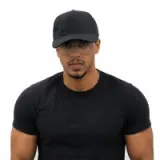
Ehsan Ellahi is building an agency focused on e-commerce and TikTok Shop management. Ellahi's posts discuss using creator content, affiliate marketing, and product demonstrations to help brands test what drives customer interest and sales.
Ehsan Ellahi is most useful for practical TikTok Shop creator-program design, brief templates, and angle testing.
Best for
A DTC brand with a demonstrable product that wants a repeatable TikTok Shop creator program.
Not for
A campaign needing mass reach, guaranteed viral sales, or benefits not demonstrable on camera.
Key takeaways
Use a 30 to 45 second structure: problem, demonstration, objection.
Give different creators distinct roles instead of repeating the same script.
Treat creators as an extension of the sales team, not a one-off expense.
Check first: Ask for client results, current audience analytics, scope, pricing, content ownership, and turnaround.
Main ideas
Earn attention with useful product demonstrations · Use creators to test different stories, not repeat one script · Give creators a reason and a lived-in story, not just product features
Ehsan Ellahi writes about TikTok Shop, e-commerce and creator marketing, and says they are starting an agency focused on this work.
Their posts argue that brands should make products worth watching rather than chase algorithm tricks: show a customer-recognisable problem, demonstrate a benefit and answer a buying objection.
Follow their work for practical ideas on briefing creators and testing different product angles, alongside a public account of building an agency.
Ellahi connects specific video campaigns to a repeatable creator-testing process.
In one post, they suggest a 30–45 second structure—problem, demonstration, objection—and propose giving different creators distinct roles rather than repeating the same script.
The advice shows how brands can learn from creator content, not just publish more of it.
Another post adds a storytelling perspective.
A post using TikTok shopping statistics, however, gives no study source, date or sample, so check its figures before use.
Ask for client results before treating this advice as evidence of campaign performance.
Ehsan Ellahi argues that TikTok Shop works best when brands make products worth watching, give creators distinct jobs, and learn from audience response.
Read more
Their posts connect that practical testing approach with a more emotional view of creator storytelling and a systems-minded approach to building an agency.
Earn attention with useful product demonstrations
Ellahi rejects the idea that brands can win through an algorithm trick or by simply posting more ads.
Read more
For products that can be shown on camera, they recommend giving viewers a reason to stop: make the customer’s problem recognizable, demonstrate the benefit, and answer a buying objection. The aim is to create interest, not just increase output.
They sketch a 30–45 second video that moves from a familiar problem to a visible product benefit, then addresses a reason someone might hesitate to buy.
Use creators to test different stories, not repeat one script
Ellahi sees creators as an extension of a brand’s sales effort because they bring different audiences, use cases, and ways of explaining the same product.
Read more
More posts help only when they create opportunities to test distinct angles and learn from the response; identical videos do not automatically create demand.
They assign different creators different roles: one shows how a product works, another explains who it is for, and another answers an objection the product page missed. The cycle is to find creators, test angles, learn, and repeat what works.
Give creators a reason and a lived-in story, not just product features
Ellahi also frames creator content as storytelling.
Read more
A creator can place a product in daily life and connect it to a feeling, but they say brands need to guide that work: explain why the product matters and how it fits a lifestyle. This complements their demonstration-led advice with a more emotional account of why someone might want the product.
In a TikTok Shop post, they say creator guidance should help creators show the product’s underlying reason, its place in everyday life, and what an audience might feel it is missing without it.
Treat agency building as a system to work through in public
In announcing an agency, Ellahi connects their computer-science studies with e-commerce operations: both involve breaking complex problems into parts and improving how they work.
Read more
They present building the agency as an ongoing process to document, rather than claiming the launch itself proves results. This shifts their posts from advice about brand content to a stated priority: building the systems behind the work.
They name landing first clients, setting up backend infrastructure, handling rejection, and scaling as parts of the process they intend to share.
This is the clearest answer to “what does this person do?”
Read more
Start here to understand the role being offered before reading any tactical posts.
Ehsan Ellahi writes that they have spent three years in e-commerce and TikTok Shop management while finishing a computer science degree.
They frame that combination as one skill set: logic, optimisation, and breaking complex systems into working parts.
They are starting their own agency and will document the process publicly, including the unglamorous parts — landing first clients, setting up backend infrastructure, handling rejections.
It is a statement of intent, not a record of results.
For brands planning a campaign
A brand hiring on this post is buying agency services, not creator content.
Expect work on affiliate and creator workflows, account infrastructure, and testing loops.
Before committing, ask for named client outcomes and live creator programs; the post announces a track record but does not show it.
Answers “what would this person actually do for a brand?”
Read more
It is the most operational post in the set, with a video structure and program model a reader can evaluate immediately.
Ellahi argues that TikTok Shop performance comes from giving people reasons to stop and watch, not from a platform hack.
They redirect the usual brand question from “how do we make the algorithm push our product?” to “how do we make our product worth watching?”
For demonstrable products, they lay out a 30–45 second structure: show a problem the customer recognises, demonstrate the benefit instead of listing features, and answer one purchase objection.
They then extend this approach to scale: in-house teams can only produce so much, so creators should be treated as an extension of the sales team, with different creators covering different angles, audiences, and objections.
Volume is for testing angles, not posting identical videos; the loop is to find creators, test angles, learn from response, and repeat.
For brands planning a campaign
This doubles as a brief template and a program design.
Assign different creators different jobs — demonstration, audience explanation, objection handling — rather than repeating one script across accounts.
Measure which angles draw a response, not how many posts go live.
If a brand wants one hero video rather than an ongoing creator roster, this approach is a poor fit.
Answers “what do they think makes creator content convert?”
Read more
Read it to see the briefing philosophy behind the more tactical posts and whether it matches how your brand wants creators to talk.
The post frames TikTok Shop as a stage for storytelling and creators as the storytellers: a creator does not just show a product, they fit it into their daily life and attach feeling to it, which the post credits with driving the add-to-cart moment.
Ellahi also puts the responsibility on the brand to guide creators — help them highlight the reason the product exists, show how it fits a lifestyle, and make an audience feel they would miss out.
The post closes by asking readers how they use creators to tell a brand story, a consulting-style prompt rather than a finished recommendation.
For brands planning a campaign
Expect creator briefs built around emotional territory and use-case fit rather than feature lists and scripts. That suits brands willing to let creators adapt the message and spend time briefing them; it fits less well where legal or category rules require tightly controlled wording.
Answers “how do they make the case to a sceptical brand?”
Read more
A short read that shows the opening argument and how carefully its numbers hold up.
Ellahi assembles survey-style figures — 71.2% of users buying from in-feed discoveries, 58.2% seeking shopping inspiration, 47.9% gathering product details, 44.7% trusting influencer recommendations, 39.1% searching for products, 37.1% relying on in-app friend suggestions — and concludes that brands should invest in content-driven strategy: engaging video, influencer collaboration, and viral product moments. The figures are attributed only to “a recent study,” with no source, date, or sample described.
For brands planning a campaign
Useful as a framing device for an internal pitch, not as a citable source.
Ask for the underlying study before putting any of these numbers in a deck or budget rationale.
The arguments draw on published research and platform behaviour, not only account results, but the evidence needs scrutiny.
Make the product worth watching instead of chasing the algorithm
In a post on TikTok Shop performance, Ellahi argues that brands asking how to make the algorithm push their product are asking the wrong question.
Read more
The better question is how to make the product worth watching.
Posting more ads does not create more interest, and piling up identical videos generates volume without demand.
Volume still matters as a way to test opportunities and learn what works.
Build a repeatable loop: find strong creators, test different angles, learn from audience response, and repeat what works.
For brands planning a campaign
Plan creator output as a portfolio of experiments, with each review shaping the next round of briefs, rather than treating creator spend as a one-off campaign. Assign someone to own the read-out between rounds.
Short demonstration videos built on problem, benefit, and objection
Ellahi lays out a structure for 30- to 45-second product videos: show a problem customers recognize, demonstrate the benefit instead of listing features, and answer an objection that might stop someone from buying.
Read more
They frame this as the practical answer to why anyone should stop scrolling.
Three beats per video: the recognizable problem, the demonstrated benefit, and the answered objection.
This approach works best for products that can be demonstrated on camera; ask how it would translate to categories whose value is hard to show in under a minute.
For brands planning a campaign
This offers brands a concrete creator brief template for demonstration-led products. Require all three beats, but let creators choose how to deliver them, keeping angles varied while holding the sales job constant.
Creators as an extension of the sales team, not a campaign expense
Ellahi argues that a single brand account can offer only so many perspectives, while different creators bring different audiences, use cases, questions, and ways to tell the same product story.
Read more
One shows how it works, another explains who it is for, and another answers an objection the product page missed. They see this as why creator programs scale where in-house content cannot.
For brands planning a campaign
Budget for a roster of creators with distinct jobs rather than repeating one script across many accounts. In each brief, name the gap the creator should fill—proof, audience fit, or objection handling, for example—so the roster covers buying questions the product page leaves open.
Coach creators on why the product matters and how it fits their lives
In a separate post, Ellahi frames TikTok Shop as a stage for storytelling and creators as the storytellers who bring a brand to life by weaving products into their daily lives and attaching emotion to them.
Read more
They put the responsibility for guiding creators on the brand: help them highlight the reason behind the product, show how it fits their lifestyle, and make their audience feel they would be missing out.
Give creators the product's underlying reason and lifestyle fit, not just its specifications, and treat the resulting feeling as a driver of the add-to-cart moment.
For brands planning a campaign
Build a short creative guide covering the product's reason for being, real usage situations, and the stakes of not having it, then let creators adapt it. This low-cost step also makes output easier to compare across accounts.
Content-driven strategy argued from TikTok shopping figures
Ellahi cites survey percentages on TikTok shopping behavior: 71.2% of users purchased from in-feed discovery, 58.2% sought shopping inspiration, 47.9% gathered product details, 44.7% trusted influencer recommendations, and 39.1% actively searched for products.
Read more
They conclude that brands should focus on content-driven strategy, influencer collaboration, and viral product moments to convert viewers into customers.
The post does not name the study, its sample, or its date. Ask Ellahi for those details before relying on the figures.
For brands planning a campaign
Useful as a supporting argument for TikTok Shop content and influencer investment: it connects platform spend to stated buying behavior. Check the figures against the underlying study before using them in a client-facing deck.
An operator's approach: systems thinking and building in public
In a post announcing an agency launch, Ellahi describes spending three years in e-commerce and TikTok Shop management while finishing computer science studies.
Read more
They say creator data, affiliate workflows, and conversion loops pose the same kinds of problems as software: logic, optimization, and breaking complex systems down until they work. The post commits to publishing unedited logs of landing first clients, setting up backend infrastructure, handling rejections, and scaling.
Build in public: publish the operating reality alongside the results, including rejections and infrastructure work.
For brands planning a campaign
A brand engaging this agency early should expect process-level transparency and a partner still assembling its client base and systems. That favors a scoped pilot with clear checkpoints over a large retainer taken on faith.
The posts disclose no sponsorship, affiliate, client, employment, or investment relationship between Ellahi and any brand.
Read more
Their advice centers on TikTok Shop. In one post, they say they are building their own agency, but do not name it; ask for the business name before assessing any relationship with a company.
TikTok Shop
Mention
Ellahi's posts treat TikTok Shop as the marketplace they advise brands on: giving shoppers a reason to stop and watch, using creator-led demonstrations and affiliate workflows, testing different content angles, and repeating what the audience responds to.
Read more
The posts explain how brands should work on the platform, but disclose no commercial relationship with TikTok, sponsored placement, or partner label.
Ehsan Ellahi's posts make the case for how brands should use creators on TikTok Shop and chronicle the agency being built to do that work.
Read more
Start with the post on making a product worth watching rather than chasing the algorithm: it lays out the 30–45 second problem–benefit–objection structure for demonstration-friendly products and explains why a roster of creators with different assigned jobs beats repeating one script.
Pair it with the storytelling post, which adds the brand's job of giving creators the reason behind a product and its place in daily life.
Two other threads show how the thinking is developing: a set of TikTok shopping statistics used to argue for content-led strategy, and the agency-launch post on systems thinking and documenting the process in public, including rejections and infrastructure work.
Across the four, the practical advice is consistent; the emotional framing of creator storytelling complements rather than competes with it.
All four are text posts, with no video, campaign data or client case study to assess the methods.
Ask for campaign data or a client case study before judging how they perform in practice.
Akbar also tackles the core question Ellahi raises: why TikTok Shop behaves differently from earlier ecommerce and what brands should do about it.
Read more
They argue that the platform can create demand, not just capture it; that content, creators, community and the listing have to work together; and that winning content falls into problem–solution, demonstration and creator-review categories — close to Ellahi's problem–benefit–objection beats and creator roles.
Akbar explains the commerce shift and the content types it calls for.
Ellahi goes further into staffing and operations, assigning named jobs to individual creators and treating the roster as an extension of the sales team.
They also post about building the agency behind the work, rather than how the platform itself has changed.
Siddique covers the operational side of the problem Ellahi describes when they say creators should be treated as long-term growth partners: recruiting and seeding creators, checking that samples turn into posts, writing simple briefs, following up and building an affiliate system that keeps producing content.
Read more
Both treat creator programs as a repeatable process, not a one-off campaign spend.
Siddique writes as a service provider, listing the account management, listing, compliance and outreach work their team sells.
They report a monthly GMV figure for a managed store and provide contact details.
Ellahi's posts are idea-led and present neither client results nor a service menu.
Anas is a useful next read for the recruitment loop Ellahi points to but does not detail.
Read more
They set out a scalable creator acquisition process — find, filter, invite, sample, track — and recommend targeting relevant creators rather than sending more messages, giving creators a framework instead of a script, and tracking shop performance across GMV, customers and orders.
Anas focuses on performance metrics and outreach volume, reporting shop figures and a recruitment target, and offers a template for the creator outreach process. Ellahi's angle is creative rather than reporting-led: giving creators distinct stories to tell and making products worth watching.
Ehsan Ellahi's posts are written for brand-side ecommerce and TikTok Shop operators, not general consumers.
Read more
For a DTC brand assessing TikTok Shop creator strategy, they offer relevant operator-facing thinking, but do not prove the audience includes the buyers, creators, or affiliates a campaign needs.
The only published audience figure is a LinkedIn follower count of about 2,331, observed on 2026-10-09.
Recurring topics include TikTok Shop content, creator-led product storytelling, affiliate workflows, and agency building.
Before treating the audience as a distribution channel, ask for recent LinkedIn analytics on comparable TikTok Shop and creator-strategy posts, including impressions, engagement, follower demographics, and whether followers are primarily brand employees, creators, or service providers.
If a campaign requires direct reach to DTC decision-makers, ask for evidence of that reach.
The posts state no formal partnership or sponsorship offer from Ehsan Ellahi.
Read more
They show Ehsan running and promoting TikTok Shop and e-commerce work, and set out the creator relationships they recommend, but provide no rate card, service menu, sponsor policy, eligibility terms, or booking route.
Two posts describe the operating model: treat creators as an extension of the sales team, not a one-off campaign expense; use several creators to test different angles on the same product; and guide creators on a product’s purpose, how it fits a real lifestyle, and why an audience would act.
A March 2025 post frames TikTok Shop as a storytelling channel and warns brands not to assume creators can carry a product without direction.
In the most recent post, from September 2026, they say they are starting a personal agency and will post openly about landing clients, building backend infrastructure, and handling rejections.
That is an agency they are building, not a documented sponsorship format.
Buyers should ask directly about scope, pricing, content ownership, and turnaround; no package or commercial terms are listed, so expect a per-project arrangement.
A DTC brand with a demonstrable product that wants to build a repeatable TikTok Shop creator program is a strong fit for the thinking Ehsan Ellahi sets out.
Read more
The most operational post gives a 30–45 second video structure — show the problem the customer recognises, demonstrate the benefit instead of listing features, answer one purchase objection — and then extends that into a creator roster model: different creators cover different audiences, use cases, questions, and objections, so the brand learns which angles make people stop and buy.
They argue creators should be treated as an extension of the sales team rather than a one-off campaign expense, and that volume is for testing angles, not for posting identical videos.
A second post adds the briefing philosophy: guide creators on why the product exists, how it fits a real lifestyle, and why an audience would miss it.
The September 2026 agency-launch post shows this is also the service being built: affiliate and creator workflows, backend infrastructure, and a documented operating process.
For a brief that needs creator-program design, brief templates, angle testing, and an operator who is thinking in those terms, the fit is close.
No published package, rate card, or inquiry route is documented, so ask about scope, pricing, content ownership, and turnaround.
The measured audience is a LinkedIn follower count of about 2,331; ask for current audience analytics if shopper reach matters.
When to choose a specialist
A campaign aimed at one creator delivering mass consumer reach or guaranteed viral sales is a poor fit.
Read more
The only measured audience figure is a LinkedIn follower count of about 2,331, and Ehsan Ellahi's posts do not say that those followers are DTC buyers, creators, or affiliates a campaign could convert.
The posts are operator-facing commentary and service thinking, not a consumer media property.
The partnership section documents no sponsorship formats, no rate card, no eligibility terms, and no booking route, so a brand cannot select a packaged creator placement or assume a listed sponsorship offer exists.
A second poor-fit case is a product that cannot be demonstrated on camera within roughly 30–45 seconds, or a category that requires tightly controlled legal wording.
Their video structure assumes the benefit can be shown and one objection answered in that window, and their coaching model asks brands to let creators adapt the message, which sits badly with scripts that cannot be varied.
A brand that wants one hero video rather than an ongoing test-and-learn roster would also be working against the model they describe.
A worked campaign example
Worked hypothetical campaign: a DTC stain-removal spray brand wants more TikTok Shop sales but has been posting the same product demo across several accounts with weak results.
The campaign angle would be a six-to-ten creator roster, each with a named job rather than the same script.
One group shows the problem: coffee or sauce on a shirt, with the recognisable moment of thinking the garment is ruined.
A second group explains who the product is for — parents, commuters, people who eat at their desk — and fits it into ordinary use.
A third group handles the objection the product page misses: whether it bleaches fabric, leaves a smell, or works on set-in stains.
Ask each creator to make a 30–45 second video with three beats: the problem, the demonstrated benefit, and the answered objection.
Supply the product’s reason for existing, real usage situations, and why someone would feel the loss without it, then let creators adapt the wording.
Run the first round as a test, not a volume play.
After two weeks, review which angle drew saves, add-to-cart taps, and specific buying questions in comments.
Take the winning angle into the next round of creator directions and widen it across more creators.
The measurable goal is not how many videos went live; it is which angle made the product worth watching and whether that angle repeated.
Before hiring Ehsan Ellahi for this, ask directly for scope, pricing, content ownership, turnaround, and any named client outcomes; their posts do not document those.
If the brand also needs proven reach into DTC buyers, ask for current LinkedIn analytics and audience composition.
Shahbaz Akbar is the stronger choice when a brand first needs to rethink TikTok Shop before scaling creator work.
Read more
The posts argue that TikTok Shop is not old e-commerce with video: traditional e-commerce captures existing demand, while TikTok Shop can create it through a creator showing a product in a real situation, comments answering doubts, another video building trust, and a live giving a final push.
They also offer a compact content framework: problem-solution content creates attention, product demonstrations build understanding, and creator reviews drive purchases.
For a brand treating TikTok Shop as another ad channel or simply posting more product videos, that diagnosis is a useful first step.
Choose Shahbaz Akbar when the main job is to reset the strategy and organise content around those three buckets, especially if the brand wants to stop waiting for search demand and give viewers a reason to want the product before they search.
The tradeoff is operational depth in creator program management.
Shahbaz Akbar's posts explain why the system works and which content categories belong in it, but not how to source creators, follow up on samples, structure affiliate incentives, build a roster, brief creators, or review performance.
Ehsan Ellahi is more specific about the operating details: a 30–45 second video structure, a roster covering different audiences and objections, and a briefing philosophy built around why the product exists.
A brand that accepts the demand-creation argument but needs a creator program built should ask for a plan covering sourcing, follow-up, incentives, and performance review.
Abu Bakar Siddique is the stronger choice when a brand wants an operator to manage its TikTok Shop and creator pipeline as a connected service, rather than provide only a strategy or creator-angle framework.
Read more
The posts present TikSale as covering account and store management, winning product research, listing and SEO optimisation, creator and affiliate recruitment, creator outreach and product seeding, affiliate campaigns, content and video management, order and customer management, category approvals, policy compliance, violation and listing issue resolution, performance tracking, and creator-led GMV scaling.
They also state that sending free samples is easy, while getting creators to post, stay active, and consistently drive sales is the hard part.
The recommendations are clear creator incentives, simple content briefs, consistent follow-up after samples, genuine relationships with top creators, help for promising smaller creators, and rewards for creators who drive results.
For the same DTC TikTok Shop creator-strategy decision, choose Abu Bakar Siddique when the brand needs a full-service partner to run the creator ecosystem and surrounding shop operations, including cold-start outreach and product seeding.
The posts claim one managed store generated $30K+ monthly GMV through creator-led and performance-focused strategies.
The tradeoff is specificity about how the creator strategy produces results.
Abu Bakar Siddique's posts give a broad service list and one aggregate GMV claim, but do not show the briefs, creator selection logic, content angles, attribution method, or named client behind that figure.
Ehsan Ellahi's posts are narrower but more concrete about the creative brief: show the customer's problem, demonstrate the benefit, answer a purchase objection, and use different creators to test different angles.
A brand that wants to understand or own the testing method may get less from the Abu Bakar Siddique material, even though the service scope is wider.
Before hiring, ask for engagement terms, team structure, and client outcomes.
Syed Anas is the stronger choice when the priority is a repeatable affiliate and creator recruitment pipeline, especially in sports and fitness, or when the brand wants to manage TikTok Shop growth against shop-level performance metrics.
Read more
One post sets out a recruitment system: target relevant creators with the right audience, automate find-filter-invite-sample-track, follow up consistently without spamming, give creators a framework rather than a script, and track what actually drives content and sales.
It frames the goal as a repeatable creator acquisition system, not sending more DMs, and offers a creator outreach framework for commenters.
The other post reports a seven-day shop snapshot with GMV, customers, SKU orders, and visitors, and argues that sustainable growth is not just more traffic but turning traffic into customers, orders, and profitable GMV while watching returns, negative reviews, and orders awaiting shipment.
For the same campaign decision, choose Syed Anas when the brand's bottleneck is recruiting the right creators at volume and measuring the shop result, particularly for a sports or fitness product.
The tradeoff is depth in creative angle strategy and proof.
Syed Anas's recruitment post gives a process and a sports-and-fitness example of recruiting 500 affiliates a month, but not the outreach framework or client results behind that number.
The performance post is a single seven-day shop snapshot, not a campaign case study.
Ehsan Ellahi's material goes further on how to brief a creator for a demonstrable product: the 30–45 second structure, the objection to answer, and a roster covering different audiences and buying questions.
A brand that needs a repeatable recruitment engine or metrics discipline should consider Syed Anas; one that needs creative test design inside that engine should pair it with the Ehsan Ellahi approach or another specialist.
Ask Syed Anas for the outreach framework and client results behind the recruitment figure.
This profile draws on four complete LinkedIn posts by Ehsan Ellahi dated 2025–2026.
The posts cover TikTok Shop creator strategy, a 30–45 second problem–benefit–objection video structure, creator roles in a testing roster, creator coaching and storytelling, TikTok shopping statistics, and the launch of an ecommerce agency.
The page also covers focus, ideas, brand mentions, similar creators, audience and campaign fit; those sections draw on the same four posts and comparison posts by three other creators.
Ehsan Ellahi's posts do not include video transcripts, campaign results, client case studies, engagement metrics, audience demographics, a media kit, a rate card or a sponsor policy.
The only measured audience figure is a LinkedIn follower count of about 2,331 observed on 9 October 2026, which does not show who those followers are.
One post attributes behavioral percentages to an unnamed study, and the posts do not say whether those percentages were checked against the original.
Statements about method reflect how Ellahi describes the work, not measured outcomes.