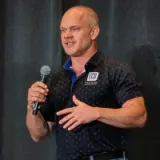
Zak Cassady-Dorion works in DTC ecommerce marketing, with a focus on retention and planning for Black Friday and Cyber Monday. Zak also speaks and hosts the DTC Revenue Rocket podcast.
Zak Cassady-Dorion works in DTC ecommerce marketing, speaks at industry events, and hosts the DTC Revenue Rocket podcast.
Their LinkedIn posts focus on preparing for Black Friday and Cyber Monday (BFCM), retention, and practical ways to make campaign work stand out.
They argue that BFCM results are shaped weeks before the event, pointing to specific preparation: checking email flows and deliverability, refining audiences and the site, and planning direct mail before and after Cyber Monday.
Their posts also feature podcast conversations and examples from ecommerce businesses.
Ask whether a book, earlier work, or another signature project is central to why people search this name.
Zak’s strongest contribution in these posts is turning seasonal ecommerce advice into concrete decisions and timelines.
The BFCM panel announcement lays out work to do before the peak, while the MyBFCMSpace post uses a specific throwback campaign to show why another generic BFCM email may not stand out.
A podcast post frames direct mail as a channel to test, with segmentation and incrementality measurement as practical considerations.
Together, these examples offer more than broad claims about growth or retention.
The Retail Club post is mainly an event scene that names contacts, with little guidance readers can apply.
These posts present Zak as a practitioner and host who connects ecommerce planning with examples and industry conversations.
Ask for a fuller account of the range and history of their work.
Zak Cassady-Dorion’s posts make a practical case for preparing early for Black Friday and Cyber Monday, finding a more distinctive idea than the standard seasonal email, and giving new retention channels a fair test.
Read more
They also share operator conversations with concrete lessons about ecommerce and AI.
Do the peak-season work before the peak
Zak argues that Black Friday results are decided weeks in advance.
Read more
The six-week plan in the panel announcement covers email flows, deliverability, audience segments and site checks before the rush, followed by direct mail after Cyber Monday to encourage another purchase. The focus is on getting specific work done ahead of time, not waiting for the event to fix a weak plan.
The panel announcement lays out a before-during-and-after plan for the busiest retail weekend, from flow audits to postcards after Cyber Monday.
Zak sees sameness as a creative problem: if every brand sends the same BFCM email, another tips list is unlikely to stand out.
Read more
They praise a MySpace-inspired campaign where brands could create profiles and share content—a recognizable format people can take part in, rather than another generic seasonal post.
Zak highlights MyBFCMSpace, with profile features such as “about me,” “top friends” and a pinned blog entry. Their profile featured Klaviyo and a podcast episode.
Zak’s BFCM panel announcement connects email and SMS preparation with a post-purchase question: how can a first order become a repeat order?
Read more
A separate podcast post promotes direct mail credits from PostPilot and repeats guest Ben Walter’s advice not to underspend on a new channel. Together, the posts suggest testing direct mail as part of retention planning; the offer comes from a vendor featured on the podcast.
The panel announcement mentions postcards after Cyber Monday. A podcast post describes PostPilot’s offer of 1,500 card credits, along with campaign setup, segment recommendations and incrementality tracking.
In a September recap, Zak writes, “Don’t let AI scare you.
Read more
Let that excite you.”
The post also shares Nick Selman of Shoplift’s warning that being “confidently wrong” is dangerous in ecommerce.
Zak’s BFCM panel announcement presents Klaviyo’s AI agent as a way to audit flows and build campaigns faster.
Together, the posts pair enthusiasm for AI with Selman’s reminder to take care when it affects the customer experience that drives revenue.
Zak’s recap attributes the “confidently wrong” warning to Nick Selman, not another guest. The BFCM panel post names flow audits and campaign building as uses for Klaviyo’s Composer.
This post lays out the planning thesis behind Zak's other posts: what a DTC team should fix before Black Friday, and how early.
Read more
Zak argues that BFCM results are already being decided around mid-October: Black Friday lands six weeks after October 15, and by then the deciding work is either done or it isn't.
The post promotes a free one-hour panel Zak moderates with Gilbert Hsu of Klaviyo and Ben Walter of PostPilot, billed as "BFCM Starts Now: Your 6-Week Game Plan."
The agenda is specific: use Composer, described here as Klaviyo's AI marketing agent, to audit flows and build campaigns faster; make deliverability, segment, ad audience, and site changes now so nothing breaks at peak; and start direct mail now, then use postcards after Cyber Monday to turn new buyers into repeat customers.
For brands planning a campaign
A brand could ask for a pre-peak workshop built around the same three-part checklist: flow and deliverability readiness, audience and site prep, and a direct-mail cadence that continues after Cyber Monday. The co-presenters also show who Zak tends to work alongside, helping brands decide whether to book a solo briefing or a joint session.
The post sketches a working month of speaking engagements, an industry event, and podcast guests, while highlighting the themes Zak returns to.
Read more
The post runs through a month of activity: speaking at K:BOS, Klaviyo naming ECD Digital Strategy Agency Partner of the Year for the Americas, and travelling to California for Retail Club with the Klaviyo team.
Season two of the podcast opened with Ben Walter of PostPilot interviewing Zak, where Zak repeats a position on AI — don't let it scare you, let it excite you.
Three guest takeaways are quoted: Nick Selman of Shoplift on "confidently wrong" being a dangerous place to be in e-commerce, especially when AI touches the part of the experience that makes money; John Roman, who sold BattlBox in 2021, bought it back in 2023 after a SPAC crash, and whose team found $25,000 in inventory that had been sitting unlisted; and Jeff Beacher, building an AI chief of staff for Hollywood, described as working on "the meat and potatoes, the stuff that makes everything run."
The post closes with a teaser about something that happened ten years ago.
For brands planning a campaign
The award and event schedule offer the clearest evidence of Zak's standing among Klaviyo's agency partners, useful when a brand is deciding whom to bring in. The guest themes — AI caution, inventory and operations detail, and retention mechanics — point to areas where a partnership conversation could be substantive.
A specific example of how Zak judges creative work, and of the cross-promotion the podcast and agency take part in.
Read more
Zak opens with a blunt claim: every brand is about to send the same BFCM email.
The counterexample is PostPilot's MyBFCMSpace, a working MySpace-style throwback where brands and agencies get a profile heading into Q4 — about me, top friends, latest blog entry, the whole thing.
Zak notes that ECD's own page is live, Klaviyo is among its top friends, and an episode of DTC Revenue Rocket with Gilbert Hsu is pinned to it.
The stated lesson: standing out in Q4 takes this kind of creativity, not another listicle.
For brands planning a campaign
For a brand stuck on generic Q4 messaging, the argument is not that a campaign should be whimsical, but that peak-season send plans need a differentiating idea before the inbox fills up. The post also documents a live joint appearance by ECD, Klaviyo, and PostPilot that a brand could cite when discussing co-marketing.
The post shows how to frame a channel test for an audience and offers a concrete starting point for brands weighing direct mail.
Read more
Ben Walter came on the podcast with 500 PostPilot card credits for listeners and tripled the offer to 1,500 during the recording, toward a first direct mail campaign.
The post says PostPilot builds the campaign, recommends the segments that work best, and tracks results with incrementality testing.
Zak sums up the episode with one maxim: don't underspend on a new channel.
The tone is deliberately informal — Walter "put his postcards where his mouth is."
For brands planning a campaign
The post presents direct mail as a testable retention and reactivation channel, not just a top-of-funnel tactic.
It names segment recommendations and incrementality measurement as the elements that make a test readable.
A brand could use it to shape a small, bounded direct-mail pilot, and as an example of a podcast partnership bundled with a usable offer.
The most personal of the five posts, showing where Zak turns up in person and who they spend time with.
Read more
Zak describes standing on the green turf boardwalk in Huntington Beach, the moon already out as the sun dropped behind the Klaviyo stage, during Retail Club — three days wearing the badge throughout and catching up with Joan Morales, Pete Sibley, Christopher Di Censo, Stephanie Condon, and Eric Verso between food trucks and sessions.
The post ends with Zak already circling next year's dates.
It captures the event and the people Zak spent time with.
For brands planning a campaign
This is relationship and presence evidence — Klaviyo's event circuit and a named circle of industry contacts — rather than campaign guidance. To assess Zak's method, ask for a relevant case study or campaign example.
Retention through lifecycle flows and post-purchase direct mail2
AI in ecommerce: useful for speed, dangerous when confidently wrong2
BFCM planning on a six-week clock1
Standing out in a crowded BFCM inbox1
BFCM planning on a six-week clock
Zak treats Black Friday and Cyber Monday results as decided weeks before the weekend, describing Black Friday as landing six weeks after October 15.
Read more
The work falls into three phases: before, during, and after.
Before peak, audit flows and prepare deliverability, segments, ad audiences, and site changes so nothing breaks.
After Cyber Monday, use direct mail to turn new buyers into repeat customers.
Each task is tied to a place on the Q4 calendar.
Free live panel featuring platform and vendor guests, promoted with a defined agenda of specific pre-peak tasks.
For brands planning a campaign
A workshop built around pre-peak, peak, and post-peak phases gives a DTC team a sequencing plan it can use immediately. The six-week timeline makes the case for scheduling it in early October, not November.
Zak argues that most brands send the same Black Friday email and points to PostPilot's MyBFCMSpace campaign—a MySpace-style profile page for brands and agencies—as an example of Q4 creativity beyond another tips post.
Read more
Their page in the campaign features Klaviyo and a pinned podcast episode, showing the concept from inside the campaign.
For brands planning a campaign
For a brand worried about blending into peak-season noise, this is a concrete example of a partner-led creative concept. Ask Zak to pressure-test whether your Q4 idea is distinctive enough to stand out in a crowded inbox.
Retention through lifecycle flows and post-purchase direct mail
Zak connects retention to two practical tasks: auditing email and SMS flows, and using postcards after Cyber Monday to turn first-time buyers into repeat customers.
Read more
They argue that brands underinvest in direct mail and that a new channel should not be funded at a token level. Segment selection and incrementality tracking are part of the campaign, not add-ons.
Teaches through vendor episodes and campaign offers, including a listener credit for a first direct mail campaign, rather than abstract retention theory.
For brands planning a campaign
This supports a retention engagement built around lifecycle flows and a post-purchase direct mail test, with success measured by incrementality rather than attributed revenue alone.
AI in ecommerce: useful for speed, dangerous when confidently wrong
Zak's stated position is not to let AI scare you, but to let it excite you.
Read more
They also relay Shoplift's Nick Selman's warning that being confidently wrong is dangerous in ecommerce, especially when AI affects the experience that produces revenue. Elsewhere, Klaviyo's AI marketing agent Composer is presented as a way to audit flows and build BFCM campaigns faster: use AI to speed up operational work, but be cautious with customer-facing work.
The caution about AI comes from a quoted guest, not Zak's own analysis. Present it as Zak's framing alongside a guest's warning, rather than as a single unified claim.
For brands planning a campaign
Zak can help a brand distinguish AI uses that save internal time from those that risk the buying experience—a more decision-useful framing than a general AI adoption talk.
Zak hosts the DTC Revenue Rocket podcast, featuring guest operators Ben Walter of PostPilot, Nick Selman of Shoplift, John Roman of BattlBox, and Jeff Beacher building an AI chief of staff.
Read more
Recap posts highlight specific numbers: BattlBox sold in 2021, bought back in 2023 after a SPAC crash, and found $25,000 in inventory sitting unlisted. Zak also appears in person at industry events such as K:BOS and Klaviyo's Retail Club.
Ask for full episode access or transcripts before commissioning a format that depends on the depth of the underlying conversations.
For brands planning a campaign
A brand can commission or sponsor a practitioner interview or fireside chat in which a guest operator explains a specific operational fix, rather than deliver a straightforward product pitch.
Zak's brand relationships center on Klaviyo and PostPilot.
Read more
Klaviyo is the recurring thread: the agency ECD Digital Strategy was named Klaviyo's Agency Partner of the Year for the Americas, they moderated a Klaviyo/PostPilot BFCM panel, appeared at Klaviyo's Retail Club, and hosted Klaviyo's Gilbert Hsu on the DTC Revenue Rocket podcast.
PostPilot appears through podcast guest Ben Walter, a listener offer of direct-mail card credits, and the MyBFCMSpace campaign.
Shoplift is a podcast-guest mention.
Ask whether they own or are employed by ECD Digital Strategy, and what sponsorship terms, contracts, or payment arrangements apply.
Klaviyo
Disclosed partnership
Klaviyo is the brand Zak's work most consistently ties to.
Read more
In a September recap, they write that Klaviyo named ECD Digital Strategy Agency Partner of the Year for the Americas after they spoke at K:BOS, and that they then flew to California for Klaviyo's Retail Club.
They moderated a free October 15 live panel, "BFCM Starts Now: Your 6-Week Game Plan," with Klaviyo's Gilbert Hsu and PostPilot's Ben Walter, covering Klaviyo's AI marketing agent Composer.
Hsu also appears on the DTC Revenue Rocket podcast episode pinned to ECD's MyBFCMSpace page, and Klaviyo sits in that page's top friends.
Ask what their role is at ECD Digital Strategy and what terms govern the Klaviyo relationship.
PostPilot appears through the podcast and a BFCM campaign.
Read more
Ben Walter of PostPilot opened Season 2 of the podcast by putting them in the hot seat.
PostPilot offered listeners 500 direct-mail card credits on that episode, which Walter raised live to 1,500 cards—credits PostPilot builds, targets by segment, and tracks with incrementality.
PostPilot also created MyBFCMSpace, a MySpace-style throwback where ECD's profile is live.
They co-hosted the October 15 BFCM panel alongside Walter.
Ask whether the guest appearance, listener offer, and joint campaign involved a fee or ongoing commitment.
Nick Selman of Shoplift appeared on the podcast, and Zak relays Selman's line that "Confidently wrong is a really dangerous place to be in e-commerce," especially with AI touching the buying experience.
Zak Cassady-Dorion works on ecommerce retention and peak-season planning.
Read more
Start with the Black Friday and Cyber Monday planning material: it lays out a six-week countdown of flow audits, deliverability, segmentation and site checks, then points to postcards after Cyber Monday to turn first orders into repeat purchases.
The podcast and event posts feature guest operators describing how they run email, SMS and direct mail, including one episode that ends with a listener credit for a first direct mail campaign.
Recurring subjects include lifecycle email and SMS flows, direct mail as a post-purchase channel, and the careful use of AI in messages that touch the buying experience.
For other perspectives on these subjects, compare Ben Walter on the direct mail vendor and partnership side, Vira Sadlak on flow-agency mechanics, and Mike Gleba on running an agency and diagnosing weak Klaviyo setups.
Ben Walter's posts cover the same seasonal ecommerce work from the direct mail side: a Q4 partner digest reporting a record partner quarter, agency-ready documents for pitching and running direct mail, and the MyBFCMSpace BFCM campaign, which Zak also points to as creative that stands out.
Read more
Zak's podcast post about the listener credit for a first direct mail campaign makes the same case Walter does for not underspending on a new channel.
Walter writes from inside a direct mail vendor's partnership team, publishing partner digests, event schedules and channel offers; Zak's own post names that role. Their posts focus on podcast conversations, panels and strategy around Klaviyo and agency clients, rather than channel-partner organising.
Vira Sadlak's posts cover the same ground from the flow-agency side: BFCM preparation, including reviewing every flow that uses discount codes, keeping campaigns and automations consistent, using Klaviyo universal content blocks during the holiday rush, and adding price-drop and back-in-stock flows.
Read more
They also make the long-game case for treating email as a relationship channel rather than a sales spike, alongside Zak's argument that retention depends on lifecycle work done before peak.
Sadlak teaches step-by-step email and flow practice, sometimes with a podcast co-host, and focuses on automation mechanics and list health. Zak leans on operator interviews, live panels and event reporting, widening the frame to direct mail, agency positioning and AI.
Mike Gleba's posts describe the same Klaviyo-based retention problem from the agency side, including a diagnostic account of a brand doing about $8M a year with weak flows, missing foundational flows, no campaigns in the last year and under-10% Klaviyo attribution.
Read more
Zak's pre-peak checks are designed to catch those failures.
Gleba's material covers running and sustaining an agency, from community and remote teams to client conversations and a lost deal. Zak's posts centre on podcast episodes, industry events and platform-partner relationships.
The only measured audience figure stated in the posts here is Zak Cassady-Dorion's LinkedIn following: 2,483, as of 11 October 2026.
Read more
The five posts, published 29 September to 8 October 2026, are addressed to DTC ecommerce operators — pre-peak Klaviyo flow and deliverability work, a free BFCM planning panel with Klaviyo and PostPilot, a PostPilot direct mail credit offer, and a September recap covering a Klaviyo partner award and Retail Club.
That shows the intended audience is ecommerce practitioners on a professional network; it does not show who actually follows or reads.
No demographic, geographic, seniority, or industry breakdown is published in the posts here, and there are no reach, engagement, or podcast download figures, so follower count alone cannot establish that the audience contains DTC decision-makers rather than peers, agencies, and vendors.
For a campaign focused on retention and BFCM, the topics line up exactly, which makes the placement question narrow: is this a room of buyers or a room of fellow practitioners?
Concrete next step before committing budget: request LinkedIn follower demographics by job function, seniority, industry, and country; any audience survey results; and engagement or download data from a comparable BFCM or retention episode.
The brand activity described is collaboration with Klaviyo and PostPilot: a free BFCM panel moderated with both companies, a PostPilot guest episode of DTC Revenue Rocket with a listener card-credit offer, a PostPilot MyBFCMSpace profile, and Klaviyo naming ECD Digital Strategy Agency Partner of the Year for the Americas.
Read more
A buyer can explore podcast, event, or co-marketing collaboration. Confirm availability, pricing, terms, and booking steps directly; no public sponsorship policy, rate card, or partnership inquiry route appears in the posts.
Podcast guest or sponsored episode collaboration
Buyer requirement
A brand would need to provide a guest or spokesperson and, for a listener offer, an administrable incentive. Before planning a campaign, confirm whether the podcast sells sponsorships, along with episode pricing, production lead time, and offer-tracking terms.
Co-hosted live panel or event
Buyer requirement
The panel was free to attend and co-hosted with Klaviyo and PostPilot.
A brand would need to provide a speaker and topic and align on registration, promotion, and follow-up.
Confirm sponsorship inventory and costs with the hosts before planning.
Event presence and partner programming
Buyer requirement
Retail Club attendance is documented with Klaviyo, and the MyBFCMSpace profile is a PostPilot-hosted activation. Both appear partner-specific; ask the host brand whether similar placements are available.
A DTC ecommerce brand looking to improve retention and Black Friday performance is the strongest fit described in Zak Cassady-Dorion’s posts.
Read more
They argue that peak-season results are settled weeks before the weekend: Black Friday lands six weeks after October 15, so by then the deciding work is either done or not.
Their agenda is specific: audit flows inside Klaviyo’s Composer agent; address deliverability, segments, ad audiences, and site changes before traffic peaks; then send postcards after Cyber Monday to convert first-time buyers into repeat customers.
The direct-mail example includes the elements needed to read a test: PostPilot builds the campaign, recommends segments, and tracks incrementality.
They also argue against underspending on a new channel.
The commercial formats suit a campaign focused on retention and Black Friday performance.
They moderate a live panel alongside Klaviyo and PostPilot, host operator interviews on DTC Revenue Rocket, and work inside partner campaigns.
For a brand with a Q4 sequencing problem, a pre-peak session that produces a dated checklist is a direct match to the expertise on display.
Two conditions determine whether this is worth the budget.
Their LinkedIn following is 2,483, but no job-function, seniority, or industry breakdown is available; ask for audience composition to confirm that the people reached are DTC decision-makers rather than peers, agencies, and vendors.
Partnership terms are also unpublished: there is no rate card, media kit, or inquiry route in their posts, and the panel described was free to attend.
Ask directly for commercial terms before committing.
A weaker fit in the same family is a brand seeking only paid social creative, with no email, SMS, or lifecycle programme to fix.
Their posts focus on flows and owned-channel work, so such a brand would get less than one looking to improve retention.
When to choose a specialist
A B2B software company selling technical products—for instance, a data or developer-tooling vendor seeking demand generation among engineering leaders and planning to own a thought-leadership series—is a poor fit.
Read more
Their posts focus on DTC ecommerce: Black Friday and Cyber Monday planning, lifecycle flows, direct mail, Klaviyo’s partner ecosystem, and an ecommerce operator podcast.
They do not show work with software buyers, developer or technical audiences, or product-led demand generation.
A brand with that brief should ask for relevant examples before committing.
The formats also point elsewhere.
The collaborations described include co-marketing with platform and vendor partners, a free panel with Klaviyo and PostPilot, a PostPilot profile page, and appearances on Klaviyo’s event circuit.
A campaign seeking a single sponsor’s brand in independently produced editorial does not match a model built on joint appearances with partners.
The posts do not list sponsorship inventory, episode pricing, or booking steps.
Ask for those details before planning spend.
A fast-turnaround campaign is also a poor match for the panel format, which requires a topic, a speaker, and time to promote the session—not a two-week booking.
A platform vendor that already sells into ecommerce and wants to reach merchants through a joint session could still be a fit.
That uses the same operating model, rather than meeting a different need.
A worked campaign example
Campaign: a DTC brand with a steady email and SMS list that wants to improve retention and handle its next Black Friday better than the last one, with a named outside practitioner running the work.
Start with a pre-peak session in the first week of October rather than November: the six-week framing in their posts puts October 15 roughly six weeks before Black Friday.
Build the agenda around the three-part structure they use: audit flows inside Composer and fix what will break at peak; make the deliverability, segment, ad-audience, and site changes now; start direct mail before the weekend and schedule postcards after Cyber Monday to give new buyers a second touch.
The deliverable is a dated checklist the team owns, with each item assigned to a week between the session and the peak weekend, plus a short list of tests to run afterward.
Next, run one bounded direct-mail test using the approach in the podcast offer: choose a new-buyer segment, have the campaign built rather than assembled in-house, use recommended segments, and measure incrementality rather than attributed revenue alone.
Keep the test small enough to read, and use the readout to decide whether direct mail becomes a standing channel.
The episode’s advice not to fund a new channel at a token level applies to the test size.
Then carry the work into an episode or joint appearance.
The formats described include a practitioner conversation alongside a platform or vendor, a free panel with named co-presenters, a guest episode with a listener offer, and appearances on a partner’s event circuit.
Choose the format that matches the audience the brand wants, and include one concrete offer or takeaway rather than a brand pitch.
Agree on success measures up front: completion of the dated checklist before the peak weekend, the direct-mail incrementality readout, and a follow-up plan for the new buyers the test produces.
Before booking, ask for four details the posts do not provide: whether the reachable audience includes DTC decision-makers or mostly peers and agencies; commercial terms for a panel, episode, or co-marketing placement; whether podcast sponsorships are available; and the lead time required for the preferred format. A strong first artefact for a sceptical buyer is the BFCM planning post and panel, which lays out the thesis and agenda in one place.
For the same DTC retention and BFCM campaign, consider Vira Sadlak if the priority is improving email flows and campaign execution.
Read more
Their posts discuss reviewing discount-code flows, keeping campaigns and flows consistent, using content blocks, and strengthening price-drop and back-in-stock automations. Vira’s practical email-automation guidance is a closer match than a broader Q4 plan spanning deliverability, audiences, site changes, and direct mail.
The available posts focus on email marketing and retention, not the broader BFCM sequencing or direct-mail testing in Zak Cassady-Dorion’s posts. A brand seeking an integrated peak-season plan should ask for examples of that work.
Consider Ben Walter when the need is specifically adding direct mail to an ecommerce retention program or building agency and technology partnerships around it.
Read more
Ben Walter's posts describe helping agencies plan and run direct mail, including identifying partners and making agency teams more capable of delivering the channel. That partnership-focused perspective may suit a brand whose immediate task is finding a direct-mail implementation route.
The posts are partner-oriented, rather than a workshop-ready BFCM checklist across flows, deliverability, segments, audiences, and site readiness like the one in Zak’s planning post. Ask about campaign terms and audience reach.
Consider Mike Gleba if the priority is diagnosing a weak ecommerce retention program and making the business case for fixing it.
Read more
One post describes an $8 million-a-year brand with weak or missing flows, no recent campaigns, and low pop-up conversion, illustrating the cost of underinvesting in retention.
Another emphasizes the value of agency community and learning from peers.
Mike may be a better starting point for a diagnostic conversation than a seasonal campaign-planning session.
The posts do not provide a BFCM preparation plan or direct-mail testing approach. Ask for examples of dated peak-season work and channel sequencing.
Five LinkedIn posts by Zak Cassady-Dorion cover a Black Friday and Cyber Monday panel announcement, a September activity recap, a Q4 creative campaign example, a podcast post about a direct-mail offer, and an account of attending Klaviyo's Retail Club.
The posts refer to September activity and an October 15 event but do not state their own publication dates, so the timing above is described from the posts rather than fixed to a calendar date.
Zak Cassady-Dorion's LinkedIn follower count was 2,483 on 11 October 2026.
The posts do not provide the podcast episodes, conference sessions, campaign assets or brand agreements they point to, so podcast reach, audience composition, sponsorship terms and the precise nature of the Klaviyo and PostPilot arrangements remain open questions.
The posts do not mention a closely associated book or earlier career project, and that gap is flagged where the page could otherwise imply a fuller account of why people search this name.