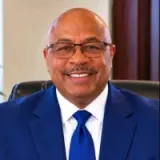
Paul Garwood shares practical guidance on NIL, athlete branding, college recruiting, and student-athlete development. The posts emphasize building trust and communication skills alongside athletic performance.
Paul Garwood is most useful for practical NIL and athlete branding education for student-athletes and their advisers.
Best for
A college athletic department or sports marketing agency wanting a short NIL education workshop series.
Not for
A consumer brand seeking a paid, reach-led endorsement campaign with guaranteed impressions or tracked sales.
Key takeaways
NIL value can come from engagement and trust, not follower count.
Coaches recruit habits and character, not just statistics.
Athletes should chase knowledge and preparation, not attention.
Check first: Ask what education engagements they offer, require, and charge for, plus recent post results.
Main ideas
NIL value comes from engagement and trust, not follower count · Coaches recruit habits and character, not just statistics · Athletes should chase knowledge and preparation, not attention
Paul Garwood writes about NIL, athlete branding, college recruiting, and student-athlete development.
Their posts connect visibility and athletic performance to habits that can build trust: communication, consistency, coachability, and authentic audience relationships.
They also place NIL within a wider program investment in the athlete experience.
Follow their work for practical arguments about what athletes and programs can develop beyond statistics, follower counts, and deal-making.
Garwood links personal branding to observable behavior rather than treating it as a numbers game.
In one post, they contrast a large, weakly engaged audience with a smaller, engaged one to explain why trust and connection can matter more than follower totals.
In another, they apply the same logic to recruiting: statistics may attract attention, but coaches also assess how athletes communicate, respond to adversity, and accept coaching.
Their Florida and Ohio State posts extend that development-first view to athletic programs, though the Ohio State post is an exception in scale and audience: it addresses institutional investment and sustainability rather than offering direct athlete guidance.
Paul Garwood writes about NIL, athlete branding, and college recruiting from a consistent starting point: attention and follower counts are not the same as value, and the skills that create opportunity are learned and practiced.
Read more
Across the posts, the recurring arguments are that engagement and trust matter more than audience size, coaches and brands evaluate habits and character, athletes should invest in knowledge and preparation, and NIL programs should build the whole athlete experience rather than just spend money.
NIL value comes from engagement and trust, not follower count
Paul Garwood argues that follower count is a weak measure of an athlete's NIL value.
Read more
They contrast large but unengaged followings with smaller, highly engaged ones, saying brands consider influence, authentic storytelling, trust, professionalism, communication, and credibility when making purchasing decisions. NIL is about connection, not popularity.
In the NIL Myth vs.
Reality post, Paul Garwood compares an athlete with 50,000 followers and little engagement to one with 5,000 highly engaged followers, saying the latter can often provide far greater value.
The post ends: 'Followers may get someone to notice you.
Coaches recruit habits and character, not just statistics
Paul Garwood writes that statistics get attention but rarely tell the whole story.
Read more
They say coaches evaluate how athletes communicate with teammates, respond to adversity, accept coaching, carry themselves on the bench, and compete when things are not going their way.
Accountability, leadership, positive body language, and coachability can matter more than better numbers.
Recruiting is a trust decision, and a brand is built before any deal or offer.
In the recruiting post, Paul Garwood lists observable behaviors and concludes: 'Character, consistency, and professionalism help get you recruited.' They ask readers which qualities coaches notice first.
Athletes should chase knowledge and preparation, not attention
Paul Garwood says the best athletes chase knowledge rather than attention.
Read more
The advantage belongs to those willing to learn about the game, branding, NIL, communication, leadership, and life skills. Success is built on preparation, not likes, followers, or recognition.
In the Elite Legacy Marketing post, Paul Garwood writes: 'Too many athletes chase attention. The best athletes chase knowledge.' They ask readers to name one skill outside sports every athlete should learn.
NIL programs should invest in the whole athlete experience, not just spending
Paul Garwood comments on program-level NIL strategies.
Read more
Responding to Ryan Day's statement that Ohio State football 'can't fail,' they argue that competing now requires investment in NIL, revenue sharing, player retention, staffing, and athlete development—and that the real measure is whether resources create better opportunities and sustain success. They also highlight the Florida Gators' NIL support system—one-on-one advising, brand development, content creation, financial and tax education, business connections, media kits, contract awareness, and compliance assistance—and emphasize development over dollars.
The Ohio State post singles out 'the commitment behind that investment' and says programs that consistently compete will invest in 'the entire athlete experience—not simply spend more money.' The Florida post says NIL should help athletes learn to communicate value, build relationships, understand business, and develop a brand beyond college.
A personal brand should outlast the playing career
Paul Garwood repeatedly argues that NIL education should build transferable skills and a durable personal brand.
Read more
At Elite Legacy Marketing, that means helping athletes build trust, create value, and develop a brand that opens doors after playing ends. The Florida Gators post carries the same message: NIL should teach athletes to communicate their value, build relationships, understand business, and carry a brand beyond college.
The NIL Myth post says Elite Legacy Marketing helps athletes 'focus on what truly matters: building trust, creating value, and developing a brand that opens doors long after their playing career is over.' The Florida post highlights developing 'a brand they can carry beyond college.'
This post answers the first question most student-athletes and their families ask about NIL: how much do follower numbers matter?
Read more
Its short, direct argument supplies vocabulary for the rest of Paul Garwood's writing about branding.
Garwood argues that follower count is a weak proxy for an athlete's NIL value.
The post contrasts an athlete with 50,000 followers and little engagement with one who has 5,000 highly engaged followers, saying the smaller account can often deliver more for a brand.
It lists what brands look for instead: professional representation of their values, clear communication, authentic content, genuine audience relationships, and enough credibility to influence purchasing decisions.
The closing line distinguishes visibility from trust: followers get someone noticed; trust creates the opportunity.
For brands planning a campaign
A personal-branding workshop can use this post to steer student-athletes away from vanity metrics and toward engagement, trust, and communication habits they can practice. It also sets realistic expectations before a pitching exercise.
This is the clearest explanation of what college coaches evaluate beyond a stat line.
Read more
It shows why Garwood treats recruiting and branding as connected.
Garwood writes that statistics get attention but rarely tell the whole story.
Coaches evaluate habits: how athletes communicate with teammates, respond to adversity, accept coaching, behave on the bench, and compete when things are not going their way.
Accountability, leadership, positive body language, and coachability can outweigh better numbers paired with questionable habits.
The post frames recruiting as an investment in trust and concludes that character, consistency, and professionalism get an athlete recruited.
It ends by asking which qualities coaches notice first.
For brands planning a campaign
Use this as the recruiting-side counterpart to the branding material. In a student-athlete workshop, it offers a concrete, observable list of behaviors that personal-branding content should document, not merely assert.
This post shows what a full athletic-department NIL program can include, beyond what an individual athlete should do.
Read more
It's the most program-level piece and a natural starting point for an athletic department evaluating Garwood.
Garwood describes the Florida Gators' NIL approach as broader than helping athletes find deals.
The post lists one-on-one advising, brand development, content creation, financial and tax education, business connections, media kits, contract awareness, and compliance assistance across programs.
They emphasize development over dollars: NIL should teach athletes to communicate their value, build relationships, understand business, and develop a brand that carries beyond college.
Programs that treat NIL as part of the student-athlete experience, rather than only as a recruiting tool, may give athletes the longest-term advantage.
For brands planning a campaign
Use Garwood's list to check which support areas an athletic department already covers and which a workshop should address.
This short post states the learning-first premise behind Garwood's education work and explains why their other posts emphasize preparation, communication, and character over attention.
Read more
Garwood contrasts athletes who chase attention with those who chase knowledge, arguing that the advantage belongs to those willing to learn about the game, branding, NIL, communication, leadership, and life skills.
The post stresses that success is built on preparation, not attention, and asks readers to name one skill outside sports every athlete should learn.
It directs readers to follow for NIL education, athlete branding, leadership development, and sports marketing insights.
For brands planning a campaign
This post makes a natural opening slide for a workshop: it sets the expectation that the session is about skill-building, not publicity. It also offers a ready-made discussion prompt for student-athletes.
This post places NIL within the larger financial and structural picture of major college football.
Read more
It's useful for an athletic department assessing whether Garwood can speak to administrators as well as student-athletes.
Responding to Ryan Day's statement that Ohio State football "can't fail," Garwood says competing for championships now requires more than coaching, recruiting, and facilities.
NIL, revenue sharing, player retention, staffing, and athlete development have become part of the investment required at the highest level.
They single out the commitment behind the spending: programs that compete year after year will be those that invest in the entire athlete experience, not simply spend more.
The post's stated test is whether resources create better opportunities for athletes while building a program that sustains success.
For brands planning a campaign
For a department brief, this post connects budget conversations to athlete development. It gives Garwood a credible frame for pitching a workshop series as part of the athlete experience rather than an add-on.
Program-level NIL investment and athlete support systems2
Durable personal brand beyond the playing career2
NIL value and engagement, not follower count1
Recruiting and the habits coaches evaluate1
Knowledge and preparation over attention1
NIL value and engagement, not follower count
In a post framed as NIL myth versus reality, Paul Garwood argues that more followers do not automatically mean more money or opportunity.
Read more
The post contrasts an athlete with 50,000 followers and little engagement with one who has 5,000 highly engaged followers.
It says brands look for influence, authentic storytelling, trust, professionalism, communication, authentic content, genuine relationships, and credibility in purchasing decisions.
The conclusion: NIL is about connection, not popularity.
Myth-versus-reality contrast, with a specific follower comparison and a list of brand-facing traits.
For brands planning a campaign
Use this as the first workshop module for student-athletes.
Have participants compare vanity metrics with engagement and trust signals, then write a short value statement explaining who they reach, why that audience trusts them, and what a brand could expect.
The department or agency can use the exercise to set realistic expectations before deal discussions.
Paul Garwood writes that statistics get attention but rarely tell the whole story in college recruiting.
Read more
Coaches evaluate habits: how athletes communicate with teammates, respond to adversity, accept coaching, carry themselves on the bench, and compete when things are not going their way.
Accountability, leadership, positive body language, and coachability can matter more than better numbers.
The post frames recruiting as a trust decision and says a brand is built before an NIL deal, scholarship offer, or recruiting call.
Contrast between what athletes believe coaches recruit and what coaches actually evaluate, followed by a list of observable behaviors.
For brands planning a campaign
Build a workshop segment around observable recruiting behavior.
Have athletes practice coach communication, body language, and responses to adversity, then record examples for a recruiting or brand profile.
This suits departments that want NIL education tied to athlete development, not just deal mechanics.
In a shorter post, Paul Garwood says the best athletes chase knowledge rather than attention.
Read more
They are described as eager to learn about the game, branding, NIL, communication, leadership, and life skills, while athletes who only want likes, followers, and recognition are said to be at a disadvantage. The post argues that success is built on preparation and asks readers to name one skill outside sports that every athlete should learn.
Short motivational argument with a direct question and comment prompt.
For brands planning a campaign
Frame the workshop series as skill-building, not a hype session.
Include at least one non-sport skill module, such as communication, financial literacy, or life skills, and ask athletes to commit to practicing one skill.
Reuse the comment prompt as a pre-workshop survey or discussion starter.
Program-level NIL investment and athlete support systems
Paul Garwood comments on two program-level approaches.
Read more
The first post uses Ryan Day's statement that Ohio State football 'can't fail' to argue that college football is now a year-round business where NIL, revenue sharing, player retention, staffing, and athlete development are part of the investment required to compete.
The second post highlights the Florida Gators' NIL support system: one-on-one advising, brand development, content creation, financial and tax education, business connections, media kits, contract awareness, and compliance assistance.
In both, Paul Garwood emphasizes development over simply spending money and says the measure is whether resources create better opportunities and sustain success.
Commentary on public program strategies, with a recurring distinction between spending and development.
Commentary on public program strategies, with a recurring distinction between spending and development.
For brands planning a campaign
For athletic departments and sports marketing agencies, position the workshop series as part of a broader athlete experience, not a one-off NIL lecture.
Map modules to the support areas Paul Garwood names: brand development, communication, financial and tax basics, media kits, contract awareness, and compliance.
Frame success around long-term athlete development and retention.
Paul Garwood repeatedly returns to the idea that an athlete's brand should outlast the playing career.
Read more
In the NIL myth post, the work of Elite Legacy Marketing is described as helping athletes build trust, create value, and develop a brand that opens doors after playing ends.
In the Florida Gators post, Paul Garwood highlights helping athletes communicate their value, build relationships, understand business, and develop a brand they can carry beyond college.
The through-line is that NIL education should teach transferable business and communication skills, not only deal chasing.
Repeats a long-term brand frame across athlete-facing and program-level posts.
For brands planning a campaign
Design the workshop series with an exit plan: each session should produce something athletes can keep, such as a media kit draft, a value statement, a relationship map, or a business communication checklist. This gives the department a concrete deliverable from the series and supports the long-term development message Paul Garwood uses in their own posts.
The posts use short, accessible formats: a myth-versus-reality framing, a numbered or bulleted list of behaviors, a direct question to readers, and a recurring call to follow Elite Legacy Marketing for NIL education, athlete branding, recruiting insights, and practical guidance.
Read more
Hashtags and calls to comment are used to invite conversation. The posts avoid dense jargon and stay focused on practical decisions.
Short educational post with contrast, list, direct question, and follow call.
For brands planning a campaign
Use the same plain, list-driven format in workshop materials.
Each module can open with a myth or common mistake, list observable behaviors or decisions, and end with a question or action step.
The format is suitable for student-athletes and for department staff who need to reuse the material in advising sessions.
Garwood's posts repeatedly promote Elite Legacy Marketing and use first-person “we” language about helping athletes.
Read more
Ask whether they own or work for the business; the posts disclose a partnership but don’t specify an ownership or employment link. Other programs discussed, including Ohio State and the Florida Gators, appear as examples of NIL strategy, not as disclosed sponsor or client relationships.
Elite Legacy Marketing
Disclosed partnership
Garwood's posts promote Elite Legacy Marketing and use first-person language, including “At Elite Legacy Marketing, we help athletes focus on what truly matters.”
Read more
They direct readers to follow the business for NIL education, athlete branding, recruiting insights, and related guidance. Ask whether they own, work for, or contract with the business; the posts don’t specify their relationship.
Start with the NIL myth-versus-reality post: follower count is not the same as influence; trust and engagement make an athlete valuable to brands.
Next, read the recruiting post on habits coaches evaluate, then the shorter post on knowledge and preparation for a learning mindset.
Two program-level posts examine how Ohio State and the Florida Gators discuss NIL investment and athlete support.
Together, these posts offer a short, practical education sequence for student-athletes, athletic departments, and sports marketing teams.
Use the tags to follow NIL education, athlete branding, college recruiting, athlete development, personal branding, sports marketing, and program-level NIL strategy.
For adjacent reading, see Jared Zeidman on college basketball culture and the transfer portal, Tracy V.
Allen on nonprofit funding strategy and sustainable revenue models, and Devin DiNofa on leadership development and human-to-human support at scale.
Jared Zeidman examines the college basketball experience beyond box scores, interviewing transfer athletes about team culture, respect, accountability, and promises made during recruiting.
Read more
They also explore how habits, feedback, and trust build a Division I culture. Those themes overlap with Paul Garwood's focus on habits, character, trust, and what athletes need beyond statistics.
Zeidman covers systemic issues such as the transfer portal and program culture through podcast interviews. Paul Garwood's posts offer short, list-driven NIL and brand education for athletes, with practical framing rather than interview-based reporting.
Allen offers practical guidance for leaders and organizations facing sustainability decisions.
They walk through mapping beneficiaries and payers, pricing outcomes, and designing revenue models, and argue that those models should be intentional rather than formulaic.
That method—map value, identify parties, choose structures—parallels Paul Garwood's effort to help athletes see value beyond follower counts and build durable brands.
Allen focuses on nonprofit funding, revenue diversification, and organizational strategy—not college athletics, NIL, or athlete recruiting. The audience and subject matter differ, though both use plain, framework-driven posts.
Devin DiNofa writes about developing people at scale, leadership, and the athlete mindset in business.
Read more
They highlight a leader who brings an athlete's mindset into HR and ask who supports the leaders who support everyone else. That concern with human development and leadership overlaps with Paul Garwood's athlete-development themes.
DiNofa's posts center on corporate HR, employee well-being, and LifeGuides, and often promote conversations or podcast guests. Paul Garwood focuses on student-athletes, NIL education, and personal branding.
Five LinkedIn posts by Garwood, published 1, 2 and 5 June and 9 August 2026, target student-athletes and their advisers.
Read more
Topics include NIL myth versus reality, why engagement and trust matter more than follower counts, what college coaches evaluate in recruits, why learning beats chasing attention, and how a major program such as Florida builds NIL support around advising, brand development and financial education.
Several posts invite athletes to join a conversation or keep learning, reinforcing that focus.
The only measured audience figure is a LinkedIn following of 1,971 as of 9 October 2026.
There is no engagement rate, impression or view count, or follower breakdown by geography, age or job.
For the proposed NIL workshop series, the channel looks suited to promoting sessions and lending topical credibility, but its reach is unproven.
Before committing to workshop dates, ask for results from recent comparable NIL and personal-branding posts—impressions, engagement rate and any follower breakdown by location, age and role—as well as any audience survey or attendance list from workshop or coaching clients.
LinkedIn follower data alone cannot establish which employers, occupations or seniority levels a college athletic department would reach.
LinkedIn followers
1,971
LinkedIn profile record for Paul Garwood, attached with this the research; not derived from any individual post · 2026-10-09
Paul Garwood’s posts cover NIL, athlete branding, recruiting, and athlete development, and sometimes promote Elite Legacy Marketing and invite readers to follow that page.
Read more
They publish no partnership formats, sponsorship policies, rates, or official inquiry route. Buyers should ask directly what education engagements they offer, require, and charge for.
Need under consideration: a college athletic department or sports marketing agency wants a short NIL education workshop series for student-athletes, built around personal branding and engagement.
Read more
The posts point most directly to this need.
All five address student-athletes and their advisers, with arguments that map to workshop modules rather than general inspiration.
The NIL myth-versus-reality post sets up a session on value: it contrasts an athlete with 50,000 followers and little engagement against one with 5,000 highly engaged followers, arguing that the smaller account can often deliver more.
It then lists what brands look for: professional representation, clear communication, authentic content, genuine audience relationships, and credibility that influences purchasing decisions.
The recruiting post offers a second session on what outsiders observe: coaches evaluate how athletes communicate with teammates, respond to adversity, accept coaching, behave on the bench, and compete when things are not going their way.
Accountability, leadership, body language, and coachability weigh against raw numbers.
The learning-over-attention post provides the series framing and a discussion prompt.
The Florida Gators post offers a department-side checklist — advising, brand development, content creation, financial and tax education, business connections, media kits, contract awareness, and compliance — to help buyers decide which sessions to run and which are already covered internally.
The Ohio State post shows they can also speak to administrators about budget and athlete experience, not only to athletes.
Two factors will determine how far this fit goes.
First, the posts do not document workshop delivery: they offer educational commentary, and the Florida and Ohio State posts explicitly analyse publicly discussed programs rather than work Paul Garwood designed or delivered.
Ask for a pilot session or the names of departments and teams already taught.
Second, the LinkedIn profile shows 1,971 followers as of 9 October 2026, with no engagement rate, impressions, or breakdown by location, age, and role.
The channel can promote sessions and lend topical authority, but it does not indicate a large reachable pool to fill seats.
Treat the series as a small, subject-specific programme and recruit through the department's own channels as well as their posts.
When to choose a specialist
Campaign need under consideration: a consumer brand wants a paid, reach-led endorsement campaign for a product launch — a set flight with a minimum follower total, a guaranteed impression or view count, tracked sales or redemption codes, and creative direction built around product demonstration.
Read more
Based on the posts, this is a poor fit for four concrete reasons.
The only measured audience figure is 1,971 LinkedIn followers, observed 9 October 2026.
There is no engagement rate, impression or view count, or breakdown by geography, age, or job role, so there is no basis for promising reach or forecasting performance.
The posts show no paid promotion, product demonstration, or performance reporting: they end with follow and comment prompts and educational follow-ups, not calls to buy.
They document no sponsorship formats, rates, or inquiry route, leaving no published package to price or schedule against.
And the subject matter is athlete development and NIL education, not a launch campaign that needs a creator whose audience will act on a retail offer.
This campaign need is a mismatch, not a negotiation.
If the brand changes the ask to sponsored education, a workshop, or a content series where the product is incidental and the deliverable is teaching — with success measured by attendance, completion, and post-session surveys rather than reach or redemption — the fit improves and should be reassessed against that revised need.
A buyer who needs guaranteed impressions or conversion tracking should look at a different creator; the profile's alternatives section is where that comparison belongs.
A worked campaign example
Worked angle for the workshop need: a four-session 'NIL Brand Foundations' series delivered on campus to student-athletes, run over four weeks with one 60–90 minute session per week and capped at a size that lets each athlete leave with a finished artefact.
Session 1, Value over visibility.
Open with the follower comparison from the myth-versus-reality post: 50,000 followers with little engagement against 5,000 with a committed audience.
Have each athlete write down who they actually reach, on which platform, and what that audience trusts them for.
Output: a one-paragraph value statement.
Session 2, What others observe.
Use the recruiting post's list of coach-evaluated habits — communication with teammates, response to adversity, accepting coaching, bench behaviour, competing when behind, body language, and accountability.
Turn it into a self-audit and a short profile draft that shows examples of those habits rather than assertions.
Output: a profile draft with three real examples.
Session 3, Building the basic kit.
Cover the support areas named in the Florida Gators post, limited to what an individual athlete controls: brand development, content creation, media kit, contract awareness, and basic financial and tax questions.
Output: a one-page media kit draft and a list of questions to bring to their compliance office.
Session 4, Relationships and outreach.
Cover how to approach a local business or campus partner, describe what the athlete offers, and set out what a simple agreement should state.
Output: a short outreach message and a target list of five organisations.
Running the series.
Promote it first through the department's own channels — advising staff, compliance sessions, team meetings — and use Paul Garwood's posts as the public-facing rationale, not the recruitment engine, given the small measured LinkedIn audience.
Set expectations with the department in advance: the deliverable is athlete capability, not reach.
Measure it with attendance, completed artefacts, and a short before-and-after survey on confidence in pitching and negotiating.
Before agreeing on scope, ask for results from any comparable NIL or personal-branding post (impressions, engagement rate, and follower breakdown by location, age, and role); references from past workshop or coaching clients, with dates and formats; and a written outline of what they will deliver, prepare, and charge. The posts do not document a published package, so scope and price must be negotiated directly and put in writing.
For an NIL education workshop series on personal branding and engagement for student-athletes, Jared Zeidman is the stronger choice when the department wants to start with recruiting, transfer-portal and program-culture realities rather than social-media growth.
Read more
His posts describe a two-part podcast interview with Canisius University Head Coach Tiffany Swoffard about building a Division I program, culture fit over talent, habits over outcomes, and the 2024-2025 season behind the scenes.
Another post challenges the assumption that athletes transfer only for minutes or NIL money, lists culture, respect, accountability and broken recruiting promises as reasons, and says parents will get guidance on avoiding bad actors.
Buyers seeking coach and athlete voices, interview material and a culture-first workshop framing can use this material directly.
Paul Garwood’s posts don’t address NIL personal branding, engagement, athlete social-media strategy, workshop delivery, audience metrics or commercial terms.
A buyer whose workshop must cover followers, engagement, media kits or brand outreach would need content on those topics or a creator who covers them.
Two LinkedIn posts were published 24 June 2025 and 9 May 2024.
For an NIL workshop series on personal branding and engagement for student-athletes, Tracy V.
Read more
Allen, Ph.D., PMP, LSSGB, MLC is the better choice when the buyer is solving a funding and sustainability problem around the workshop—for example, an athletic department foundation, booster group or nonprofit partner needs to identify who benefits, who can pay, and how to price outcomes.
Her posts explain how to map program value, distinguish beneficiary from customer, match payers to outcomes, and build revenue through employer partnerships, government contracts, shared savings, licensing or membership.
A second post argues there is no perfect nonprofit funding mix and that workforce, arts, advocacy and community organisations can be sustainable with different revenue combinations.
This is useful when the workshop series is part of a broader revenue-model conversation rather than a pure athlete-branding programme.
Paul Garwood’s posts address nonprofit and social-enterprise revenue design, not NIL education, student-athlete personal branding, engagement teaching or workshop delivery.
Buyers needing athlete-facing brand and engagement sessions would need new material or another creator.
Two LinkedIn posts were published 26 August 2026 and 21 September 2026.
For an NIL workshop series on personal branding and engagement for student-athletes, Devin DiNofa is the stronger choice when the department wants to frame the workshop around leadership development, mentoring or wellbeing rather than NIL branding and engagement.
Read more
His posts describe conversations with HR leaders, a human-to-human mentorship platform called LifeGuides, the question of who supports the leaders supporting everyone else, and the idea that developing people is how organisations improve.
One post also names a Rebels with a Heart show and community for people leaders.
Buyers building a student-athlete leadership, mentorship or staff-support programme can use that framing and format.
Paul Garwood’s posts are aimed at HR and people-leadership audiences, not NIL, athlete personal branding, social-media engagement or athlete workshop delivery.
Buyers whose deliverable is specifically NIL education for student-athletes would need NIL and branding material from elsewhere.
Two LinkedIn posts were published 9 October 2026 and 15 September 2026.
Garwood’s five LinkedIn posts dated 1, 2 and 5 June and 9 August 2026 offer examples of Garwood’s ideas, not a complete account of Garwood’s work or a timeline of how those ideas developed.