Search creators⌘K
  1. Home
  2. Creators
  3. Shilpy Singh

Shilpy Singh

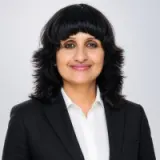
Shilpy Singh works in the pharmaceutical industry, speaks about AI in pharma, and designs learning programs that connect industry teams with students and young changemakers.

AI in pharmaBased on 13 posts · latest Sep 2026
LinkedIn

At a glance

Shilpy Singh is most useful for invited talks and learning programs on AI in pharma and industry-academia connections.

Best for

Pharmaceutical makers and event hosts needing a speaker or program collaborator for AI in pharma.

Not for

Sponsored social campaigns with paid deliverables, audience demographics, and reach or engagement guarantees.

Key takeaways

  • AI is already changing pharmaceutical work.
  • Pharmaceutical knowledge is best learned on the shop floor.
  • Industry should build real bridges to universities and social-sector programmes.

Check first: Confirm capacity, internal support, references, fee, length, audience size, and availability before booking.

Main ideas
AI is already changing pharmaceutical work · Pharmaceutical knowledge is best learned on the shop floor · Industry should build real bridges to universities and social-sector programmes
Read first
Expert talk on AI in the pharmaceutical industry
Ways to work together
Conference or festival session · Expert panel participation · Guest lecture for pharmaceutical sciences students
Sources for this section

What they are known for

Shilpy Singh works in the pharmaceutical industry and shares experience on AI in pharma, manufacturing, and learning programs that bring industry teams together with students and young changemakers.

  • Their posts describe sessions for pharmaceutical-sciences students and at IIT Madras, a World Health Congress panel on AI in healthcare, and multi-day Gandhi Fellow programs at Piramal Pharma’s Pithampur site.
  • Follow their work for practical views on connecting pharmaceutical operations with technology, education, and social impact.

The distinctive thread is making the pharmaceutical industry accessible to people outside its day-to-day operations.

  • Singh’s work ranges from explaining AI applications across drug discovery, clinical trials, and manufacturing to organizing site-based programs where fellows encounter functions such as quality, engineering, and supply chain.
  • Together, these posts show what industry professionals teach and how learners can experience the work firsthand.
  • A post about attending a diversity and inclusion conclave adds an organizational-culture perspective but does not document a program or specific initiative they led.
Sources for this section

Ideas and priorities

Shilpy Singh’s posts return to a connected set of arguments: artificial intelligence is already changing pharmaceutical work and should be judged by what it does for patients and sustainability; people understand the industry best when they visit a plant rather than hear about it in a lecture; companies should build working bridges to universities and social-sector programmes; commercial success and public benefit belong together; and leadership makes inclusion visible.

Read more

The recurring format is short-form recaps of delivered talks and programmes, giving the ideas a consistent outlook: technology in service of patients, learning through exposure and partnerships over solo effort.

AI is already changing pharmaceutical work

Singh treats AI as a present-tense shift, tying it to outcomes: faster drug discovery, better manufacturing, more personalised care, and more equitable and sustainable healthcare.

Read more

The focus is on what the technology changes in practice, making this a practical, industry-facing conversation rather than a general explainer about AI.

In an expert session for pharmaceutical sciences students at Chameli Devi Group of institutions, Singh covered drug discovery, clinical trials, manufacturing and patient-centric care, highlighting predictive analysis and personalised medicine.

  • Singh wrote that AI “is not just the future” but is transforming how healthcare is innovated, optimised and delivered today.
  • On a World Congress 2026 virtual panel, they described AI as “a Powerful enabler to deliver faster sustainable and equitable healthcare to patients worldwide.”

The message stays consistent as the audience grows: from students at one institution to an international panel featuring global speakers, academics and industry leaders.

Read original · Original 2

Pharmaceutical knowledge is best learned on the shop floor

Singh designs multi-day programmes that put learners inside a working plant, with the value in seeing how functions connect and taking part in activities such as mock interviews and structured reflection.

Read more

The learners’ curiosity and questions drive the learning.

A three-day induction for Gandhi Fellows from Sehore District at the Pithampur site, held 24–26 April 2025, covered project management, technology transfer, HR, manufacturing, packaging, quality, supply chain, operational excellence, engineering, warehouse and quality control, alongside mock interviews and guided reflection, and ended with certificates. A later visit hosting the 18th batch was structured to give "an end to end understanding of our site capabilities and culture," with fellows touring manufacturing, quality control, engineering and utilities and hearing about career pathways and job opportunities.

Read original · Original 2

Industry should build real bridges to universities and social-sector programmes

Singh builds partnerships through invitations: a university society invites the company, a foundation supplies the fellows, and Singh designs the programme and collaboration between the two organisations.

Read more

Students gain industry exposure and career pathways, while the company gains a channel for social impact and future talent.

At IIT Madras, the Chemical Engineering Society invited Piramal Pharma to ChemPlus 25, where Singh spoke on the CDMO ecosystem, manufacturing innovation and sustainable practices.

  • For the Gandhi Fellows programme, Singh describes designing the overall programme and “discussing collaborations between PPL and PF to drive social impact,” crediting Piramal Foundation colleagues with coordination.
  • Naveen Gurjar and faculty at Chameli Devi Group are credited with inviting Singh to the student AI session, while Dr.
  • Neetesh Kumar Jain (President, Sparkes) invited them to the World Congress panel.

Read original · Original 2 · Original 3 · Original 4 · Original 5

Commercial success and public good belong in the same sentence

Singh anchors pharmaceutical work in a stated ethos, bringing business results and service together.

Read more

Patient centricity, sustainability, “doing well and doing good” and nation building recur across the manufacturing talks and fellowship programmes.

The Gandhi Fellows posts close on Piramal’s ethos of “Doing well and Doing good” and on nurturing young leaders and building future skills. The site-visit post links the programme to “SEVA BHAV and nation building through purposeful engagement,” while the IIT Madras session brought together patient centricity, ESG, technological advancement and customer centricity with manufacturing innovation.

Read original · Original 2 · Original 3 · Original 4

Inclusion is a leadership responsibility, shown in who is in the room

Singh’s writing on inclusion focuses on visible participation and accountability: women from several functions attending together, and senior leaders credited with creating the conditions.

Read more

The argument is that resilience and sustained success depend on a culture where women can learn, lead and make an impact, set from the top.

At a corporate conclave with around 1,600 participants from corporates, institutions, startups and students, Singh singled out a table of Piramal’s female employees from project management, quality, packaging development and supply chain. Singh credited the chairperson, CEO and COO for a commitment to diversity and inclusion that creates opportunities for female employees to thrive and contribute.

Read original

Sources for this section

Start with their work

Expert talk on AI in the pharmaceutical industry

The post confirms Shilpy Singh has taught AI in pharma and outlines what the session covered.

Read more

The post describes an expert session for pharmaceutical sciences students at Chameli Devi Group of institutions.

  • It covered how AI is changing drug discovery, clinical trials, manufacturing and patient-centric care, including predictive analysis and personalised medicine.
  • Host Naveen Gurjar and the faculty are thanked by name.

For brands planning a campaign

Useful for a pharma employer or campus programme seeking a presenter for an introductory AI-in-pharma session.

  • The post documents a classroom-style session.
  • Buyers who need deep technical content should ask for slides, a recording or participant feedback before committing.

World Health Congress 2026 virtual expert panel

Shows Singh speaking on AI in healthcare at an international expert panel, rather than a single-company or single-classroom talk.

Read more

Singh joined a virtual expert panel at 5 a.m. while travelling, on the theme 'Global Impact and Challenges of AI in pharma and Healthcare for Sustainability'.

  • The panel brought together global speakers, academics and industry leaders.
  • The closing line casts AI as an enabler for faster, more sustainable and more equitable healthcare, and credits Dr.
  • Neetesh Kumar Jain (President, Sparkes) for the invitation.

For brands planning a campaign

Relevant for a conference, panel or thought-leadership brief.

  • The post establishes panel participation but does not detail Singh’s arguments.
  • Buyers who need a defined point of view should ask for the recording or a written summary.

IIT Madras session on CDMO, manufacturing and sustainability

Shows Singh working with technical and engineering audiences, as well as pharma students and social-sector fellows.

Read more

The Chemical Engineering Society at IIT Madras invited Piramal Pharma to speak at ChemPlus 25.

  • Singh says the session covered 'Transforming the CDMO Ecosystem, innovation in mfg and Sustainable Practices', along with patient centricity, ESG, technological advancement and customer centricity.
  • Rugved Dixit is credited with coordination; Manish Punjabi, Ritu Taparia, Arun Chaudhary, Pranav Pal singh and Tathagata Basu are thanked.

For brands planning a campaign

Supports an industry-academia brief seeking content on industrial manufacturing and sustainability for engineering students. The post documents the invitation and topic; buyers should ask for the deck or a reference to assess delivery quality and audience response.

Three-day Gandhi Fellow induction at Pithampur, April 2025

Shows Singh’s programme-design work, beyond single talks—useful to employers weighing a training brief.

Read more

Singh says they designed and coordinated a three-day induction for Gandhi Fellows from Sehore District at the Pithampur site from 24 to 26 April 2025, in collaboration between Piramal Pharma Ltd and Piramal Foundation.

  • The agenda covered project management, technology transfer, HR, manufacturing, packaging, quality, supply chain, operational excellence, engineering, warehouse and quality control, along with mock interviews and guided reflection.
  • Certificates were awarded.
  • Puneet Shukla and several department heads are thanked.

For brands planning a campaign

Useful for a company seeking a named programme lead for a multi-day onboarding, campus-to-industry or youth-skills scheme. The post documents the design and coordination role; buyers should ask for participant feedback or post-programme outcomes.

Hosting the 18th batch of Gandhi Fellows at Pithampur

Shows the fellowship work is recurring: Singh describes hosting another cohort and the cross-company collaboration behind it.

Read more

Singh describes planning the visit and discussing collaborations between PPL and PF to drive social impact.

  • The cluster head spoke on formulations and the pharmaceutical landscape, the site lead on site capabilities, and project management and microbiology team members engaged the fellows on career pathways.
  • Fellows toured manufacturing, quality control, engineering and utilities.
  • Piramal Foundation colleagues Drishti Sahay, Bikash Singh and Niharika Mishra are credited for coordination.

For brands planning a campaign

Relevant for CSR, ESG or early-talent programmes seeking an industry host and a bridge to a social-impact partner.

  • The post also shows Singh working with site leadership; buyers seeking similar internal access can ask about it.
  • The account is the host’s own summary.
Sources for this section

Topics and approach

AI applications in pharmaceutical work

Singh discusses AI across drug discovery, clinical trials, pharmaceutical manufacturing and patient-centred healthcare.

Read more

In a talk to pharmaceutical-sciences students, they covered examples ranging from predictive analysis to personalised medicine. A separate panel post connected AI with sustainable healthcare and global challenges.

The examples address professional and student audiences, focusing on practical applications rather than detailed technical demonstrations.

For brands planning a campaign

Consider Singh for a talk or panel connecting AI concepts with pharmaceutical applications. The posts show industry-focused discussion; ask for technical case studies or examples of specific AI implementations if those are central to the brief.

Examples: Source 1 · Source 2

Industry learning for students and young changemakers

Singh describes designing learning experiences that introduce learners to pharmaceutical operations.

Read more

At Pithampur, a three-day program for Gandhi Fellows included exposure to manufacturing, quality, supply chain, project management and other functions, along with mock interviews and guided reflection. A separate visit post describes fellows meeting teams and visiting operational areas.

The approach combines site exposure, conversations with functional teams, career activities and reflection.

For brands planning a campaign

This work may suit a program lead or speaker brief focused on industry-academia engagement, career exposure or structured learning for early-career audiences. The posts describe program design and coordination; ask for evidence of learning outcomes if those matter to the brief.

Examples: Source 1 · Source 2

Pharmaceutical manufacturing, sustainability and patient focus

At a session at IIT Madras, Singh discussed the CDMO ecosystem, manufacturing innovation and sustainable practices, linking these subjects with technology, customer focus and patient centricity.

Read more

Their AI posts also connect technology with sustainability and healthcare outcomes.

For brands planning a campaign

A manufacturing or sustainability brief could draw on these themes, particularly for an audience seeking an industry-oriented discussion. Ask for examples of specialist work if depth in a particular technical subfield is essential.

Examples: Source 1 · Source 2

Inclusion and women's leadership

Singh writes about a corporate inclusion conclave, highlighting women colleagues from functions including project management, quality, packaging development and supply chain.

Read more

They emphasize resilience, leadership and creating opportunities for women to contribute and lead.

For brands planning a campaign

Consider this perspective for a workplace inclusion or women's leadership discussion grounded in pharmaceutical-company experience. The post recounts an event and workplace; ask for examples of specific inclusion programs and their results if those are important to the brief.

Examples: Source 1

Sources for this section

Brands and businesses

Posts tie Singh almost entirely to Piramal Pharma: they write in the first person about programs at its Pithampur site and refer to its chairperson, CEO, COO and site head as "our" leaders.

Read more

Other named organizations appear as hosts that invited them to speak or as partners in the Gandhi Fellow programs. Ask about sponsored, affiliate or investment relationships, which the posts do not disclose.

Piramal Pharma Ltd

Employment · 2025-04-26

Singh's posts describe designing and coordinating training and induction programs at Piramal Pharma's Pithampur site, referring to the company's chairperson, CEO, COO, cluster head, HR head and site head as "our" leaders.

Read more

One post covers a three-day induction for Gandhi Fellows, held 24-26 April 2025, on project management, technology transfer, manufacturing, quality and supply chain; another covers a later Gandhi Fellow site visit.

View example

Piramal Foundation

Disclosed partnership · 2025-04-26

Singh writes about designing and coordinating joint programs between Piramal Pharma and Piramal Foundation for Gandhi Fellows, including the April 2025 induction at Pithampur and a later site visit by the 18th batch.

Read more

They credit the Foundation team with coordinating the visit. The posts describe an organizational collaboration Singh runs; ask about their contractual or employment relationship with the Foundation.

View example

Chameli Devi Group of Institutions

Mention

Singh was invited to give pharmaceutical sciences students at Chameli Devi Group of Institutions an expert session on artificial intelligence in the pharmaceutical industry, covering drug discovery, clinical trials, manufacturing and patient-centric care.

Read more

They thank Naveen Gurjar and faculty for the invitation.

View example

IIT Madras

Mention

The Chemical Engineering Society at IIT Madras invited Singh to deliver a session on transforming the CDMO ecosystem, manufacturing innovation and sustainability during the department's Chemplus 25 festival.

Read more

They spoke on patient centricity, ESG and customer centricity, and thank the student coordinator and Piramal colleagues for arranging the session.

View example

World Health Congress

Mention

Singh joined a virtual expert panel at the 2026 edition of the World Health Congress on the global impact and challenges of AI in pharma and healthcare for sustainability, alongside international speakers, academics and industry leaders.

Read more

They credit Dr. Neetesh Kumar Jain for the invitation.

View example

Sources for this section

Topics and similar creators

Shilpy Singh posts short recaps of sessions and programmes they have delivered, mostly connected to Piramal Pharma.

Read more

The AI material offers a clear entry point: an expert session for pharmaceutical sciences students on how AI is changing drug discovery, clinical trials, manufacturing and patient-centred care, and a World Congress 2026 virtual panel on AI's global impact in pharma and healthcare.

  • An IIT Madras talk on the CDMO ecosystem, manufacturing innovation and sustainable practice shows how Singh frames technology alongside patient and customer focus.
  • A second thread covers training: multi-day inductions and site visits at the Pithampur plant that put students and Gandhi Fellows inside manufacturing, quality, supply chain and engineering, with mock interviews and guided reflection.
  • A diversity and inclusion conclave post rounds out the picture.
  • Ask for learner-outcome data if you need to assess the training's impact.
  • Similar creators below work on adjacent parts of the same terrain: finance and governance, regional innovation ecosystems, and global healthcare manufacturing.
AI in pharma Pharmaceutical manufacturing CDMO and contract manufacturing Sustainability and ESG Patient centricity Industry–academia collaboration Early-career and student development Programme and curriculum design Diversity and inclusion Women in pharma leadership Conference and panel speaking Short recap posts Students and early-career professionals Pharmaceutical industry professionals

Raghuram Krishnan

Krishnan also publishes short recaps of sessions they have spoken at and argues that AI is reshaping a professional role in real time.

Read more

At the FICCI-CFO Summit, Krishnan described the CFO job as being 'rewritten in real time' by AI and data; a second post sets out what they took from a board leadership programme. Like Singh, Krishnan uses recaps to name themes and credit the organisers.

Singh focuses on finance leadership, corporate governance and boardroom judgement, not pharmaceutical manufacturing or student teaching. Their audience is senior executives at professional forums, not learners placed inside a working plant.

Read original · Original 2

Yvonne Pilon

Pilon writes about building regional programmes that link institutions, students and startups: judging a university innovation fellowship and describing a cybersecurity initiative that pairs emerging talent with local organisations.

Read more

Like Singh, Pilon credits named partners rather than presenting the work as solo. Both treat partnership as the mechanism that makes a programme work.

Singh works in Canada's regional innovation and technology ecosystem, not at a pharmaceutical company. Their posts cover entrepreneurship and cybersecurity rather than AI in drug development or industry training on a plant site.

Read original · Original 2

Matt Tyson

Tyson writes from inside pharmaceutical manufacturing and supply, with concrete operational detail: factory floors, a WHO-prequalified antimalarial plant and a new pharma-grade glass plant in Kenya.

Read more

Like Singh, Tyson argues that capability is built through cooperation across organisations rather than by any one actor.

Singh focuses on global health policy and African industrial capacity, with analytical commentary on the sector. Their posts are recaps of sessions and training programmes for students, fellows and colleagues.

Read original · Original 2

Sources for this section

Audience

Shilpy Singh’s posts may suit pharmaceutical and healthcare audiences interested in AI, pharma manufacturing, and industry–academia learning.

Read more

They cover speaking on AI in pharma and coordinating a three-day learning program for Gandhi Fellows. For a campaign targeting a particular professional audience, ask Shilpy for recent audience survey results or other documented evidence matching the brief, such as audience roles or seniority.

Sources for this section

Partnership options

Shilpy Singh's posts show invited engagements including conference sessions, expert panels, guest lectures for students, and multi-day training programs they delivered or designed and coordinated inside Piramal Pharma.

Read more

For brands, universities or event organisers seeking a speaker or program lead on AI in pharma and industry-academia training, the realistic fit is invitation-based speaking or program design.

  • The host carries much of the operational burden: engagements relied on an existing event or institution issuing the invitation and colleagues across functions giving their time.
  • Ask about fees, audience size, format length and availability; Shilpy Singh's LinkedIn profile is the only contact route the posts point to.

Conference or festival session

Buyer requirement

An existing academic or industry event issues the invitation and runs logistics.

  • The documented example is a session at IIT Madras for the Chemical Engineering Society during the ChemPlus 25 festival, framed around transforming the CDMO ecosystem, manufacturing innovation and sustainability.
  • The talk fits the host's programme rather than a standalone session, with a student organising team and faculty involved.

Expert panel participation

Buyer requirement

An event organiser arranges a panel slot at an established industry event.

  • The documented example is a virtual panel at the World Congress 2026 on the global impact and challenges of AI in pharma and healthcare for sustainability, scheduled in an early-morning slot while travelling for work.
  • The organiser set the agenda and speaker mix, so buyers should plan around an existing programme and expect industry-facing rather than academic framing.

Guest lecture for pharmaceutical sciences students

Buyer requirement

A university or college department invites and coordinates the session.

  • Chameli Devi Group of Institutions hosted a talk on AI in the pharmaceutical industry covering drug discovery, clinical trials, manufacturing and patient-centric care.
  • Agree the fee, session length and class size directly; the department contact handled the invitation and faculty arrangements.

Multi-day training or induction program design

Buyer requirement

The most demanding format documented is a three-day induction for Gandhi Fellows at the Piramal Pharma Pithampur site.

  • It covered project management, technology transfer, HR, manufacturing, packaging operations, quality, supply chain, operational excellence, engineering, warehouse and quality control, plus mock interviews and guided reflection.
  • The programme required department heads and cross-functional leaders across all three days, HR leadership support and site head approval.
  • It ran as a collaboration with the Piramal Foundation rather than a paid booking.
  • Buyers planning something comparable should secure leadership sign-off and named departmental participants before fixing dates.
Sources for this section

Campaign fit

A campaign to shortlist

Strong fit for the AI-in-pharma speaking slot. A plausible fit for training and programme design, but confirm capacity and internal support first: the documented training programmes were collaborations, not one-person deliveries.

Read more

Brief

A pharmaceutical manufacturer is putting together an AI-in-pharma event — either a session at an industry conference or an internal learning day — and wants one speaker to cover AI across discovery, clinical trials, manufacturing and patient-centred care, with an optional second engagement teaching students or new hires how the industry works.

What to check before committing

Shilpy Singh's posts include no slides, recording, transcript or participant feedback. Ask for a deck, session outline and two references from previous hosts before booking.

No fee, session length, audience size or availability commitment is published. Agree these directly with Shilpy Singh.

The Gandhi Fellow programmes were run in collaboration between Piramal Pharma and the Piramal Foundation, with HR leadership support, site head approval and department heads contributing time across all three days. For a comparable programme, secure internal sign-off and named function leads before fixing dates.

The AI material is framed for professional and student audiences rather than as a technical demonstration. If the brief requires model-level or implementation-level detail, test the fit with a short sample session first.

Why it fits

There is a delivered example of exactly this kind of session: an expert talk on AI in the pharmaceutical industry for pharmaceutical sciences students at Chameli Devi Group of Institutions. It covered drug discovery, clinical trials, manufacturing and patient-centric care, plus predictive analysis and personalised medicine.

The audience level is documented too. Shilpy Singh joined a virtual expert panel at World Congress 2026 on the global impact and challenges of AI in pharma and healthcare for sustainability, alongside global speakers, academics and industry leaders. They took the slot at 5 a.m. while travelling for work.

The manufacturing and sustainability side is covered, not just AI. The Chemical Engineering Society at IIT Madras invited Piramal Pharma to ChemPlus 25 to speak on transforming the CDMO ecosystem, manufacturing innovation and sustainable practices, with patient centricity, ESG and customer centricity in the mix.

Programme design is documented as well as speaking. Shilpy Singh designed and coordinated a three-day induction for Gandhi Fellows at the Pithampur site in April 2025. It covered project management, technology transfer, HR, manufacturing, packaging operations, quality, supply chain, operational excellence, engineering, warehouse and quality control, plus mock interviews, guided discussion and certificates. A second post describes hosting the 18th cohort on a site visit.
When to choose a specialist

Poor fit on the evidence reviewed, for two separate reasons.

Read more

Brief

A brand or agency wants a sponsored social campaign: paid posts, a set number of deliverables, audience demographics for a specific target segment, and reach or engagement guarantees behind a product or service promotion.

Why it fits poorly

No commercial offer is published: the posts include no sponsorship package, rate card, media kit, booking process or inquiry route. They describe engagements as invitations from conferences, companies and institutions rather than paid placements. Ask Shilpy Singh directly whether they accept sponsorships and what terms they offer.

The available audience evidence cannot support a performance guarantee. The posts do not measure who follows or engages with them. The only figure available is a platform follower count of roughly 15,500 recorded on the LinkedIn profile snapshot in October 2026; it is not a reach, engagement or segment measure.

The posted content reports on speaking engagements and programmes — thanking hosts, listing the functions covered and describing a site visit — rather than promoting products or brands. The material reviewed shows no track record of sponsored content.

Treat this as an absence of evidence rather than proof that sponsorships are never accepted. The gap is real but it is open, and should be put to Shilpy Singh directly rather than assumed.

A second poor-fit case is a brief requiring a named, developed analytical position on AI regulation or a specific technical thesis. Panel and session participation is documented, but not the arguments made there. If the brief requires a defined point of view, ask for the recording or a written summary first.

A worked campaign example
Angle

From bench to shop floor: where AI actually changes pharmaceutical work. Use one speaker across two connected moments — an industry-facing session and a training session — so the same framing carries from a professional audience to an early-career or new-hire audience.

Measuring it

Use pre- and post-session confidence ratings from participants, a short knowledge check and a written debrief from the host. Do not measure the campaign by follower count or promise reach; no audience data supports that.

Part one

A 30 to 40 minute industry session covering AI across drug discovery, clinical trials, manufacturing and patient-centred care, closing with the sustainability and equitable-access framing used on the World Congress 2026 panel. Book it into an existing conference programme or an internal learning day; the documented pattern is that the host sets the agenda and handles logistics.

Part two

A designed half-day session for a training cohort: function-by-function exposure to manufacturing, quality, supply chain and project management; a careers conversation with named people from those functions; and a short guided reflection exercise. This draws on the Gandhi Fellow induction, cut down to one day and one site, because the three-day version depended on department heads across all eleven functions contributing time.

Sequencing

Confirm the date, audience and required technical depth, then decide whether part two follows part one or stands alone.

Ask for a prior deck, a session outline and two host references. Shilpy Singh's posts do not show delivery quality, so these materials will help de-risk the booking.

Name the internal function leads who will take part in part two and confirm their availability before fixing dates. The documented programmes worked because an existing institution issued the invitation and colleagues across functions took part.

Agree the session length, any fee, and who handles travel and venue. None of these details is published.

Reserve a Q&A slot and a written handoff—a short summary the host can circulate.

The tradeoff

For an AI-in-pharma speaking slot, the practical alternative is a working AI or data-science leader with published implementations or a track record of delivering recorded technical talks. That route offers verifiable technical depth and probably a deck or recording on request. Shilpy Singh instead brings an industry-and-academia bridge: they can move between a conference panel, an engineering department and a shop-floor training cohort, with documented programme design alongside platform work. Choose based on whether the brief calls for demonstrable technical implementation or a credible translator between pharma operations, AI themes and early-career learners.

Sources for this section

Who else to consider

Matt Tyson

Consider Matt Tyson if the brief shifts from an AI-in-pharma talk to pharmaceutical manufacturing and African health-system capacity.

Read more

In a post about a China–Africa trip, Tyson describes meetings with pharmaceutical manufacturers and a factory visit, then argues for local production and supply-chain partnerships. That gives buyers concrete material for a discussion of manufacturing capacity and industry collaboration.

Tyson’s posts do not show them speaking about AI in pharma or designing student or new-hire training.

  • Their work fits a campaign on manufacturing and access better than the requested AI speaking slot and training program.
  • Before booking, confirm that this is the intended Tyson and ask for a relevant talk sample.

Examples: Source 1 · Source 2

Yvonne Pilon

Consider Yvonne Pilon if the training element matters more than pharmaceutical subject expertise.

Read more

Her post about judging the University of Windsor Innovation Fellowship describes fellows exploring market validation, intellectual property and commercialization across fields including AI and medical imaging.

  • A separate post presents cybersecurity as an accessible, human issue and points startups toward a regional support initiative.
  • These examples suit a program about helping emerging innovators connect ideas with practical support.

The reviewed work does not establish pharma expertise, an AI-in-pharma talk or experience designing cross-functional pharmaceutical site training.

  • This is an alternative for innovation and commercialization programming, not a like-for-like replacement for Shilpy Singh’s documented combination of pharma speaking and site-based induction design.
  • Confirm identity and ask for a relevant session example.

Examples: Source 1 · Source 2

Raghuram Krishnan

Consider Raghuram Krishnan if the event is specifically for finance leaders and needs an AI-and-enterprise-transformation perspective.

Read more

A post attributed to Krishnan frames the CFO as a strategic leader in data-driven decisions, technology and risk; another describes board-governance learning centered on practical cases and judgment. These examples offer a finance and governance lens on organizational change.

The posts do not show pharmaceutical expertise, AI implementation detail or student and new-hire training.

  • This is a materially different speaker choice: better for a CFO or board audience, weaker for a pharma audience seeking AI across discovery, clinical trials and manufacturing.
  • Confirm identity and request a relevant talk sample before considering a booking.

Examples: Source 1 · Source 2

Sources for this section

Build your campaign brief

Editable Markdown templates for planning a campaign with this creator.

Campaign brief: speaker or programme lead (blank template)

Completed brief: AI in pharma speaker, with an optional training half-day

Completed brief: paid social campaign (and why the ask has to change)

Sources for this section

Research methodology

  • Six LinkedIn posts by Shilpy Singh cover engagements in 2025 and 2026: an AI-in-pharma session for pharmaceutical sciences students, a virtual expert panel at the 2026 World Health Congress, a session at IIT Madras's ChemPlus 25 festival, a three-day Gandhi Fellow induction at Piramal Pharma's Pithampur site in April 2025, a later Gandhi Fellow site visit, and a diversity and inclusion conclave.
  • Singh's posts are recaps of events, so they establish what was delivered and who took part, not how well it went.
  • The posts do not include slides, recordings, transcripts or participant feedback, and do not mention a signature book, show or earlier body of work.