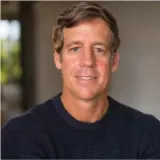
Luke Peters hosts The Eight-Figure Product CEO, a podcast about building and running product businesses. They also share practical guidance for CEOs on budgeting, business turnarounds, tariffs, and preparing a company for sale.
Luke Peters is most useful as a podcast guest on scaling product businesses, tariffs, budgets and turnarounds.
Best for
B2B media or product-company audiences wanting operator lessons on margins, tariffs and turnarounds.
Not for
Short-form consumer beauty or impulse-driven TikTok and Instagram discount-code campaigns.
Key takeaways
Contribution margin, not revenue, should drive the plan.
You cannot forecast your way out of a loss.
Exit readiness is engineered, not hoped for.
Check first: Confirm recent listener data for tariff, budgeting and turnaround episodes before contacting them.
Main ideas
Contribution margin, not revenue, should drive the plan · You cannot forecast your way out of a loss · Tariffs are an operating cost with legal levers—and real red flags
Luke Peters hosts The Eight-Figure Product CEO, a podcast about building and running product businesses.
They pair practical operating advice with interviews on how founders and executives handle growth, margins, supply chains and business sales.
They draw on their experience building NewAir, which they sold to private equity in 2021.
Peters connects business decisions to cash and profit.
In the budgeting episode, they urge companies to plan around contribution margin and current landed costs—not just revenue targets.
The turnaround discussion turns that focus into concrete steps, including renegotiating costs and reviewing product lines.
They also tackle supply-chain questions, from tariff classification and customs rulings in a session with Luke Peters to sourcing and freight decisions at a furniture company in an interview with Jason Shefrin.
Founder stories add another perspective: a bootstrapped sleep-product brand illustrates how product design, intellectual property and cash discipline can shape growth.
These examples make their work useful to product-business leaders seeking operational lessons grounded in specific decisions.
Luke Peters' recurring argument is that product businesses live or die on operating discipline: contribution margin over revenue, landed costs rebuilt every year, and turnarounds run on cash, not hope.
Read more
The framework episodes cover tariff reduction, budget planning, and a 90-day repair plan; guest interviews return to exit readiness, the tradeoffs between bootstrapping and outside capital, and the operational points where growth breaks.
Contribution margin, not revenue, should drive the plan
Luke argues that budgets fail on assumptions, not effort.
Read more
They want factory pricing, freight, duties, fees, warehousing, and returns rebuilt every year; gross-margin assumptions tested against discounts, promotions, and channel fees; inventory turns checked against real constraints; and SG&A right-sized before planning for growth. SKU rationalization—plotting products by turn and margin—is their margin weapon.
In the 2026 budget episode, Luke names three mistakes that kill companies: building to revenue instead of contribution, recycling last year's landed costs, and making optimistic assumptions the business has never hit. They also point to insurance creep, freight contracts, ERP and IT waste, audits, and cyber policies as SG&A items finance teams skip.
For companies that have lost money for two or three years, Luke lays out a 90-day turnaround: find SG&A savings immediately, renegotiate freight contracts and ERP licenses, tighten product margins, rationalize SKUs, fix bloated insurance and software stacks, and rebuild a lean team.
Read more
Cost cuts alone won't do it; a turnaround also needs a sales hunter and a product roadmap.
Luke says outside eyes can find about 5% in SG&A savings on day one and calls optimistic forecasts built on “hopium.” Their refrain: you have to operate your way out, not forecast your way out.
The turnaround episode applies the budget framework's landed-cost and SG&A discipline to a business already losing money, making the two episodes one method for two situations.
Tariffs are an operating cost with legal levers—and real red flags
Luke treats trade policy as something importers can work on, not just absorb.
Read more
The checklist includes the First Sale Rule, unbundling products so they ship in parts instead of full sets, tariff engineering through small design changes, and getting a binding ruling from U.S.
Customs.
They also warn about false Delivered Duty Paid arrangements and mislabeling, and discuss moving supply chains to Vietnam, Mexico, or India.
In a session recorded with the International Housewares Association, Luke describes importers hit with 55%-plus tariffs and names SharkNinja and Yeti as companies already adapting. They present the tactics as proven strategies, not legal advice, and recommend checking them with a broker or legal team.
A later interview with Jason Shefrin extends the same tariff and freight pressure to a PE-backed furniture company with $250M-$500M in revenue. Another episode notes tariffs and supply-chain shifts changing private-equity deal terms.
Luke repeatedly returns to preparing a product business for sale: what private equity looks for, what moves a valuation multiple, which red flags scare buyers, and how founders can benchmark where they stand.
Read more
The guests are deal-makers and exited founders, and their arguments are as central as Luke's.
Kirk Michie, a managing partner who has helped founders sell over $1B in businesses, explains what takes a multiple from 5X to 8X and points to an Exit Readiness Test.
Mark Fackler built and sold a $50M engineering consulting firm and now coaches CEOs through Vistage.
Andrew Kamholz took growth capital in 2018 and sold his precision manufacturer to ZEON in 2022.
Luke profiles bootstrapped founders and private-equity-backed operators side by side without pushing one path.
Read more
The recurring thread is ownership—of IP, margin, and the cap table—and knowing what you give up when taking outside money. Guests make the case; Luke draws out the tradeoffs.
Melissa Bamberg built Nodpod debt-free, owns 100%, and protected the strap-free weighted sleep mask with utility and design patents.
Leah Garcia built a $20M beauty brand with no cofounder and no outside capital, using more than 20 patents as a moat.
Keith Bearden took another route, using investor capital to acquire Alter Eco Foods.
Freight, warehousing, 3PL selection, and automation are where scaling holds or fails.
Read more
Operator guests get into the specifics: how to choose a 3PL, what to automate now, why outsourcing too early can break a customer promise, and how shipping mode changes the economics.
Adrian Stoch, CEO of Hai Robotics (Americas) and a former Target and GXO executive, covers three automation mistakes that kill warehouse margins and the risk of outsourcing too early. Jason Shefrin explains the difference between less-than-truckload and small-parcel shipping amid tariff and freight pressure.
This is the clearest example of Luke teaching a specific operational skill rather than interviewing a guest.
Read more
They turn a complicated trade-policy problem into steps an importer can act on.
In this session recorded with the International Housewares Association, Luke Peters explains how U.S. importers can legally lower their tariff bills.
They cover the First Sale Rule, red flags around Delivered Duty Paid arrangements, unbundling products so they ship in parts instead of full sets, tariff engineering through small design changes, and getting a binding ruling from U.S.
Customs.
They draw on their experience running NewAir, their product company, which they sold to private equity in 2021.
For brands planning a campaign
A natural interview angle on tariff reduction: Luke Peters can explain both the legal mechanics and the margin pressure behind it.
Shows their budget discipline in detail, with specific assumptions to test rather than a general call to be conservative.
Read more
Luke walks through eight places mid-market budgets break, from building to revenue instead of contribution margin to recycling last year's landed costs.
They argue for rebuilding factory pricing, freight, duties, fees, warehousing, and returns every year, and right-sizing SG&A before planning growth.
The advice draws on reviewing company budgets and coaching CEOs, CFOs, and ownership teams.
For brands planning a campaign
Supports an interview angle on budget discipline and annual planning cycles.
The clearest statement of their turnaround method, useful for judging how they would handle a conversation about a business in trouble.
Read more
Luke describes the turnaround framework they use when stepping into a struggling mid-market company: finding SG&A savings quickly, renegotiating freight contracts and ERP licenses, tightening product margins, rationalizing SKUs, and rebuilding a lean team. Their central point: you cannot forecast your way out of a loss; you have to operate your way out.
For brands planning a campaign
An interview angle on turnaround frameworks: Luke Peters can walk through the 90-day sequence step by step.
A representative guest interview with a larger operator, showing how Luke draws out operational detail from a CEO running a bigger company than their own.
Read more
Luke interviews Jason Shefrin, president and CEO of a private-equity-backed furniture company with $250M–$500M in revenue and roughly 300 employees. They discuss international sourcing under shifting tariffs, the difference between less-than-truckload and small-parcel shipping, and how private equity changes a CEO's mindset.
For brands planning a campaign
Shows their range beyond solo teaching; useful if the campaign needs a guest who can hold a conversation with a large-scale operator.
Shows how Luke turns a founder's choices — category creation, IP, bootstrapping — into lessons listeners can reuse.
Read more
Luke talks with Melissa Bamberg, founder of Nodpod, the strap-free weighted sleep mask.
She built the business without outside funding or debt and protected it with utility and design patents.
Luke draws out the discipline behind owning the IP, the margin, and the cap table, as well as the decision to treat one-star reviews as a product roadmap.
For brands planning a campaign
A useful angle on category creation and IP protection if the interview needs a founder-discipline theme.
A clear look at Luke's interest in exits and deal readiness, and how they steer conversations toward what a founder should do before selling.
Read more
Luke interviews Kirk Michie, a managing partner who has helped founders sell over $1B in businesses. They discuss what private equity looks for in physical-product companies, what moves a multiple from 5X to 8X, the red flags that scare buyers, and how tariffs and supply-chain shifts are changing deal terms.
For brands planning a campaign
Supports an interview angle on exit preparation and how buyers value product businesses.
Shows Luke covering consumer beverage and probing the personal side of a founder's life.
Read more
Luke interviews the married co-founders of Carbliss Cocktails, a low-carb ready-to-drink brand that grew into a nine-figure business.
They discuss the first 24 months that bent the growth curve, the manufacturing and cash constraints they hit, and the field teams and chain authorizations behind their go-to-market.
Luke also asks about running a company with a spouse and three kids.
For brands planning a campaign
A candidate angle on go-to-market and family-run businesses if the interview needs a consumer-brand example.
Recurring interview format and practical frameworks5
Product-market fit and channel strategy4
Operations, warehousing, and supply-chain execution4
Tariff and import-cost reduction3
Turnaround and cash-flow repair3
Category creation, IP, and defensible products3
Budget discipline and contribution-margin planning2
Tariff and import-cost reduction
Luke Peters treats tariffs as an operating problem that can be managed with legal, customs, and sourcing moves.
Read more
In the episode recorded with the International Housewares Association, they cover how importers can reduce tariffs through the First Sale Rule, unbundling products, tariff engineering, and binding rulings from U.S.
Customs, and flag risks around DDP deals and mislabeling.
They also discuss moving supply chains to Vietnam, Mexico, or India and name SharkNinja and Yeti as examples.
A separate episode with Jason Shefrin looks at a PE-backed furniture company sourcing overseas, managing tariffs and freight, and choosing between LTL and small parcel.
Another episode notes that tariffs and supply-chain shifts are changing private-equity deal terms.
Recurring format: a guest operator or deal-maker joins Luke for a checklist of customs, sourcing, and cost moves.
Luke says the tariff tactics are proven strategies, not legal advice, and should be checked with a broker or legal team.
For brands planning a campaign
For a B2B media interview, ask Luke to walk through a tariff-reduction checklist for smaller importers: which moves are legal and practical, what documentation matters, and when to bring in a broker or lawyer. The segment combines policy pressure with operator tactics.
Budget discipline and contribution-margin planning
A solo episode on building a 2026 budget argues that contribution margin, not revenue, should drive the plan.
Read more
Luke walks through rebuilding factory pricing, freight, duties, fees, warehousing, and returns; challenging optimistic gross-margin assumptions; using a shrink-to-fit mindset when sales decline; sanity-checking inventory turns; rationalizing SKUs by turn and margin; reviewing SG&A for insurance, freight, ERP, audits, and cyber costs; and including a plan to win rather than only cuts. A turnaround episode applies the same discipline to companies already losing money, including renegotiating freight and ERP contracts and finding contribution-margin leaks.
Solo framework episode with numbered lessons and a repeatable budget-review sequence.
The budget episode looks ahead to 2026; the turnaround episode applies the same discipline to a company already losing money.
For brands planning a campaign
Ask Luke for the eight areas where mid-market budgets fail and how they pressure-test assumptions with CEOs, CFOs, and owners. The interview can give listeners a practical pre-budget checklist for the next planning cycle.
Luke describes a turnaround framework for companies that have lost money for two or three years.
Read more
The work includes finding SG&A savings quickly, renegotiating freight contracts and ERP licenses, tightening product margins, rationalizing SKUs, fixing insurance and software stacks, rebuilding a lean organization, and following a 90-day roadmap.
They argue that companies cannot forecast their way out of a loss and need a sales hunter, not just cost cuts.
A warehouse-focused episode adds that automation mistakes and poor 3PL choices can bleed cash, a key concern when a turnaround depends on working capital.
Solo episode with a 90-day roadmap and operating checklist.
Ask Luke what direct warehouse-automation experience they bring; the examples cited come from Adrian Stoch's operator experience.
For brands planning a campaign
A podcast segment can focus on the first 90 days of a turnaround: what to stop doing, what to renegotiate first, and how to tell whether the plan is working. This suits owners, CEOs, and PE operators who need clarity fast.
Luke interviews deal-makers and exited founders about selling a product business.
Read more
Kirk Michie explains what private equity looks for, how multiples move, what red flags spook buyers, and how founders can benchmark exit readiness.
Keith Bearden describes using investor capital to acquire Alter Eco Foods and what founders should know about PE terms, mission-driven brands, and operators as turnaround CEOs.
Mark Fackler built and sold a $50M engineering consulting firm and now coaches CEOs through Vistage; the episode includes an exit-readiness tool.
Andrew Kamholz bootstrapped a precision manufacturer, took growth capital in 2018, and sold to ZEON in 2022.
Michael Londo is preparing his high-ticket red light therapy business for a future exit.
Guest interviews with deal-makers and exited founders; some episodes include exit-readiness tools.
Not every exit story is PE-led; Kamholz's path included growth capital and a strategic buyer.
For brands planning a campaign
Ask Luke to compare PE-led exits with strategic-buyer exits and founder coaching after sale. Interview angles include red flags, timing, and preparing without losing the company's operating identity.
Several episodes compare bootstrapped paths with PE-backed or growth-capital paths.
Read more
Leah Garcia built a $20M beauty brand with no cofounder and no outside capital, using patents as a moat.
Melissa Bamberg built Nodpod debt-free, owns 100%, and reached eight figures.
Ashlee Foy bootstrapped Renuology to $12–15M and pivoted from DTC to wholesale.
Andrew Kamholz started Edge Precision with no capital and later took growth capital before selling.
Keith Bearden shows the PE-backed route through Alter Eco.
Founder interviews compare bootstrapped paths with PE-backed or growth-capital paths.
The examples span beauty, sleep, health, manufacturing, and chocolate, so the lessons are not category-specific.
For brands planning a campaign
A strong interview angle is when to stay bootstrapped and when to take capital. Ask Luke to draw out the tradeoffs in control, speed, working capital, and exit options across consumer, manufacturing, and beverage examples.
Luke's guests show how founders find product-market fit across different channels.
Read more
Stuart Jenkins built a factory in China and found fit across OEM midsoles, direct-to-consumer insoles, and his own Fleks brand.
Ashlee Foy moved from DTC to wholesale to unlock scale.
Michael Londo sells $60,000 red light therapy beds directly to chiropractors, wellness clinics, and medspas, with U.S. manufacturing.
Carbliss grew through field teams, personal brand, and chain authorizations.
Case-study interviews show product-market fit across DTC, wholesale, OEM, and direct sales.
Some guests sell high-ticket B2B equipment rather than consumer packaged goods.
For brands planning a campaign
Ask Luke how founders know a channel is working and when to switch. The interview can compare DTC, wholesale, OEM, and direct sales as different paths to the same buyer problem.
Operations, warehousing, and supply-chain execution
Operations are where growth either holds or breaks.
Read more
Jason Shefrin runs a global supply chain for a PE-backed furniture company and explains LTL versus small parcel under tariff and freight pressure.
Adrian Stoch covers warehouse automation mistakes, 3PL selection, when to automate, and why outsourcing too early can break the customer promise.
Stuart Jenkins built a factory and a global team with minimal headcount.
Carbliss handled manufacturing issues and tight cash while scaling.
Operator interviews and solo episodes cover freight, warehousing, and inventory.
Automation advice comes from a warehouse-automation CEO, not Luke's own operating history.
For brands planning a campaign
Interview Luke on scaling operations without breaking customer promises. Ask for decision rules on 3PLs, automation, and inventory to help listeners avoid million-dollar mistakes.
Luke's guests describe the shift from hands-on founder to CEO.
Read more
Leah Garcia moved from scrappy solo founder to strategic CEO and built a real team.
Michael Londo is bringing on a COO to grow faster.
Andrew Kamholz shifted from engineer to CEO and built a 50-person team.
Mark Fackler scaled from two people to a $50M firm and now coaches CEOs.
Adam and Amanda Kroener are married co-founders with three kids and describe how they handle big disagreements.
Founder stories show transitions from solo operator to CEO.
The co-founder episode adds a married-partner governance angle.
For brands planning a campaign
Ask Luke what founders should delegate first and how to handle co-founder conflict. The interview can focus on the leadership transition that comes before a company can scale.
Some guests built defensible products rather than competing on price.
Read more
Melissa Bamberg invented the strap-free weighted sleep mask, locked in utility and design patents, and built an eight-figure brand without debt.
Leah Garcia built more than 20 patents as a competitive moat in biotech beauty.
Stuart Jenkins uses sustainability as a competitive advantage and built a factory from scratch to support it.
Interviews with category creators and patent holders.
Patent protection is described as a moat in some cases; not every guest has patents.
For brands planning a campaign
Interview Luke on how founders create a category and protect it. Ask when to patent, how to keep margins, and how IP changes a brand's retail and exit options.
Recurring interview format and practical frameworks
Luke's posts follow two patterns: guest interviews with founder-CEOs and deal-makers, and solo episodes where they lay out numbered frameworks.
Read more
Guest episodes often pair a personal company story with lessons on tariff tactics, exit readiness, or warehouse decisions.
Solo episodes cover budget building and turnaround work with checklists and 90-day roadmaps.
The through-line is operating detail rather than abstract inspiration.
Recurring format: operator case study plus Luke's framework or checklist.
Some episodes are solo frameworks; others are guest-led conversations with deal-makers or exited founders.
For brands planning a campaign
For a podcast booking, expect a host who moves between founder story and tactical checklist. A B2B media interview can use that format to give listeners a concrete takeaway in each segment.
Luke Peters’s documented brand relationships come from the podcast they host and the company they built.
Read more
They grew NewAir as their own product company and exited it to private equity in 2021, and now host The Eight-Figure Product CEO, interviewing founders and CEOs of physical-product businesses. These guest appearances are editorial features, not sponsorships or client work; ask for details of any sponsor, affiliate, or paid-partner arrangements.
NewAir
Owned business
Luke Peters built NewAir as their own product company and exited it to private equity in 2021.
Read more
They draw on that operating and exit experience in their advisory work and in the podcast’s framing.
Peters recorded a special episode on legally reducing tariffs live with the International Housewares Association, a trade body for the housewares industry.
Featured Stuart Jenkins, who built a footwear factory in China to launch Blumaka, on finding product-market fit across OEM midsoles, direct-to-consumer insoles, and the Fleks brand.
Featured Jason Shefrin, president and CEO of UB Group, a private-equity-backed furniture company with $250M–$500M in revenue, on international sourcing and tariffs.
Featured Keith Bearden, who used investor capital to acquire Alter Eco Foods, the premium chocolate brand he leads, on private-equity deals and mission-driven brands.
Featured Michael Londo, founder of Body Balance System, on selling $60,000 red light therapy beds directly to clinics and keeping production in the U.S.
Featured married co-founders Adam and Amanda Kroener of Carbliss Cocktails, a nine-figure ready-to-drink cocktail brand, on early growth decisions and go-to-market.
Featured Andrew Kamholz, founder of Edge Precision Manufacturing, on a 20-year build making precision plastic parts for biotech and medical customers and its 2022 acquisition by ZEON Specialty Materials.
Featured Adrian Stoch, CEO of Hai Robotics (Americas) and a former Target and GXO executive, on warehouse automation and third-party logistics choices.
Luke Peters hosts The Eight-Figure Product CEO, a podcast about building and running physical product businesses.
Read more
They alternate between solo episodes with operating checklists for tariffs, budgeting, and turnarounds, and interviews with founder-CEOs and deal-makers.
Start with the solo framework episodes for practical steps on tariff reduction, a 2026 budget built on contribution margin, or a 90-day turnaround, then move to guest conversations applying the same discipline to individual companies across furniture, beauty, sleep, health, manufacturing, and beverages.
The recurring question is how a product business can keep its margin and options intact.
Tariffs and import costsBudget and margin planningTurnaround and cash-flow repairExit readiness and private equityBootstrapping versus outside capitalOperations and supply chainProduct-market fit and channelsFounder leadership and team scalingCategory creation and IPPhysical product business scalingPodcast interviewsSolo framework episodesFounder-CEOsMid-market CEOs and owners
Valentin Kuznetcov
Writes about the profit side of D2C ecommerce, breaking down how BFCM discounts, rising ad costs, logistics surcharges, partner fees, and borrowing costs eat into net margin.
Read more
Argues that brands should rely on simple profit-breakeven fundamentals rather than over-weighting incrementality modelling. That’s the same contribution-margin-first argument Luke makes about budgets.
Luke Peters's posts are analytical LinkedIn content about marketing and ad-spend decisions, not founder interviews, turnaround playbooks, or tariff and sourcing tactics.
Covers the customs and import-compliance side of the same trade problem Luke addresses, including Canadian import measures and surtaxes, product classification, origin determinations, and the documentation importers need to keep in order.
Read more
Focuses on Canadian compliance and procedure, including CBSA verification and CARM, rather than US tariff-reduction levers or founder strategy.
Analyses how tariffs affect importers, arguing that accounting COGS is a poor proxy for customs value and distinguishing duties, post-importation fees, and international shipping from the customs base.
Read more
That’s the same tariff-cost reasoning Luke uses when advising importers to rebuild landed costs every year.
Takes an accounting and valuation approach aimed at finance teams, rather than podcast conversations with operators.
Luke Peters is a defensible guest for a show whose listeners run physical-product companies.
Read more
The linked profile had 7,451 LinkedIn followers in October 2026.
The 15 episode posts show the show returning to tariff and supply-chain pressure, budgeting and margin discipline, turnarounds, and exit preparation, with guests including a PE-backed furniture CEO and a bootstrapped sleep-mask founder.
That’s a topical match for a scaling-product-business audience.
Before booking, ask for recent comparable results: per-episode downloads or listens for the tariff, budgeting, and turnaround episodes; a listener survey covering job title, company size, and industry; and LinkedIn engagement on posts in those themes.
If the show’s listeners skew toward product-company operators, the fit is strong; without those figures, treat it as topical rather than proven.
Luke Peters's posts do not set out a sponsorship package, rate card, partner terms for The Eight-Figure Product CEO, or a partnership inquiry route.
Read more
They show how outside organizations get onto the show.
Most episodes feature a founder or CEO of a physical-product business; two are host-led episodes where Luke walks through frameworks on budgeting and turnarounds.
One episode was recorded live with the International Housewares Association, a trade group that supplied the audience and topic.
Two episodes point listeners to a free exit-readiness tool at apexceo.co, an outside site promoted in the episode notes; the posts do not say whether that placement was paid.
Ask for pricing, slot availability, lead times, and whether the tool placement was paid.
Founder or CEO guest interview
Buyer requirement
Supply a named founder or CEO from a physical-product company who can discuss specific operating decisions—margins, tariffs, freight, a turnaround, or an exit—with real numbers.
Guests in the reviewed episodes ran footwear, furniture, beauty, beverage, medical manufacturing, wellness-equipment, and warehouse-automation businesses.
Expect a host-led conversation built around a short list of takeaways published in the episode notes.
Live or co-produced session with an industry organization
Buyer requirement
An industry association or event organizer that can convene an audience and host a recording, as the International Housewares Association did for one episode. That session offered practical tariff and import guidance for the association's members, with the partner supplying the audience and topical frame while the show provided the host and interview.
A B2B media company wants Luke Peters as a podcast guest to discuss scaling physical-product businesses, with interview angles on tariff reduction, budget discipline and turnaround frameworks.
Reasons
Luke Peters hosts The Eight-Figure Product CEO, interviewing founder-CEOs and deal-makers and recording solo framework episodes.
Episode descriptions show them teaching tariff reduction for importers, including the First Sale Rule, unbundling products, tariff engineering, binding rulings from U.S.
Customs and risks around Delivered Duty Paid arrangements.
A solo budget episode focuses on contribution margin rather than revenue, rebuilding landed costs, shrink-to-fit SG&A, SKU rationalization and inventory turns.
A turnaround episode lays out a 90-day roadmap for companies that have lost money for two or three years.
The topics directly match a B2B audience of product-company operators, owners, CEOs and private-equity operators.
They also bring operator credibility from running NewAir and selling it to private equity in 2021, as the tariff episode description states.
The format fits: they can lead an interview or walk through a checklist as a guest.
Watchouts
The only published platform figure is 7,451 LinkedIn followers, observed in October 2026. Before booking, ask for recent comparable performance for the tariff, budgeting and turnaround episodes; the audience match is topical, not yet verified by listener data.
When to choose a specialist
Poor fit.
Read more
Brief
A consumer beauty brand wants a creator to make short-form TikTok and Instagram Reels placements aimed at Gen Z shoppers, with a brief to drive impulse purchases and use discount codes.
Reasons
Luke Peters's posts do not show them working in short-form video, consumer beauty or impulse-driven product promotion.
They focus on long-form podcast interviews and solo framework episodes for founder-CEOs and operators, covering tariffs, budgets, turnarounds, exits, warehousing and supply-chain execution.
The posts report a LinkedIn follower count but no demographic breakdown, so there is no basis to claim reach among Gen Z beauty shoppers.
A beauty brand would be buying an audience and format the posts do not document.
Better alternative
Use a beauty or lifestyle creator with documented short-form reach and a demonstrated audience among the target shoppers. If the brand wants operator credibility instead of consumer reach, a different brief would fit Luke Peters better: a long-form interview or sponsored segment about scaling a physical-product brand, margin pressure or retail operations.
A worked campaign example
Assets
Host-read intro drawn from the profile's researched sections. Episode title and description built around the three frameworks. Show notes with the tariff checklist, budget areas and 90-day turnaround sequence. No invented download figures, sponsorship terms or partner claims.
Brief
B2B media company podcast guest on scaling product businesses, with interview angles on tariff reduction, budget discipline and turnaround frameworks.
Campaign angle
The Margin Squeeze Playbook: Tariffs, Budgets, and the First 90 Days. Position Luke Peters as the guest who can move from trade-policy mechanics to budget assumptions to a turnaround sequence in one episode. The through-line is operating detail, not inspiration: what an importer can legally do, what a budget must rebuild and what a struggling company should stop doing first.
Interview flow
Open with Luke's operator background: they ran NewAir, a product company they sold to private equity in 2021, and now host The Eight-Figure Product CEO. Keep the introduction short and move to the first framework.
Tariff reduction: ask for the practical checklist for smaller importers. Cover the First Sale Rule, unbundling products so they ship in parts, tariff engineering through small design changes, binding rulings from U.S. Customs and red flags around Delivered Duty Paid deals. Ask when a founder should bring in a broker or lawyer.
Budget discipline: ask why contribution margin, not revenue, should drive the plan. Walk through rebuilding factory pricing, freight, duties, fees, warehousing and returns every year; challenging optimistic gross-margin assumptions; right-sizing SG&A when sales decline; rationalizing SKUs by turn and margin; and sanity-checking inventory turns.
Turnaround: ask for the first 90 days. Cover finding SG&A savings quickly, renegotiating freight contracts and ERP licenses, tightening product margins, rebuilding a lean team and adding a sales hunter. Use their line: you cannot forecast your way out of a loss; you have to operate your way out.
Close with one action listeners can take this quarter. If the show uses show notes, link to the episode and tie any tool or resource claims to what the episode actually says.
Success measures
Compare episode completion and downloads against the show's own recent B2B operator episodes, not against Luke Peters' podcast. Track listener questions and follow-up requests for the tariff, budget and turnaround segments. If the show runs a listener survey, ask about job title, company size and industry to test whether the audience matches the brief.
Book Valentin Kuznetcov instead when the episode is about D2C marketing profitability rather than physical-product operations.
Read more
The two posts work through peak-season margin math—the cost of discounts, rising ad CPMs, carrier fuel surcharges, agency and affiliate fees, and the cost of capital on inventory—and argue against leaning on incrementality modelling, pointing instead to profit breakeven analysis built around retention, margins and average order value. For a B2B audience of D2C marketers and operators looking to protect margin during a sales event, that is a tighter fit than a tariff-and-turnaround episode.
The tradeoff is scope.
The posts offer analytical frameworks for D2C brands but do not show experience running a physical-product company, sourcing overseas, negotiating freight contracts or executing a turnaround—the core of Luke Peters' posts.
If a campaign needs operator stories and trade-policy mechanics, they cover more ground.
Book Brenda Soucy instead when the episode needs customs and trade-compliance detail, especially for Canada.
Read more
One post walks through a temporary 10% Canadian surtax on certain canned vegetable imports, the CITT investigation behind it, the affected product categories, and the CBSA verification and reassessment risk for importers.
The other ties a 20-year international logistics and global trade career to a community event.
For a B2B audience that needs regulatory specifics—classification, origin, documentation and surtax timelines—they offer more compliance depth than Luke Peters' tariff-reduction checklist.
The tradeoff is breadth and format.
The posts are a compliance bulletin and a community reflection, not a scaling narrative or a turnaround framework, and the customs detail is Canada-specific.
If the episode is about scaling a product business with tariff strategy as one segment, Luke Peters fits better; for a Canada customs-compliance deep dive, Brenda Soucy does.
Book Rafi Ganz instead when the episode needs a finance and accounting lens on tariff cost.
Read more
One post argues that accounting COGS is a poor proxy for customs value, listing what customs value excludes—duties, post-importation fees, and international shipping and incidental costs—and warns that tariff-impact models overstate the effective cost increase.
The other discusses AI's effect on accounting and finance and the shift of finance from a compliance burden to a growth driver.
For a B2B audience of CFOs and finance teams modelling tariff exposure, that is more precise than an operator's practical checklist.
The tradeoff is the seat at the table.
The posts focus on finance and valuation analysis rather than running a product company, managing a supply chain or leading a turnaround.
If the episode needs an operator who can move from trade policy to budget assumptions to a 90-day turnaround, Luke Peters is the better guest; if it needs a finance view of how tariffs hit the numbers, Rafi Ganz is.
The Eight-Figure Product CEO's 15 episode descriptions and show notes cover Luke Peters' solo framework episodes and guest interviews, alongside profile sections on work, ideas, and brand relationships.
The texts are show notes rather than full transcripts, and they carry no publication dates.
Account metadata is dated October 2026.
The posts here publish no download, subscriber, or demographic figures, so audience statements reflect the podcast's stated focus rather than measured reach.