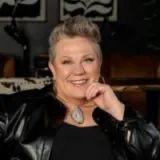
Karyl Morris works with client-facing leaders and teams on personal brand positioning, messaging, and visibility. Their work includes preparing professionals to make stronger connections before, during, and after conferences, and helping leaders represent their companies while building their own authority.
Karyl Morris works with client-facing leaders and teams on personal-brand positioning, messaging, and visibility.
Their central idea is that visibility should support real relationships—not just generate more posts or attention.
Their conference guidance treats presence as a sequence: shape what people find before an event, reinforce your positioning in the room, then follow up afterward.
Morris also writes about helping employees represent their companies without losing individual authority and creating small, intentional networking rooms through The Visibility Room.
Follow them for practical perspectives on professional visibility, client relationships, and how leaders can build trust while showing what makes them distinctive.
Karyl Morris connects personal visibility to moments when reputation and trust shape business relationships.
Their conference advice is especially concrete: people may look someone up before they meet, so the work begins beforehand and continues through the event and follow-up.
Morris's IFA workshop outline makes that sequence actionable, with ways to be visible without becoming performative or glued to a phone.
Morris also draws a useful line between consistent company representation and uniformity. In a post about the company brand through its people, they argue that client-facing leaders need support and strategy to represent a firm well while building their own authority—not a script that makes everyone sound alike.
Their work extends beyond advice into formats that put connection into practice.
The Visibility Room includes small-group gatherings designed for conversation rather than working a crowd, as described in Morris's post about the Detroit Women’s Collective, as well as client visibility projects and interviews.
These examples make their work relevant to professional-services leaders considering how personal positioning, in-person relationships, and digital presence can reinforce one another.
Karyl Morris treats visibility as something built before and around a room, not performed inside it.
Read more
The recurring priorities are preparation, consistency between a company and its people, small curated gatherings, and producing assets that help someone sustain a public presence. The rooms are narrowly defined by audience, not open to everyone.
Visibility begins when someone looks you up
Karyl Morris argues that the conference visibility gap is usually about timing, not effort.
Read more
Experienced professionals already know how to work a room; by the time they reach the reception, others have checked LinkedIn and recent posts and formed an impression of their level.
The practical sequence: shape what people see before arrival, reinforce how you think while there, and extend authority after the room clears.
The approach is explicitly not performative or phone-bound.
At a roundtable for FBN of SE Michigan, Karyl Morris framed conferences as an exposure of existing positioning, not a place where it is created: “Conferences don’t create your positioning.
They expose it.”
A second session promised preparation before the IFA conference, non-performative visibility during it, and follow-up to keep momentum.
Karyl Morris asks whether meeting five client-facing leaders from one firm would leave a clear impression of what the company stands for—or five unrelated impressions.
Read more
The answer is not to make people look, sound, or post alike.
Firms hired them for their individual strengths; the work is to give them strategy, tools, and support to represent the company while building their own authority.
In professional services, people are often a large part of what clients are buying.
The “five leaders” test turns corporate brand consistency into a question about meetings, relationships, networking events, and online conversations—not just the website, messaging, logo, and sales materials.
The Detroit Women’s Collective is invitation-only and capped at 15 women in high-impact advisory, consulting, professional services, franchising, and client-facing leadership roles.
The goal is not to work a room but to get to know the people in it: Morris makes introductions and leaves room for conversation.
The audience definition makes the room a positioning choice, not a general networking claim.
Guest feedback emphasized atmosphere over scale: one guest said it did not feel like a competition but like women coming together and having a good time; another described it as one of the few rooms where a guest could feel comfortable being themselves. One post also states that creative and production-based professionals were not the intended audience for that particular event.
Karyl Morris’s visibility work connects strategy to produced material.
Read more
Formats include done-with-you sessions, a studio, personal branding photoshoots, thought-leadership video, podcast production, and short clips from longer conversations. The priority is to give a client a base of assets to publish on LinkedIn and other platforms—not just advice about posting.
Karyl Morris describes Stephanie Ruby of FranCoach flying in for 1.5 days for the first phase of the Visibility System, with a personal branding photoshoot and thought-leadership videos intended to form the base of Ruby’s visibility on LinkedIn and other platforms. A separate post seeks an in-house media producer to handle filming, editing, podcast production, and publishing, showing that production capacity is part of the model.
The interview format makes room for operator-led arguments
Karyl Morris uses The Visibility Room: On Air & Off Script for longer conversations with operators, then promotes them with clips.
Read more
The format prioritizes guests’ experience over solo commentary, letting arguments about leadership, coaching, behavior change, sales culture, and sustainable performance come from someone running the work.
In one episode, Tati Botta, a franchise owner with Sandler Training, argues that most sales conversations focus on tactics when the bigger issue is accountability, and that taking ownership of decisions is one of the most important factors in long-term success. The post says the full conversation covers leadership, coaching, behavior change, sales culture, and sustainable performance.
What is Karyl Morris's core argument about conference visibility, and where should a newcomer start?
Read more
This post states the problem the rest of the work addresses.
Karyl Morris recounts hosting a small roundtable for FBN of SE Michigan the previous night.
The diagnosis: experienced franchise professionals already know how to work a room; the gap is timing, not effort.
By the time someone reaches the reception, others have scanned LinkedIn, checked recent posts, and formed a working assumption about the level that person operates at.
The line "Conferences don't create your positioning.
They expose it." turns a broad visibility pitch into a before, during, and after sequence.
For brands planning a campaign
Conference sponsors can use Karyl Morris for pre-event leader preparation, not just an on-site speaking slot. The diagnostic checklist asks what prospects see when they look up an executive before the event—and what should change.
How does Karyl Morris turn the conference argument into an actual session?
Read more
This post lays out the format, topics, and setting.
Karyl Morris describes an upcoming conversation in The Visibility Room for FBN of SE Michigan members attending the International Franchise Association conference.
It is not a panel, keynote, or sit-quietly event.
Instead, the small interactive group will cover how visibility works around conferences, how to show up before IFA so conversations start with familiarity, how to be visible during the event without being performative or glued to a phone, smarter post-conference follow-up, and using LinkedIn to support in-person networking.
The post also names the new expanded studio and credits Andre Mello and Amanda L.
House for helping put it together.
For brands planning a campaign
A brand can commission a similar pre-conference workshop or hire Karyl Morris to facilitate a session for client-facing leaders. The practical unit is a sequence with a take-home framework, measured by whether follow-up conversations happen, not attendance alone.
What problem does Karyl Morris solve for professional-services firms beyond individual executives?
Read more
This post connects personal visibility to corporate reputation.
Karyl Morris asks whether meeting five client-facing leaders from one company would leave a clear sense of who the company is, what it stands for, and the level at which it operates—or five very different impressions.
The post rejects making people look, sound, or post alike.
Firms hired these people for their individual strengths; the job is to give them the strategy, tools, and support to represent the company while building their own authority.
In professional services, people are often a large part of what clients are buying, yet corporate brand investment does not always reach those carrying that brand into meetings, relationships, networking events, and online conversations.
For brands planning a campaign
Frame executive visibility as brand-consistency work, not vanity personal PR. A firm could sponsor an assessment or workshop built around Karyl Morris's "five leaders" test and pair it with employee-advocacy guidance.
What does Karyl Morris's visibility work look like in practice for an individual client?
Read more
This post shows the production and positioning behind the work.
Karyl Morris describes Stephanie Ruby of FranCoach flying in from Florida for 1.5 days for the first phase of the Visibility System.
The work included a personal branding photoshoot and thought leadership videos intended to form the base of Ruby's visibility on LinkedIn and other platforms.
The post notes Ruby's franchise experience as a franchisor, franchisee, and now franchise consultant, then argues that many talented people stay hidden because they are busy doing the work instead of talking about it.
The client story also outlines the service: positioning, production, and a launch base for ongoing visibility.
For brands planning a campaign
A brand evaluating Karyl Morris can request a case-study-led proposal covering messaging, photo and video production, and launch support. For a franchise-client campaign, the before-and-after visibility story is more useful than a generic testimonial because it shows what was produced.
How does Karyl Morris structure a live event, and who is it for?
Read more
This post explains the invitation-only format and the experience.
Karyl Morris announces the next Detroit Women's Collective on October 15 at The Visibility Room, a small, invitation-only gathering for just 15 women.
The stated audience is women in high-impact advisory, consulting, professional services, and client-facing leadership roles, with work built around expertise, relationships, influence, and trust.
The goal is not to work a room but to get to know the people in it, with introductions made and room left for conversation.
Guest quotes capture the atmosphere: "It doesn't feel like a competition.
It just feels genuinely like women coming together, having a good time" and one of the few rooms where a guest felt comfortable being themselves.
For brands planning a campaign
Sponsorship fits only if a brand can support an invitation-only senior women's networking room without turning it into a pitch. A partner could help underwrite the setting, production, or a useful session, then measure qualified relationship follow-up rather than raw attendance.
What does Karyl Morris discuss beyond visibility tactics?
Read more
This post shows the interview format and the operator perspectives the show features.
Karyl Morris introduces a conversation with Tati Botta, a franchise owner with Sandler Training, on The Visibility Room: On Air & Off Script.
Botta argues that most sales conversations focus on tactics when the bigger issue is accountability, and that taking ownership of decisions is one of the most important factors in long-term success.
The full episode covers leadership, coaching, behavior change, sales culture, and sustainable performance; a short clip serves as the entry point.
The format is a curated expert interview, not solo commentary.
For brands planning a campaign
A sales-training or franchise brand could explore a podcast collaboration around accountability in sales culture, using a clip-led promotion and a full-episode discussion. Karyl Morris brings access to operators who can speak concretely about behavior and performance.
Visibility production: studio, photoshoots, video and podcast4
Franchise and conference ecosystems4
Curated small-room networking for women in advisory and professional services3
Conference visibility as a sequence, not an event2
Personal brand as part of the corporate brand2
Conference visibility as a sequence, not an event
Karyl's conference guidance starts before arrival.
Read more
One post argues that conference attendees have already checked LinkedIn and recent posts, so the event exposes positioning rather than creating it. Another describes a roundtable for FBN of SE Michigan that prepared leaders to show up before, during and after the IFA conference, with pre-event familiarity, non-performative on-site visibility and follow-up to sustain momentum.
Uses an interactive roundtable and practical framework rather than a keynote or panel, asking participants to adjust their approach before the next event.
For brands planning a campaign
Best fit for a conference-season campaign that publishes pre-event point-of-view content, captures on-site conversations and extends follow-up. Budget for the full sequence, not a single event post.
Karyl asks whether five client-facing leaders from one company would leave a consistent impression of what the firm stands for.
Read more
The point is not that employees should sound alike; professional-services firms invest in the corporate brand but often leave the people who carry it into meetings and online conversations without equivalent strategy, tools or support.
For brands planning a campaign
A fit for employer-brand or executive-visibility programs that combine firm-level messaging with individual authority. The work needs room for different voices, not a template that makes every leader post the same way.
Curated small-room networking for women in advisory and professional services
Karyl runs The Visibility Room's Detroit Women's Collective, an invitation-only gathering capped at 15 women.
Read more
Its stated audience is high-impact, client-facing women in advisory, consulting, professional services, franchising and leadership. Posts emphasize introductions and room to talk over working a room; guest language contrasts the gathering with competition.
One post explicitly says the experience is designed for strategy, client advisory and firm-growth leaders, not creative and production-based professionals.
For brands planning a campaign
A brand can evaluate a salon-style sponsorship or co-hosted peer room where curation, intimacy and follow-up matter more than attendance volume. Let the narrow audience definition shape the campaign plan and invitation list.
Visibility production: studio, photoshoots, video and podcast
Karyl's visibility work includes produced assets, not just advice.
Read more
Posts show a personal branding photoshoot and thought leadership video capture for a franchise consultant in an expanded studio; a podcast conversation with a franchise owner about accountability and sales culture; and hiring for an in-house media producer to handle filming, editing, podcast production and publishing. The formats connect strategy to assets clients can use on LinkedIn and other platforms.
Combines done-with-you sessions, studio production, interview-based episodes and short clips from longer conversations.
For brands planning a campaign
A fit for a production-led partnership: a studio day or interview series that yields photos, video, podcast clips and written posts. Confirm production capacity and how assets will be used after the session.
Karyl hosts conversations for FBN of SE Michigan around IFA, profiles a franchise consultant with franchisor, franchisee and consultant experience, and discusses sales and leadership with a franchise owner. The content uses franchise conference timing and franchise-role language rather than generic event advice.
For brands planning a campaign
A fit for franchise brands or suppliers that need conference visibility and executive positioning inside the franchise community. Use franchise-specific occasions and roles, not a general B2B networking angle.
Karyl Morris’s posts center on two businesses they describe as their own: The Visibility Room, a Detroit studio and event space for roundtables, the Detroit Women's Collective and client visibility sessions; and The Image Impact Group, the visibility and content production team behind that work.
Read more
They have also run conference-visibility sessions for FBN of SE Michigan. Ask whether those sessions were a client engagement or a looser collaboration.
The Visibility Room
Owned business
Morris calls The Visibility Room “our new, expanded studio” and hosts IFA-preparation roundtables, the invitation-only Detroit Women's Collective for women in advisory and professional services, and multi-day Visibility System sessions with individual clients there.
Posts written from inside The Image Impact Group describe its work with client-facing leaders on presence and positioning, and a search for an in-house media producer to support visibility and podcast production.
Morris hosted a small roundtable and a pre-conference visibility conversation for FBN of SE Michigan members ahead of the International Franchise Association conference.
Read more
Ask whether this was a paid client engagement, a sponsorship or an informal collaboration.
Start with Karyl Morris’s conference-visibility posts, which explain why positioning is exposed rather than created at an event, then move to the posts on professional-services branding.
Read more
Those two strands show the central argument: a firm’s people carry its brand into meetings, networking rooms, and LinkedIn, so they need strategy and usable material, not a script that makes everyone sound alike.
The Visibility Room posts show how they apply that thinking in curated small-group gatherings and produced interviews.
Read the posts about the Detroit Women’s Collective for the audience boundary and hosting style, and the studio or podcast posts for the formats used to turn conversations into publishable assets.
Conference visibilityPersonal brand positioningCurated peer networkingProfessional-services visibilityFranchise ecosystem marketingLinkedIn strategySmall-group roundtablesPodcast conversationsStudio and content productionProfessional-services leadersFranchise leaders and consultantsWomen in advisory and professional services
John W. Francis
Both work inside franchising and teach through conference and franchise-education formats.
Read more
John W.
Francis describes a Franchise Life Cycle keynote and co-writes about the Franchise Disclosure Document; Karyl Morris hosts franchise-conference visibility sessions and interviews franchise operators and consultants.
Both use specific operating moments, such as a stage in a franchisee’s life or the preparation before a conference, to explain what leaders should do differently.
John W.
Francis’s examples center on franchise stages, disclosure documents, and keynote teaching for franchise audiences.
Karyl Morris focuses on personal visibility, professional-services branding, and curated rooms, with more emphasis on produced LinkedIn and video assets.
Both address people navigating franchise decisions and teach with practical frameworks.
Read more
Careyann Golliver asks prospective franchisees to assess skills, capital, industry, time commitment, leadership style, and goals, and separates following the system from owning local execution. Karyl Morris similarly asks leaders to prepare before a conference, define the audience for a room, and connect strategy to the assets that support a public presence.
Careyann Golliver writes general guidance for prospective franchisees weighing business ownership. Karyl Morris writes for client-facing leaders and professional-services firms about visibility, positioning, and curated networking, with franchising as one recurring setting rather than the sole subject.
Both treat community and in-person rooms as practical parts of professional growth.
Read more
Kevandre Thompson describes conference sessions, mentoring, and local community events around the idea that community is the new currency; Karyl Morris makes curated gatherings and conference preparation the setting for relationship-building and visibility. Both use event recaps and speaking appearances to show how people connect across rooms.
Kevandre Thompson’s frame is HR, talent acquisition, mentoring, and civic community, with conference recaps as a large part of their posts. Karyl Morris’s frame is personal brand and visibility for professional-services and franchise leaders, and they connect those ideas to studio production, podcasts, and LinkedIn publishing.
For a B2B campaign seeking visibility, Karyl Morris’s content is aimed at client-facing leaders and teams in professional services, advisory and consulting, franchising, and Detroit-area women’s networks.
Read more
Selected examples include conference-visibility work for FBN of SE Michigan around the International Franchise Association conference, an invitation-only Detroit Women’s Collective for women in advisory and professional services, and a case example with a franchise consultant.
LinkedIn is the larger public audience, with Instagram roughly one-third its size.
Before buying reach based on seniority, job function, or employer type, ask for recent LinkedIn and Instagram audience demographics and post-level reach or engagement.
If professional composition is central to the campaign, also ask whether they have audience survey results or attendee-profile data from comparable events.
LinkedIn followers
7,187
Follower count shown on Karyl Morris's LinkedIn profile · 2026-10-08
Instagram followers
2,414
Follower count shown on Karyl Morris's Instagram profile · 2026-10-12
Morris offers visibility services rather than a published sponsorship package.
Read more
Their posts describe three buyer-facing formats: a facilitated conference-visibility workshop or roundtable, a curated event at The Visibility Room, and a done-with-you visibility production engagement covering personal-brand photography and thought-leadership video.
Ask directly about sponsorship pricing, audience guarantees, deliverable specifications, and the partnership inquiry route.
Use these formats to frame a scoping conversation, not as an off-the-shelf media buy.
Conference-visibility workshop or roundtable
Buyer requirement
Morris hosted a small roundtable for FBN of SE Michigan before the IFA conference and has run interactive sessions in The Visibility Room.
Buyers should provide a defined audience, an event-linked date, and a room or venue.
The session is discussion-led, not a keynote or panel.
Confirm the format, capacity, and preparation materials directly.
The Visibility Room event or curated gathering
Buyer requirement
The Detroit Women's Collective is a 15-person, invitation-only gathering for women in advisory, consulting, professional services, and client-facing leadership.
Partners should align with that audience and the invitation process, then confirm whether the room is available for a private event or whether they can support an existing gathering.
Ask about sponsor benefits and guest-data access.
Visibility production engagement
Buyer requirement
Morris's team ran a 1.5-day first phase for one client, including a personal-branding photoshoot and thought-leadership videos intended for LinkedIn and other platforms.
Buyers need a named participant, access to a studio or suitable location, and a plan for using the assets after delivery.
Ask about package tiers, usage rights, and turnaround times.
Strong fit, provided the firm wants a guided program rather than a set of identical posts.
Read more
Brief
A regional professional-services firm wants its client-facing leaders to become more visible and consistently positioned before, during, and after a major industry conference. The firm has six to eight leaders who speak at client events, serve on panels, or attend franchise and advisory conferences.
What to confirm
Ask for recent audience demographics and engagement data, since the available numbers are follower counts rather than proof of professional composition. Confirm whether Karyl Morris's team can support multi-leader production, on-site capture, usage rights, turnaround times, and a defined workshop format.
Why
Karyl Morris's clearest argument is that conference visibility starts before arrival: prospects look people up, scan recent posts, and form an assumption about the level they operate at. The practical unit is a sequence, not a single event post. That matches a brief where leaders need preparation, a consistent firm story, and follow-up material. They also address the company-level problem directly: five client-facing leaders from one firm should leave a coherent impression of what the firm stands for, but the answer is not to make them sound alike. The reviewed work includes a small interactive roundtable for FBN of SE Michigan around the International Franchise Association conference, a personal-branding photoshoot and thought-leadership video engagement, and an interview-format show. Those pieces support a campaign that combines strategy, live conversation, and produced assets.
When to choose a specialist
Poor fit for that brief as written.
Read more
Brief
A consumer packaged-goods brand wants a high-volume creator sponsorship: guaranteed impressions, detailed demographic targeting, several posts within two weeks, and a fixed media rate.
What to confirm
If the brand can shift to a smaller, curated professional audience and a longer relationship-led format, ask for audience demographics, post-level reach, event attendee profiles, and any sponsorship terms. Otherwise, this brief should go to creators with verified consumer reach and published sponsorship packages.
Why
Karyl Morris's posts show curated, relationship-led work in professional services, franchising, and advisory settings, not an off-the-shelf consumer media buy. Their events are capped at 15 people and described around introductions and conversation quality, not reach volume. The published audience numbers are follower counts: LinkedIn at 7,187 and Instagram at 2,414 when observed. A buyer requiring guaranteed reach and rapid multi-post distribution would be asking for terms the posts do not support.
A worked campaign example
Angle
Run a four-week pre-conference visibility sprint, then extend it through the event and follow-up. Position the work as making the firm's existing expertise easier to see, not turning every leader into a broadcaster.
Brief
Use the professional-services conference brief above. The firm wants its leaders to be recognizable and credible before an upcoming franchise or advisory conference, and it wants useful content during and after the event.
Measurement
Track whether each leader's profile and recent posts clearly signal their expertise before the event; whether the planned pre-event posts actually publish; whether leaders report more familiar conversations at the event; and whether follow-up meetings or introductions continue afterward. Use those measures alongside reach data, not as a substitute for it.
Open questions
Confirm the number of leaders, the conference date, who attends, whether the firm can supply a room for the roundtable, and whether Karyl Morris's team can handle multi-leader production. Ask for package scope, pricing, usage rights, and any results from comparable programs.
Sequence
Week 1: Run a look-up audit with each leader. Capture what a prospect sees when searching the leader's name and LinkedIn profile, compare that with the firm's positioning, and identify the gaps in Karyl Morris's conference-visibility argument.
Week 1 or 2: Host a small interactive roundtable for the leaders using the before, during, and after conference framework. Keep it discussion-led rather than a keynote. Ask each leader to leave with a specific pre-event publishing plan and a follow-up plan.
Week 2: Build a message map for the group. Agree on the firm-level themes and proof points, then define each leader's own area of authority. The point is consistency without identical wording, following Karyl Morris's argument that clients are buying the people as well as the firm.
Week 3: Run a studio production day for portraits and short thought-leadership videos. Use the assets as the base for LinkedIn posts before the conference. Confirm production capacity, usage rights, and edit turnaround before committing.
Conference week: Publish a small number of leader-specific posts tied to sessions, questions, or conversations. If production support is available, capture short interviews or recaps for later use.
Two weeks after: Publish follow-up clips and written notes, and give each leader a short relationship follow-up plan tied to people they met. Measure conversations continued, not just impressions.
Why it fits
The sequence draws on the strongest evidence in the reviewed work: conference visibility as a before-during-after system, a small working session rather than a stage presentation, company brand carried by individual leaders, and produced assets that give a visibility plan something concrete to publish.
For the same professional-services conference visibility brief, choose John W.
Read more
Francis when the campaign should center on franchise education for operators or prospective franchisees, or when the firm needs a conference keynote plus a published article to anchor the topic.
The reviewed work shows a Franchise Life Cycle keynote delivered to franchise leaders and a co-authored EIX article on the Franchise Disclosure Document that the post says drew more than 25,000 readers.
That is a better match when the buyer wants a recognizable franchise subject-matter speaker and a durable written asset.
The tradeoff is scope.
Karyl Morris's posts show keynote delivery and franchise writing, not a multi-leader visibility system, small curated workshops, portrait or video production, or before-during-after conference planning.
A firm that needs six to eight leaders to align their personal brands and publish consistently would still need another provider for that work.
With only two posts available, ask for audience composition, sponsorship availability, and evidence of a repeatable workshop format.
For a campaign aimed at educating and qualifying franchise candidates, choose Careyann Golliver when the buyer needs straightforward franchise-investor education: what to consider before buying a franchise, what the franchisee mindset requires, and how to judge fit.
Read more
The posts are structured explainers for prospective franchisees, covering skills, capital, industry, time commitment, leadership style, and goals. That suits a campaign whose job is to inform and qualify franchise candidates through LinkedIn posts.
The tradeoff is that the reviewed work does not show a conference-visibility sequence, executive personal-brand positioning, produced portraits or video, curated live events, or a multi-leader program.
It is educational content for franchise candidates, not a full visibility system for a professional-services firm's client-facing leaders.
With only two posts reviewed, ask for audience demographics, engagement, sponsorship terms, and campaign outcomes.
For a campaign aimed at engaging HR, talent acquisition, or Detroit professional audiences, choose Kevandre Thompson when the buyer wants a conference speaker and community-building voice.
Read more
The posts show a SHRM Indiana session titled “Community is the New Currency,” delivered to more than 99 HR professionals, plus community activity including TEDxPontiac, mentoring, and local events. That is a better fit when the campaign needs an HR-facing speaker, a community theme, and local relationship credibility.
The tradeoff is that Karyl Morris's posts are event recaps and speaking material, not a structured before-during-after visibility program for a firm's leaders.
They do not show personal-brand production, multi-leader message alignment, small curated workshops, or campaign measurement.
A buyer wanting a repeatable system for several client-facing leaders would need to add that capability.
With only two posts available, ask for audience composition, commercial availability, and outcomes.
Karyl Morris's ten LinkedIn posts cover conference visibility, professional-services branding, curated events, studio production, a podcast conversation and hiring.
Individual publication dates for the posts were not available.
Follower counts were shown on LinkedIn on 8 October 2026 and Instagram on 12 October 2026.
No demographic, engagement, sponsorship-rate or campaign-outcome data is published here.